

Calls for small-scale fisheries inclusion in COP28 fund
With COP28 underway in Dubai, international research and innovation organisation WorldFish is strongly advocating for the inclusion of small-scale fishers in the Loss and Damage Fund, initiated at COP27 and due for operationalisation at this year’s COP.
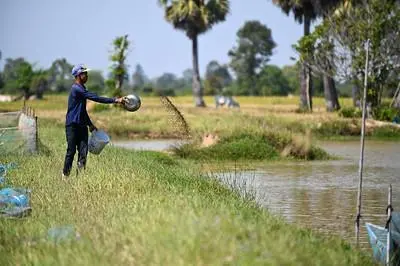
”Over 58.5 million people are employed in small-scale fisheries, these fisheries are global lifelines,” WorldFish Director General Dr Essam Mohammed said.
The organisation highlighted that small-scale fisheries, both marine and freshwater, face significant threats from climate change. Rising temperatures, ocean acidification, and extreme weather events disrupt ecosystems, affecting fish populations and habitats in rivers, lakes, and oceans. These changes can result in reduced catches, or loss of traditional fishing grounds, impacting the livelihoods, nutrition and food security of millions dependant on this sector.
WorldFish is therefore calling for the “swift operationalisation” of the Loss and Damage Fund, stressing the need for straightforward access and rapid disbursement of grants, especially for marginalised communities like small-scale fishers.
Emphasising lessons from the Green Climate Fund’s challenges, WorldFish suggests a more inclusive, responsive approach to funding, ensuring broad accessibility beyond governmental reach, involving grassroots organisations and local communities.
“Incorporating small-scale fisheries in the Loss and Damage Fund is essential for justice and equity. COP28 is our chance for transformative action to protect millions of lives, livelihoods and lay the groundwork for shared prosperity,” Mohammed said.
WorldFish’s other key recommendations for COP28 include:
- Investment in Sustainable Aquatic Food Systems to maximise their potential as a climate solution
- Increase South-South collaborative efforts to accelerate adaptation of proven innovations and technologies that sustainably manage fisheries and can climate-proof production
- Improve nutrition access and resilience by cultivating nutrient-rich fish to provide essential nutrients to low-income communities and to adapt small-scale fisheries to climate change, ensuring food security and sustaining livelihoods in vulnerable regions