





Asian fisheries at high-risk of climate crisis, warn scientists
Climate change is devastating marine life, particularly threatening Asian countries, a global consortium of marine biologists has warned.
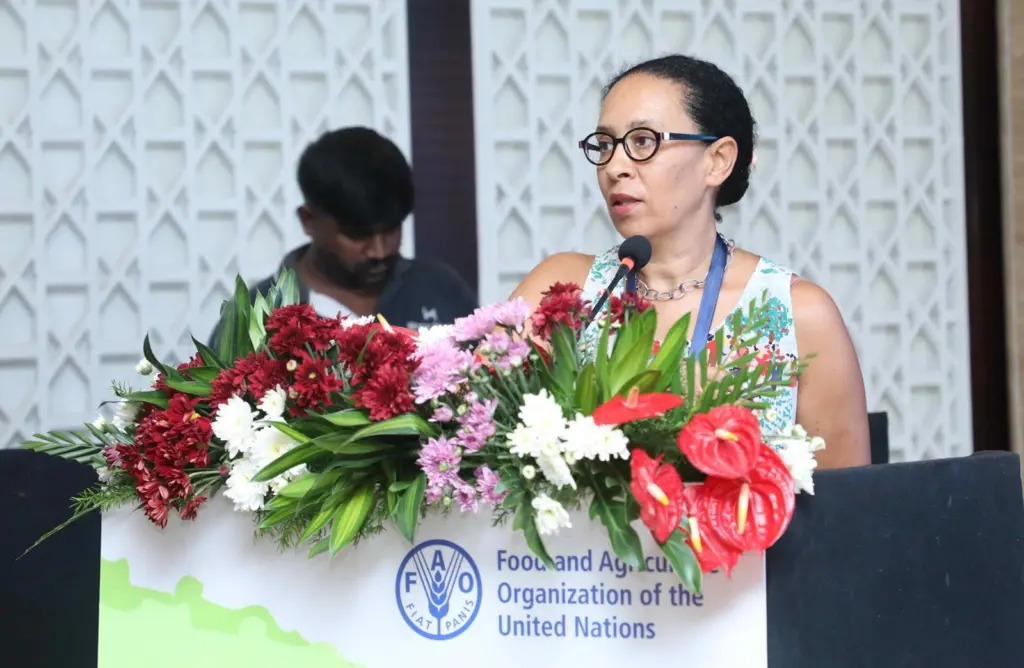
A special workshop attended by fishery experts from regional fisheries bodies (RFBs) in the Indo-Pacific region heard that by 2100, the highest proportion of fish species – 86% – within the exclusive economic zone (EEZ) of the Asian nations is likely to be at high or critical climate risk, compared to 77% in North America, 73% in Oceania and 71% in Africa.
By this date, the greatest proportion of high or critical risk species is likely to be in the Indian high seas with 56%, followed by 42% in the North Pacific oceans, they were told.
The workshop was part of a three-day international conclave on mainstreaming climate change into international fisheries governance in Mahabalipuram. The meeting was organised by the Food and Agriculture Organisation of the United Nations (FAO), in collaboration with the Department of Fisheries, Government of India, and the Bay of Bengal Programme Inter-Governmental Organisation (BOBP-IGO).
Presenting at the workshop, Tarub Bahri, a climate expert and fishery resources officer at the Fisheries and Aquaculture Division of the FAO, said the warming of ocean has had an adverse impact on productivity and that on average, the maximum catch potential is projected to decrease by up to 12% by 2050, but with large geographical variations.
“Projections based on climate scenarios indicate that the global biomass of marine animals is likely to decrease by up to 21%. Tropical regions are expected to experience a greater decrease compared to the global average,” she said.
Also at the meeting, experts representing various RFBs in the Indo-Pacific region presented the current state of the climate change knowledge base, highlighting good practices, gaps and challenges.
Dr Dan Crear, representing Inter-American Tropical Tuna Commission (IATTC), suggested that preparing for climate change requires building species distribution models, processing large environmental databases, understanding the relationship between environmental variables and species and conducting participatory approaches with all stakeholders in the sector.
“As ocean conditions change, so will species distributions,” he said.
Dr Isara Chanrachkij of the Southeast Asian Fisheries Development Centre proposed developing stock assessment and forecast models as tools towards biodiversity conservation and to mitigate impacts of climate change to fisheries.
Enhanced ecosystem services provided by seaweed farming and integrated multi-trophic aquaculture system are crucial to reduce climate risks, he added.
Related Articles
 FISHERIES
 AQUACULTURE
 SEAFOOD