




Professor George Turner of Bangor University’s School of Biological Sciences is leading a team of researchers aiming to find remaining pure wild stocks of tilapia in Tanzania.
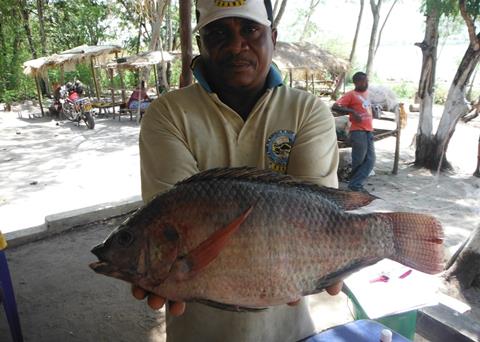
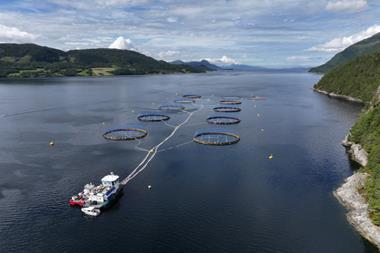
Tilapia farming is a $7.6bn industry, producing 4.5m tonnes every year. Tilapia farming is sustainable, because unlike other farmed species such as salmon and sea bass, tilapia largely eat vegetable material and farmyard waste, not other fish.
Globally only a few species and strains are cultured, but hundreds of unique wild populations, especially in Tanzania and Kenya, are likely to harbour priceless genetic diversity, with desirable traits such as fast growth, tolerance of extreme environments, peaceful temperaments or disease resistance. Unfortunately, in recent years, standard ‘pond culture’ tilapia stocks have been released into the wild all over Africa, where they compete with native strains, hybridise with them, or may bring exotic diseases.
The team will also carry out large-scale full-genome sequencing to investigate the fate of native and exotic genes in places where they are hybridising. The work will be funded by a £250k grant from the Biotechnology & Biological Sciences research Council and Natural Environment Research Council and involve researchers from the University of Bristol, the Genome Analysis Centre (TGAC) in Norwich, the World Fish Centre in Malaysia and the Tanzanian Fisheries Research Institute. The research will be for two years.