



Aquaculture researchers in Scotland are trying to determine the cause of shell breakage in different species of mussels, one of the biggest challenges facing the sector.
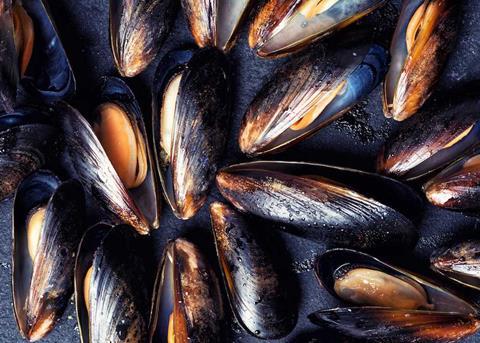
The consortium – which comprises the University of Stirling’s Institute of Aquaculture, Fassfern Mussels, the Scottish Shellfish Marketing Group, The Fishmongers’ Company, the Association of Scottish Shellfish Growers, and the Sustainable Aquaculture Innovation Centre (SAIC) – will trial different conditions among varying species at two Scottish sites to find out whether shell strength is related to genetics, environmental conditions or the harvesting process itself.
In Scotland, shell breakage is estimated to cost the sector around 2% of its average annual output. In extreme cases, it can prevent farmers from harvesting or cause sites to shut down completely.
“The mussel sector is a growing part of Scotland’s aquaculture landscape, providing sustainable jobs in rural and remote communities,” said Heather Jones, chief executive at SAIC.
“Shell breakage is among the biggest challenges to its growth and tools that can better inform how the sector grows mussels, selects sites and undertakes harvesting will be invaluable in supporting development.
Depending on the results of the initial phase of the study, the project could develop a molecular tool that will assess juvenile mussels for shell strength, a location screening system for mussel farms, or a new process for harvesting.