



Human activities and climate change are threatening the productivity of European seas as well as our wellbeing, according to the new European Environment Agency (EEA) report.
In line with the development of the European Union’s Blue Growth objectives, which aspire to greater and sustainable use of the seas’ potential, the EEA’s new ‘State of Europe’s seas’ report looks at whether the EU is meeting its policy goals for the quality of the marine environment.
According to the report, Europe’s seas don’t meet the Marine Strategy Framework Directive, adopted in 2008, which aims to ensure coherence between such EU policies and sets three goals for Europe’s seas: to be ‘productive’, ‘healthy’, and ‘clean’. EEA says although Europe’s seas can be considered productive, they cannot be considered healthy or clean.
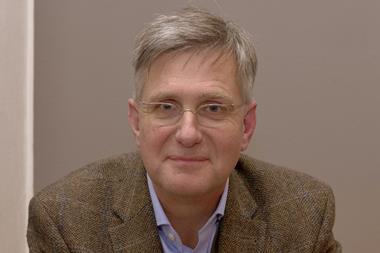
“We need to respect the ecological boundaries of Europe’s seas if we want to continue enjoying the benefits we receive. This requires aligning our policy ambitions for economic growth with our policy targets of securing healthy, clean and productive seas. Ultimately, this will entail making fundamental changes in the way we meet our societal needs’, said Hans Bruyninckx, executive director, EEA.
The report also looks into describing what ecosystem-based management could mean in the marine context and how to improve our knowledge, as well as considering future challenges in relation to the long-term sustainability of Europe’s seas.
“Seas are part of our European natural capital and their protection and exploitation require a European approach. In many cases, it also requires a global approach. Our report contributes to the knowledge base needed for relevant policy discussions, currently ongoing at European and global levels,” added Mr Bruyninckx.
The report adds that a very limited number of assessments of marine habitats and species indicate favourable conservation status. Current pressures include, among others, physical damage to the seafloor (due to bottom-trawling in particular), introduction of non-indigenous species, nutrient input (mainly from agricultural fertilisers), hazardous substance pollution and marine litter. Climate change induced temperature increases and potential ocean acidification can further weaken the ecological resilience of Europe’s Seas.
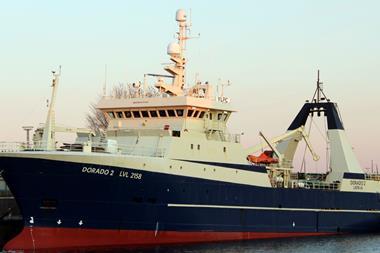
EEA says a large part of the pressures arises from activities at sea, such as the extraction and production of living resources (fish, shellfish, etc.), transport and energy production, or pollution such as marine litter. Land-based activities — such as the use of agricultural fertilisers and industrial chemicals, and wastewater — also add to the pressures.
Read the full report online.