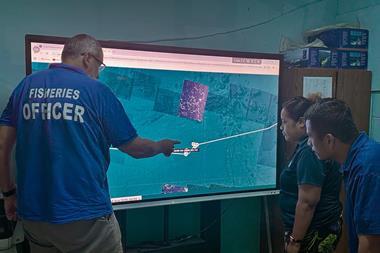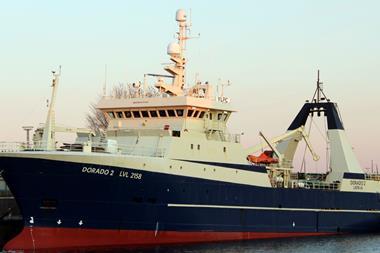




More than 20 Tuna King boats in Sri Lanka have achieved certification in the Responsible Fishing Scheme (RFS). All of the certified boats are longliners catching tuna and mid-water species out of the port of Beruwala.
Tuna King, which supplies tuna to UK supermarket chain Morrisons and other retailers, has been working in partnership with UK seafood authority Seafish and the retailer to achieve the first certification of boats in the RFS scheme that catch tuna.
On Tuna King’s boats, when fish are hauled, they are processed and stored by using an exclusive on board processing and control system that reduces waste. When the fish arrives at the Tuna King factory in the UK, the fish is repacked and sent to retailers, meaning the catching and supply chain is unbroken.
Tuna King’s owner James Weerawardena said: “I chose to support the RFS because I believe it is one of the most important and credible sustainability schemes available for fishermen. The criteria and practices for certification are straightforward and our fishermen were able to adopt the rules of the scheme without any problems.
“I had great support and encouragement from Matthew Bailey, the Morrisons fish buyer. This commitment to us and our sustainability programme made it possible for Tuna King to become the first RFS-certified tuna producer.
“One of the most valuable features of the RFS is that it is relevant to all species, not just tuna. I urge other business to support the scheme in order for the whole industry to improve and develop artisan fisheries, such as those in Sri Lanka.”
Created by Seafish and the seafood industry in 2006, RFS promotes good operational and environmental practices.
Based on a publicly available specification from the British Standards Institution (BSi), the scheme is an independent, audited assessment of the application of good practice by a vessel skipper and crew in their fishing operations.
There are over 600 UK registered vessels actively involved with the scheme, with 418 now fully certified. This figure represents 50% of the seafood landed by the British fishing fleet by weight of catch.
The Dutch, Belgian and Danish fleets have also all expressed interest in developing a similar scheme.