




Sri Lanka is seeking to promote fisheries as a new export sector, giving incentives and better facilities for local and foreign investors, in an effort to better exploit the county''s ocean resources.
The government aims to expand the presently negligible share of fisheries in the gross domestic product of the island and increase export earnings.
Accordingly, the Government's Board of Investment (BOI) offers tax holidays and facilities for duty free imports of machinery to attract investments into the sector, as well as exemptions from exchange controls.
The BOI's Deputy Director General (Investment) A. M. C. Kulasekera says many benefits offered by the BOI remain unutilised and that there is inadequate awareness among investors of the incentives offered.
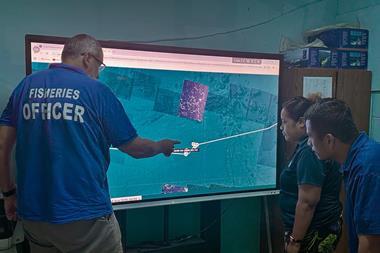
The sector is regulated by the Ministry of Fisheries and Aquatic Resources which issues fishing licenses and monitors the catch.
The BOI has lowered the minimum investment required to be eligible for incentives to $150,000, from $250,000 previously, and investors are eligible for incentives if they export 80 per cent of the catch.
These include a five year tax holiday to start with after which a concessionary tax rate of 15 per cent applies for the entire life of the project.
Imports of project-related items such as fishing gear, engines and even boats are exempt from duty.
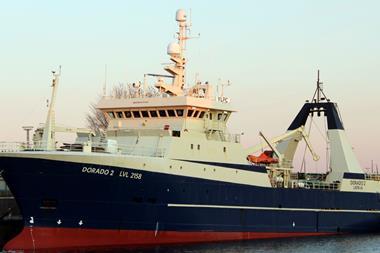
Fisheries Ministry officials say they want to attract long-term foreign direct investment in export-oriented enterprises such as deep sea fishing, fish processing and shrimp farming.
Several joint ventures and firms with full foreign ownership have already been set up and others are in the pipeline.
The fisheries sector has emerged as an important source of foreign exchange through the export of several high value fish products such as chilled and frozen tuna, as well as shrimp, lobster and shark fins.
Apart from the BOI, the Federation of Chambers of Commerce of Sri Lanka is also trying to attract investments in this sector.