



Skretting investigates low oxygen levels
The UK branch of Skretting, a leading supplier of feed for farmed fish and shrimp, is carrying out trials to identify the effects of low levels of dissolved oxygen in seawater at its Aquaculture Research Centre (ARC).
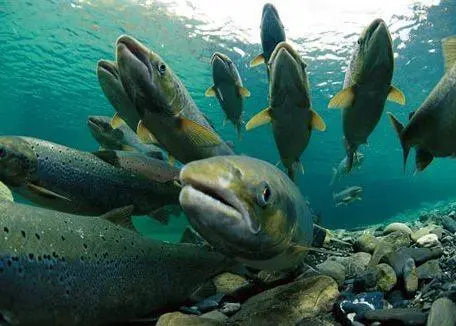
The main aim of the trials is to minimise the impact of low oxygen conditions on growth performance by adjusting feeding intensity and the energy levels in the diet.
Skretting’s Lerang Fish Trials Station is equipped with lighting and temperature control so uneaten feed can be measured. The seawater is pumped from the fjord but the temperature if adjusted before it enters the tank.
Guido Riesen, ARC Researcher said: “We believe the current phase of climate change will increase the frequency of low oxygen conditions, especially in the semi-enclosed coastal areas often used for aquaculture. It is well known that fish in low oxygen environments lose appetite, which leads to lower growth and impacts profitability.”
Vibeke Vikeså, another ARC Researcher, investigated the effects of low and variable oxygen levels on large Atlantic salmon, grown from 1.3 kg to 3.6 kg. She added: “I found a reduction in specific growth rate of 12% and a 10% reduction feed intake. The FCR increased by 5% and both protein and fat retention were reduced. The physiological balance was also affected, for example with detectable signs of an increased ability to take up oxygen.”
In the next stage of the project, the researchers will look at how nutrients are utilised by Atlantic salmon under the combined effects of high temperature and low oxygen conditions.
Related Articles
 FISHERIES
 FISHERIES
 WORLD FISHING EVENTS