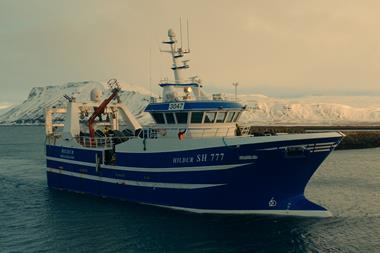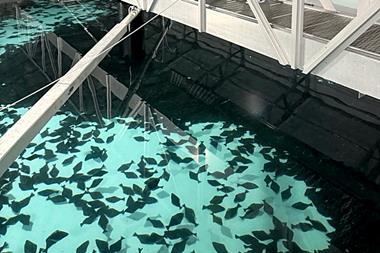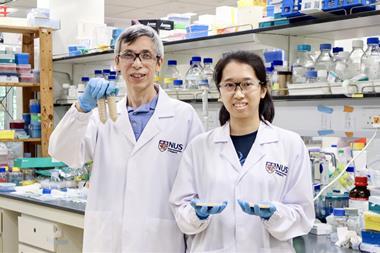





Freezing fish too soon after catch can damage seafood quality, that’s according to new research from Norwegian institute Nofima.
The study investigated how the timing of freezing affects seafood processing, including yield, fish refrigeration and long-term quality.
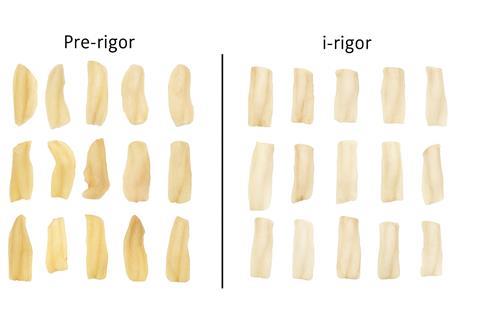
Haddock frozen pre-rigor – before rigor mortis set in – consistently developed a yellow discolouration after 20 weeks in frozen storage, making it unappealing for consumers.
“Yellowing caused by ‘rigor energy’ has not been described in scientific literature. It is likely the industry has not been fully aware of how significant this can be,” said Nofima researcher, Svein Kristian Stormo.
All in the timing
The study showed that by contrast, haddock frozen post-rigor showed no signs of yellowing.
Researchers also discovered that freezing fish too fresh increased drip loss, meaning greater liquid release when thawed – a financial and quality risk for the seafood industry.
The effect was especially persistent in cod, lasting up to a year in frozen storage.
This project, funded by the Norwegian Seafood Research Fund (FHF), highlights the importance of careful fish processing and seafood refrigeration. With industry trends such as smaller hauls, better handling and cod farming making pre-rigor freezing more common, the findings are timely.
Mr Stormo stressed that striking the right balance is crucial: Freezing too soon risks discolouration and liquid loss, but waiting too long may reduce freshness.
The research team recommends further controlled trials to determine the exact optimal freezing point for seafood processing.