




UN: Global food systems ‘broken’
In a world of plenty, it is outrageous that people continue to suffer and die from hunger, United Nations Secretary-General António Guterres told the UN Food Systems Summit +2 Stocktaking Moment (UNFSS+2), held in Rome.
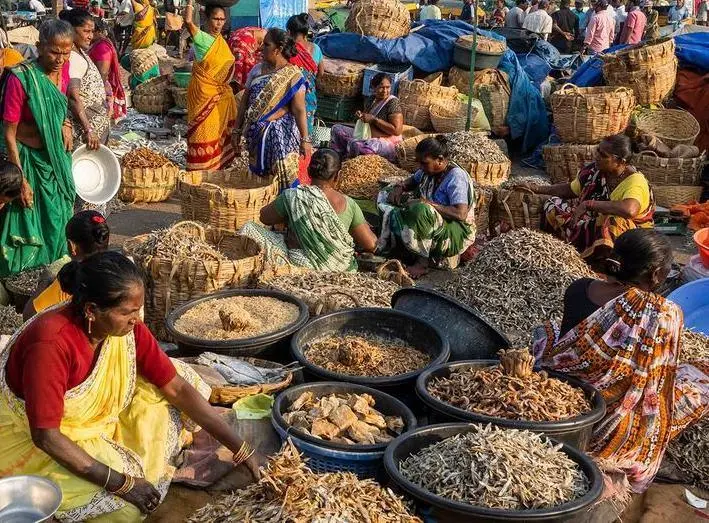
In his address, Guterres told the summit, held at the headquarters of the Food and Agriculture Organization of the United Nations (FAO) on 24-26 July 2023, there’s a pressing need to address global hunger, promote cooperation between businesses and governments, and mitigate the damaging impact of continuing climate change on food production.
“Global food systems are broken – and billions of people are paying the price,” he said.
According to UN estimates, over 780 million people experience hunger, almost one-third of all food produced globally is lost or wasted and nearly three billion people cannot afford healthy diets. Developing countries face additional challenges, as limited resources and debt burdens prevent them from investing fully in food systems which can produce to nutritious food across the social spectrum.
Unsustainable food production, packaging and consumption are also contributing to the climate crisis, accounting for a third of all greenhouse gas (GHG) emissions, 70% of the world’s freshwater usage and driving biodiversity loss.
The recent termination of the Black Sea Initiative by Russia has further exacerbated the situation, Guterres said.
It enabled the export of millions of tonnes of food from Ukrainian ports, and together with the UN’s parallel accord with Russia on export of food and fertiliser, had been vital for global food security and price stability.
“With the termination of the Black Sea Initiative, the most vulnerable will pay the highest price,” he said, emphasising that both Russia and Ukraine are crucial to global food security, and urging Moscow to reverse course.
The UN chief said he remains committed to enabling unimpeded access to global markets for food and fertilizers from both countries, “and to deliver the food security that every person deserves.”
In his address, he cited three key areas for action, starting with “massive” investment in sustainable food systems.
“Starving food systems of investment means, quite literally, starving people,” he said, calling on governments to respond to UN’s call for an SDG Stimulus, amounting to at least $500 billion annually to support long-term financing for all countries in need.
Second, Guterres called on governments and businesses to collaborate and “put people over profit” in building food systems. This involves exploring new ways to increase the availability of fresh, healthy food for all individuals, keeping food markets open, and removing trade barriers and export restrictions, he said.
With food systems playing a key role in reducing carbon emissions and limiting global warming to 1.5 degrees Celsius, the Secretary-General called for food systems that reduce the carbon footprint of food processing, packaging, and transportation.
Harnessing new technologies to reduce the unsustainable use of land, water, and other resources in food production and agriculture is vital, he said, urging “stronger and faster action” to tackle the climate crisis and commit to reaching net-zero emissions by 2040 for developed countries and 2050 for emerging economies.
Also speaking at the summit’s opening, FAO Director-General Qu Dongyu highlighted the importance of assessing progress in agrifood systems transformation towards reaching the 17 SDGs, agreed by all the world’s nations in 2015.
He noted the progress in identifying solutions agrifood systems can provide for better production, better nutrition, a better environment and a better life, including more sustainable farming, efficient water management, responsible packaging, reforestation and reduced food waste.
Qu added that these depended on transforming global agrifood systems to be more efficient, inclusive, resilient, and sustainable.
“In the face of increasing uncertainties and multiple crises, we need to urgently undertake this transformation to fulfil the high expectations we have from our agrifood systems,” he said.
UNFSS+2 convened over 2,000 participants from over 160 countries to review progress on the commitments made at the first Food Systems Summit in 2021 and to identify successes as well as continuing bottlenecks while refocusing priorities.
The programme included a series of high-level events, dialogues and side events related to transforming agrifood systems on topics such as food waste, climate change, healthy diets, partnerships, science and technology, indigenous people’s knowledge and transportation.
Related Articles
 AQUACULTURE
 SEAFOOD
 SEAFOOD