



Tsar Nicoulai Caviar acquires Sterling Caviar
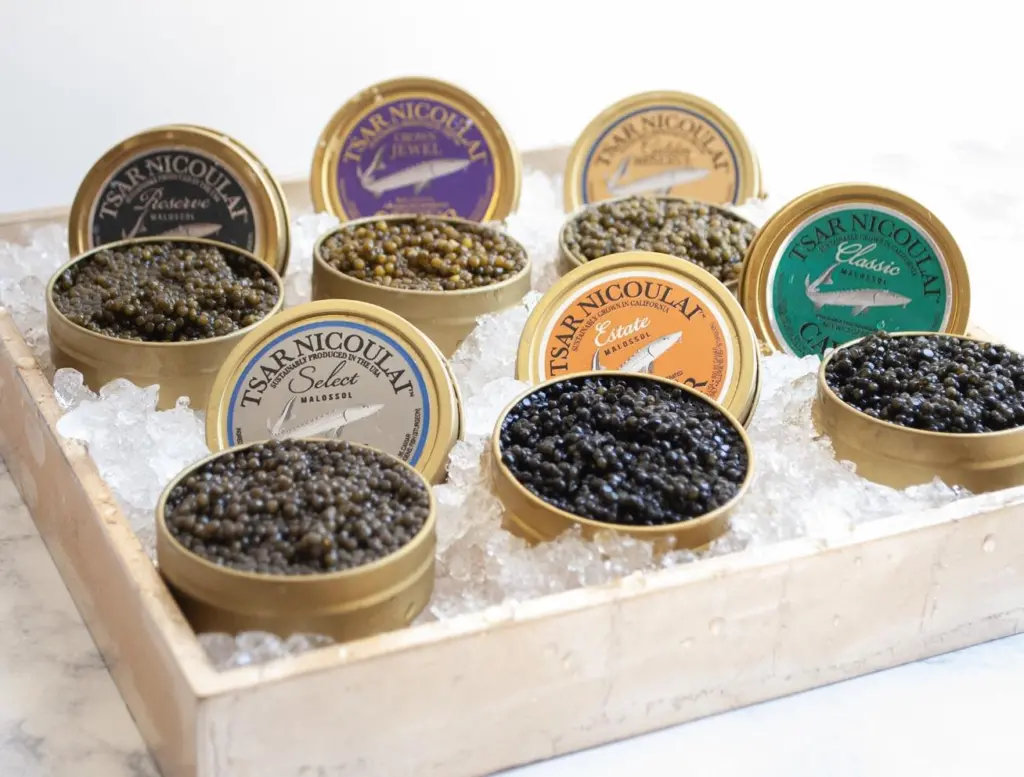
Wilton, California-based white sturgeon farm Tsar Nicoulai Caviar has bought Sterling Caviar, the oldest caviar farm in America, with the strategic merger positioning Tsar Nicoulai’s combined farms as the largest purveyors of sustainable caviar in the country.
Founded in 1983 by Norwegian entrepreneur Jacob Stolt-Nielsen, Sterling Caviar utilises water recirculating technology and sustainable farming practices. Despite its rich history and contributions to the industry, Sterling has faced various financial difficulties, entering receivership earlier this year due to a US$23 million debt. The acquisition by Tsar Nicoulai Caviar marks a new chapter for Sterling, allowing it to leverage Tsar Nicoulai’s expertise and resources to revitalize its operations.
Founded in 1984 in San Francisco by Mats and Daphne Engstrom, Tsar Nicoulai Caviar was taken over in 2014 by the Bolourchi family, which has helped the company to become more energy and water efficient. In addition to adding solar panels to the farm, they have also built their own oxygen system for their sturgeon tanks, and they are the first sturgeon farm to ever use aquaponics to grow organic butter lettuce and other produce using their sturgeon waste-water.
With the acquisition of Sterling, the combined entity will focus on producing high-quality indigenous white sturgeon caviar, with a commitment to transparency and traceability from farm to table. The goal is to be the first caviar farm to achieve Aquaculture Stewardship Council (ASC) certification.
“This strategic acquisition of Sterling will not only allow us to compete on a scale with the larger caviar producers in Asia and Europe, but also gives us the opportunity to showcase our unwavering commitment to sustainability and innovation on a global scale,” Tsar Nicoulai Caviar President Ali Bolourchi said. “Since the 80s these farms have been recognised for their leadership in ethical aquaculture, and now more than ever we remain dedicated to maintaining the delicate balance between the artistry of traditional caviar production and the science of sustainable practices.”
Related Articles
 AQUACULTURE
 SEAFOOD
 SEAFOOD