




A new study shows that seafood mislabelling continues to plague the restaurant industry in Brussels, raising fresh concerns over seafood traceability and illegal fishing.
This new report, published a decade after Oceana’s first investigation, the organisation’s new DNA study shows a 77% mislabelling rate across 30 fish dishes served in Brussels restaurants, including canteens at the European Parliament and European Commission.
“Ten years after our first investigation, consumers in Brussels are still in the dark about some of the fish they eat in restaurants. Currently, under EU legislation, restaurants, hotels and mass caterers are not required to provide basic seafood information, such as species, origin or catch method,” said Marine Cusa, policy advisor at Oceana in Europe.
”We demand the EU to strengthen the current legislation to ensure that all seafood, including the one served in restaurants, has basic information available. This lack of transparency undermines consumer choice and can possibly enable some products associated with illegal fishing or human rights abuse to enter the EU market.”
Misrepresentation
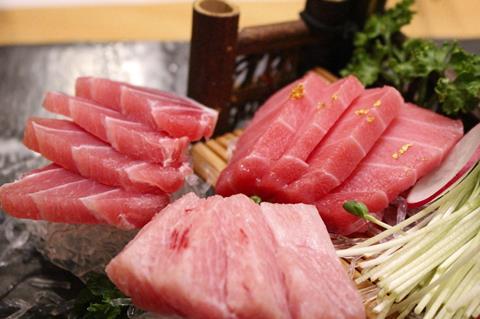
The research finds that tuna remains the most misrepresented product, with 88% of samples incorrectly labelled or misdescribed. Bluefin tuna is routinely substituted with cheaper species such as yellowfin, bigeye, Atlantic salmon and even swordfish, despite menu prices suggesting premium quality.
Even where restaurants and EU institution canteens voluntarily provided species names, mislabelling persisted. Two of six labelled samples still proved incorrect.
The problem also extended beyond fish. Oceana’s testing of 34 squid dishes found similarly opaque practices, with 55% of samples revealed to be jumbo flying squid, a species frequently associated with illegal fishing, yet universally sold under the generic “squid” or “calamar”.
Oceana argues that current EU rules on seafood consumer information, which only apply to fresh and frozen products sold at retail, leave major loopholes.
The organisation is urging the EU to extend mandatory seafood traceability and labelling requirements to restaurants, hotels and mass caterers to stem widespread seafood mislabelling and protect consumers.
It said that without information on species and their origins, consumers cannot make informed choices and are at risk of buying a product they might otherwise reject.