




Ireland’s seafood economy grew to €1.24 billion in GDP terms in 2024, up 4% from 2023, driven by a 9% rise in exports, an 11% increase in landings to Irish ports and stronger domestic sales.
These figures were published today in the ’Bord Iascaigh Mhara (BIM) Business of Seafood’ report, launched by Minister of State for Fisheries and the Marine, Timmy Dooley TD.
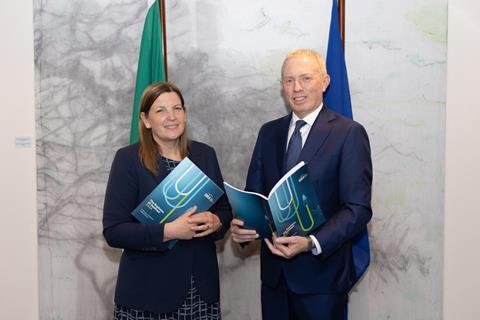
“Ireland’s seafood industry provides employment for almost 17,000 people,” said Dooley. “It is a key economic driver in our coastal communities. Investments made under the Brexit Adjustment Reserve and the Seafood Development Programme 2021–2027 are laying strong foundations for the sector.”
France, the UK and Italy were Ireland’s top seafood export markets, with France leading at €141 million, primarily for organic salmon, oysters and crab. Organic salmon saw a significant 44% increase in value, contributing to a 25% rise in the aquaculture sector overall.
Despite the positive trends, the report notes challenges for rope mussel and rock oyster producers. The processing sector, while seeing a slight value decline, still generated €947 million in turnover and supported over 3,200 jobs, bolstered by over €45 million in investment to drive innovation and efficiency.
Retail seafood sales in Ireland rose 3% to €333 million, though household purchase rates have dipped slightly from 97% in 2017 to 93% in 2024.
“BIM’s report shows the sector’s resilience and adaptability,” commented BIM chief executive Caroline Bocquel.
“With continued investment through the €258.4 million Seafood Development Programme, we’re supporting innovation and building long-term sustainability.”