



Australians urged to ‘check their cans’ for sustainable tuna claims
Shoppers in Australia are being urged to “check their cans” and look closer at what’s behind the label of their favourite canned tuna after a first-of-its-kind academic study from the University of Tasmania, alongside fresh consumer insights from YouGov, revealed those brands that can back up their environmental claims, and those which may fall short on evidence.

According to YouGov, canned tuna is a pantry staple for 78% of Australians, yet a new report shows many shoppers are being left in the dark when it comes to how their tuna is sourced. The University of Tasmania’s study, Greenwashing in the Tuna Industry, is the first to score 14 commonly purchased canned tuna brands against the Australian Competition and Consumer Commission’s (ACCC) principles for making environmental claims, providing an evidence-based benchmark that cuts through greenwash and guesswork.
The university’s study, commissioned by the Marine Stewardship Council (MSC), determined that brands generally lacked sufficient evidence to support their environmental claims. There were widespread issues with omitting key information, and broad, unqualified claims were common. Additionally, communication clarity was divided, while some brands effectively conveyed their sustainability claims, others used complex language.
With the ACCC clamping down on greenwashing, brands making vague or misleading environmental claims and self-produced eco-labels that lack third-party verification face growing pressure to provide clear, evidence-based information. At the same time, more Australians are trying to make sustainable choices, but without the understanding of trustworthy labelling, that task becomes harder.
According to the new findings, while 79% say they look to find out if the canned tuna they purchase is sustainable, most rely on unverified brand claims, leaving them vulnerable to greenwashing. Only 15% of Aussies are looking for independently verified ecolabels], raising concerns about how consumers can tell if their tuna is truly sustainable.
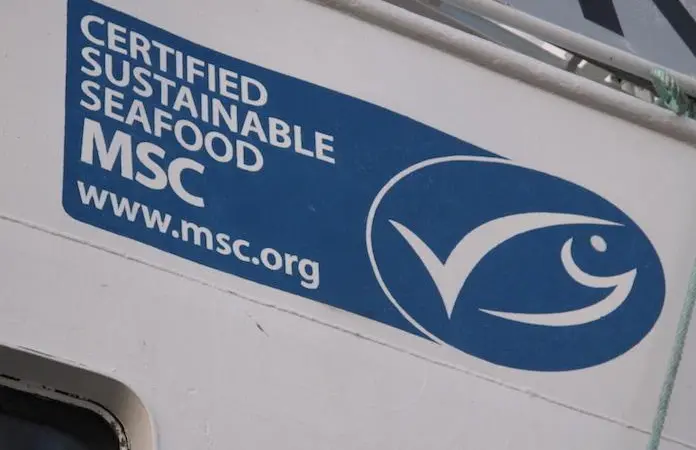
“Without independent verification, consumers can’t know if their tuna came from healthy, responsibly managed fisheries – or if it’s contributing to overfishing and the destruction of marine habitats. Overall, this report underscores the need for clearer sustainability messaging and improved accountability among brand packaging to ensure consumers can make informed choices. The MSC certification process involves rigorous, science-based standards, impartial audits, and ongoing assessments to ensure fisheries continuously improve.” Marine Stewardship Council Programme Director – Oceania Anne Gabriel said.
Coles, John West, The Stock Merchant, Little Tuna, Walker’s Tuna and Safcol emerged as leaders for their credible, transparent information communicating their sustainability practices and adherence to ACCC guidelines setting a benchmark for industry-wide practice.
Based on scoring patterns, the research concluded that brands with third-party sustainability accreditation such as MSC certification achieved a better alignment with the ACCC principles than other brands.
“Our analysis shows that independent certification isn’t just helpful — it’s essential,” University of Tasmania Associate Professor and lead researcher Dan Daugaard said. “Brands with verified claims are more aligned with regulatory standards and far more likely to win consumer trust.
“Environmental claims need to be honest, accurate, and backed by robust evidence,” added Daugaard. “Certification by independent bodies like the MSC can help brands meet these expectations – but it’s also up to retailers and producers to lift the standard of communication and transparency.”
Some 54% of all wild caught tuna globally is now MSC certified sustainable.
Related Articles
 SUSTAINABILITY
 FISHERIES
 BUSINESS & FINANCE