






Seafish warning over low grade tuna
Seafish says that some low grade tuna is being placed on the UK market and being mis-sold as high-grade tuna after being injected with fermented vegetable extract in order to restore its red colour.
This process is not permitted for tuna in the EU, but apparently some EU member states interpreted the regulation differently and were permitting the use of vegetable extract as flavouring.
The EU Commission has been alerted to the issue and the member states in question have been issued with official guidance, but until this process is stopped there could still be treated fish on the market.
It is believed that this practice is predominantly happening with tuna that is being processed in Spain, France and Italy and the main buyer of the product is wholesalers.
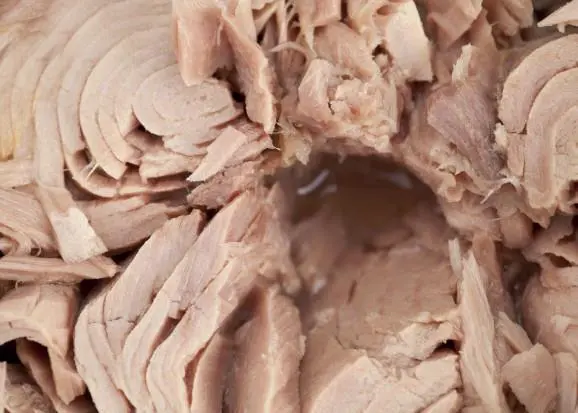
Wholesalers are being asked to look out for an overly red/pink colour and significant liquid in the pack which is not the colour of tuna blood.
Other signs of treated tuna include softness of flesh with crumbling fibres on the surface, remaining even after cooking.
The label might declare the use of antioxidants such as, E-331(Sodium citrates), E300 (Ascorbic acid), E 301 (Sodium ascorbate) as well as an acidity regulator E500 (Sodium carbonates) and salt – but they are not always declared.
Or, the label might declare the use of vegetable ‘aroma’.
After exposure to the air the tuna will blacken. This can take several hours as the antioxidants are added to slow this reaction.
Anyone who suspects they are being sold this low-grade tuna as high-grade are being asked to alert the FSA by email to foodcrime@foodstandards.gsi.gov.uk
Related Articles
 FISHERIES
 FISHERIES
 WORLD FISHING EVENTS