
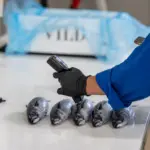

SEAFARE addresses the future of European smelt
The SEAFARE project held a two-day workshop on the status of the European smelt on 26 March 2013 in Bangor University, Wales.
During the workshop, 25 attendees reviewed the status of the European smelt across its range, the current knowledge base relating to the species and newly developed rearing techniques that will contribute to its conservation.
European smelt, also known as the ‘cucumber smelt’ due to its similar odour, are fished for human consumption, animal feed and bait. The historical decline of the species, an estimated loss of 33% of known smelt populations in England and Wales and a loss of 80% of sites in Scotland, has resulted in the inclusion of the European smelt in the UK priority species list in the UK Biodiversity Action Plan (UK BAP).
One of the key outputs of the SEAFARE project is Conservation Aquaculture Rearing Techniques for the European Smelt, a manual which has been developed by Bangor University to provide the end-user with all the necessary information required to successfully culture the European smelt for conservation aquaculture purposes.
The SEAFARE project aims to promote the diversification of the aquaculture industry by providing a greater range of species and alternative environmentally-friendly production systems.
Related Articles
 FISHERIES
 FISHERIES
 WORLD FISHING EVENTS