


The Ocean Conservancy has released Trash Travels: From Our Hands to the Sea, Around the Globe, and Through Time - a global snapshot of the marine debris problem facing wildlife, economies and marine ecosystems.
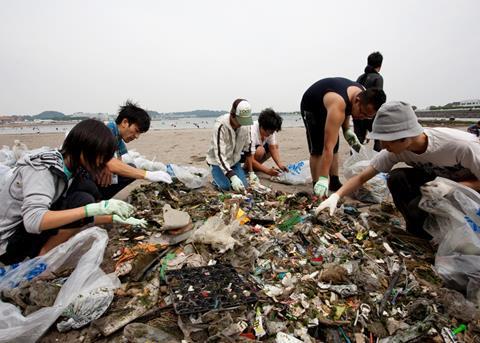
Nearly 500,000 volunteers around the world combed their local beaches and waterways collecting trash and recording the data during the 24th annual International Coastal Cleanup, the largest volunteer effort of its kind. Volunteers removed and recorded 7.4 million pounds of trash in 108 countries and locations, 45 US states and the District of Columbia.
The report features Ocean Conservancy's annual Marine Debris Index the world's only country-by-country, state-by-state analysis of trash in our ocean and waterways. Trash Travels also shines a spotlight on the growing threat of marine debris one of our greatest global pollution problems.
Marine debris is one of the most widespread pollution problems we face, with plastics making up approximately three-quarters of all trash floating in the ocean. Birds, fish and other wildlife can easily mistake smaller debris for food, choking the animals, or blocking the digestive system. Ropes, old fishing gear, and other larger debris items can pose an entanglement danger to wildlife, damage sensitive ocean habitats like coral reefs, and interfere with maritime safety and navigation.
The 2009 International Coastal Cleanup, by numbers:
- Volunteers found 336 marine animals, including 138 birds, entangled in marine debris. 120 of the animals were still alive and released. Fishing line and nets were some of the most dangerous items, trapping over 200 animals.
- Volunteers found 512,517 cups, plates, forks, knives and spoons - enough to provide a full set of dinnerware to over 100,000 people.
- Volunteers around the world covered 14,827 miles - more than six times the length of the Mississippi river.
- Volunteers found 58,881 bottles of oil/lube during the cleanup. This is the amount that would be used to change the oil in nearly 12,000 mid-sized cars.
Ocean Conservancy's International Coastal Cleanup engages volunteer organizations and individuals to remove trash and debris from the world's beaches and waterways; to identify the sources of debris; and to change policies and behaviours that cause marine debris in the first place.