




Record amounts of fish in live storage in 2015
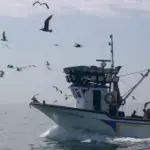
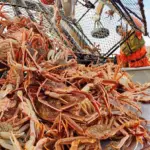
There are record amounts of fish in live storage in Norway within the past year, according to Nofima scientist Oystein Hermansen.
Live storage of fish secures a better supply of fresh fish and gives greater opportunities for obtaining higher market prices.
Mr Hermansen, said: “The quality of cod kept in live storage is very high. Most of it is sold as gutted and packed in ice, before being placed straight onto the fish counter.”
There were just under 2,000 tonnes kept in live storage in 2013, but last year that amount had grown to nearly 6,000 tonnes.
Cod is normally kept in cages for 8-12 weeks, both producers and scientists are working to widen their experience on the storage of wild-caught cod and the marketing opportunities that this method gives.
“Several different incentives for increasing the amount of fish kept in live storage have been introduced in the past,” explained Mr Hermansen.
He continued: “The quota bonus was tried for the first time in 2008 and resulted in an increase in activity but this year’s increase has been greater.”
The scientist’s report confirmed that the quota bonus introduced in 2013 is working as intended.
“This year we have applied much more powerful incentives, which has resulted in some boats becoming extremely active and several new producers starting trials with the method,” said Mr Hermansen
He pointed out that uncertainty in the supply of fish has contributed to the difficulties experienced by the suppliers concerning long-term contracts and campaigns with supermarket chains and other sales channels.
It was initially intended that the quota bonus system would be in effect until the end of 2017, but this has now been extended.
Based on the conclusions made by the Nofima scientist, many producers want to store live cod for longer than 12 weeks. This is associated with the fact that the price of cod increased significantly after the summer holidays in Norway.
The current capture season extends from March to May, and live storage for 12 weeks does not extend the season sufficiently to be able to exploit this market.
Mr Hermansen explained: “There seems to be two main reasons that aquaculture facilities do not apply for permission that would allow them to exploit this increase in price. The first is that it is difficult to find sustainable facilities for the storage, and the second is uncertainty about the regulations.”
He concluded: “Apart from this, it appears that the regulations are functioning very well and it is only details that may need to be changed.”
Related Articles
 FISHERIES
 FISHERIES
 WORLD FISHING EVENTS