



Puget Sound is an aquaculture success story
A report concerning a recent lawsuit filed in the state of Washington’s King County Superior Court paints a false portrait of aquaculture in the Pacific Northwest, according to Innovasea’s Senior VP of business development Langley Gace, who states that contrary to the Friends of the Earth information quoted, this industry has provided jobs and put sustainable seafood on dinner tables worldwide for decades.
“For more than a quarter-century, Innovasea has worked closely with Native American tribes to safely grow Coho Salmon in Puget Sound as part of a program to restore salmon populations. The healthy young fish are released into the wild each spring to return to their natural spawning locations,” he said.
Innovasea has a long track record of incident-free aquaculture with Native American tribes flies in the face of Friend’s of the Earth’s misleading rhetoric about “environmental havoc in Puget Sound.”
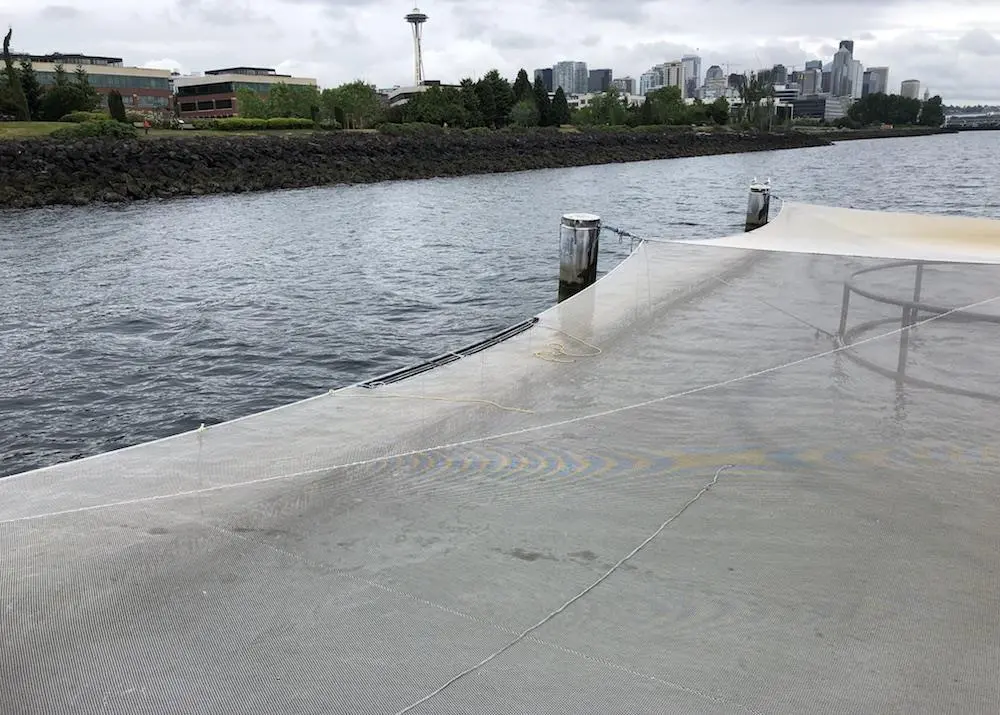
“If you want to know the true story of aquaculture around Seattle, look no further than the Innovasea fish pen that sits unobtrusively just a few hundred feet from popular Myrtle Edwards Park. Thousands of people use that park each day and few of them have any idea there’s a robust aquaculture site just a stone’s throw away,” he said.
In addition to designing and constructing durable open ocean aquaculture pens that enable fish to thrive in safe, protected habitats, Innovasea’s sophisticated sensors and instrumentation closely monitor fish health and environmental conditions in and around our pens. That vigilant monitoring leads not only to more efficient operations and better fish to eat, but it also helps minimise environmental impacts.
“We’re proud of the work we’ve done in partnership with indigenous tribes to restore salmon stocks in the Pacific Northwest,” Langley Gace said.
“We’re equally proud of the four decades we’ve spent enabling responsible aquaculture and acting as stewards of our oceans and fresh waters – not only in and around Puget Sound but across the globe.”
Related Articles
 AQUACULTURE
 AQUACULTURE
 AQUACULTURE