


Russia remains defiant
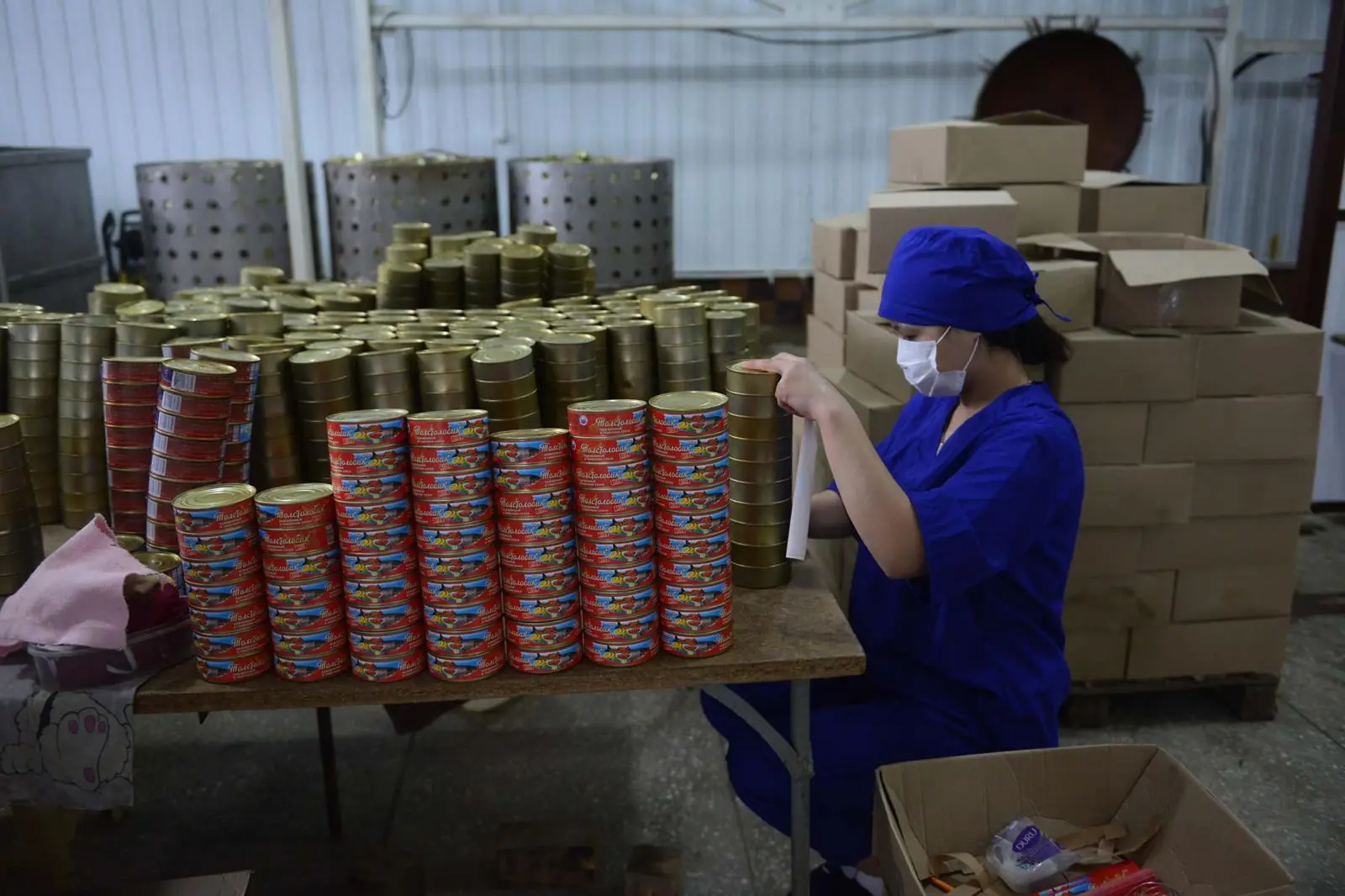
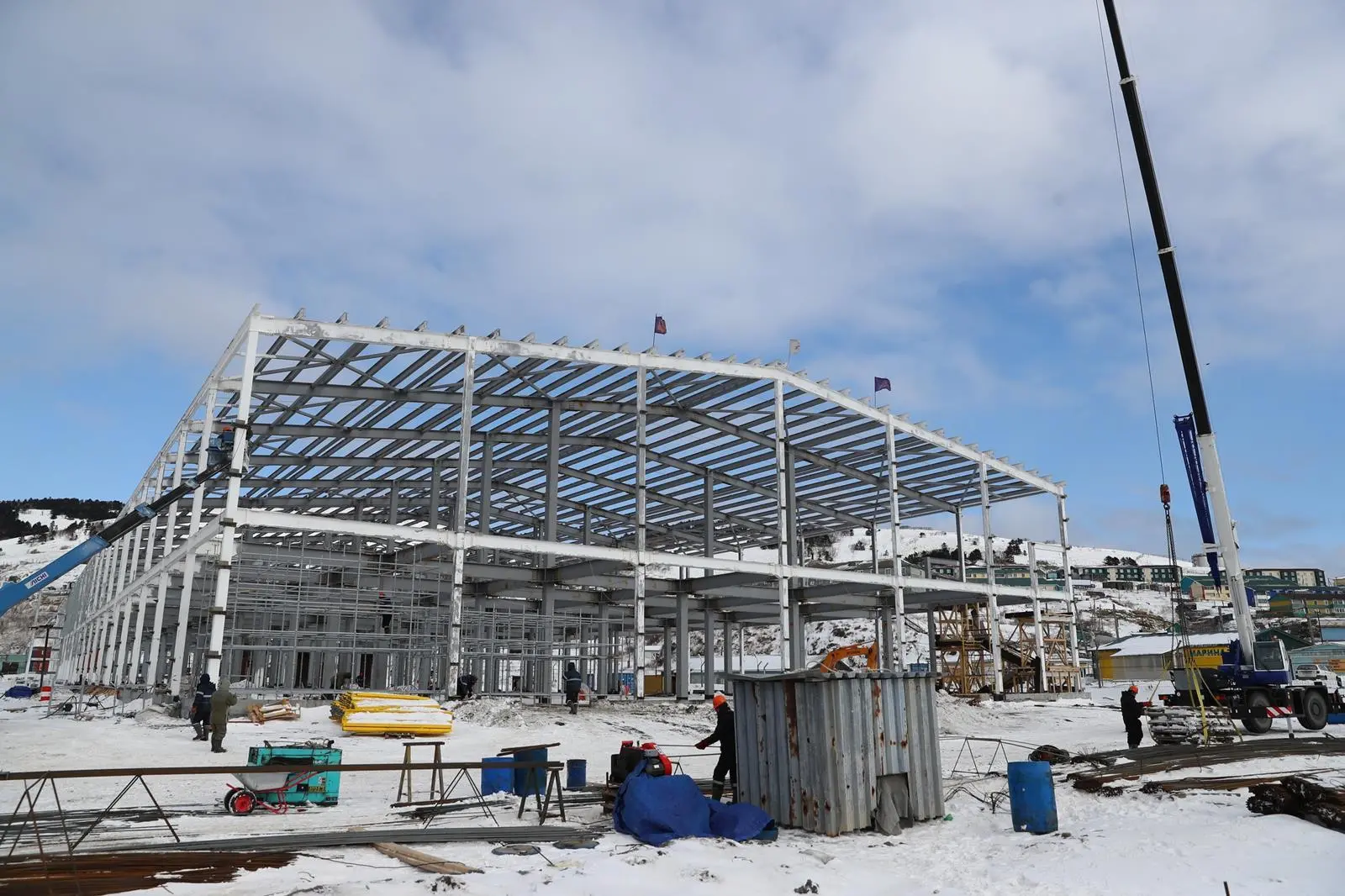
Sweeping sanctions from the West have blocked the way for many critical technologies to enter Russia, thereby making the construction of new onshore fish processing plants a tall order. On the other hand, though, the same sanctions have also given Russian authorities and businesses sufficient reason to expand the country’s processing capacity, thereby making Russian seafood far more independent and profitable as an industry.
Under an ambitious development programme embarked on by the Russian Agricultural Ministry in 2021, the country targets seeing the share of fish processed through domestic capacity rising from 25% to 80% by 2030 – roughly equating to 4 million tonnes of product.
In truth, the idea to move away from processing Russian fish overseas had been brewing in the Russian government for several years but fully materialised after China imposed harsh Coronavirus-related restrictions on Russian fish imports at the end of 2020. In previous years, China had processed around 1 million tonnes of Russian fish, accounting for 34% of total Russian fish exports.
In the end, Russian fishermen managed to direct additional volumes to other markets, including Japan, Korea and Vietnam, but market participants admitted the Chinese ban inflicted a lot of pain on the industry. Among the first affected by this action were the pollock catchers who have historically had the biggest reliance on the Chinese fish processing infrastructure.
At the beginning of the Ukrainian conflict, it looked like Western sanctions could derail the Russian fish processing industry development programme. And in May 2022, the Russian Industry and Trade Ministry voiced concerns that fish processing plants were forced to switch to used equipment since some key technologies were unavailable on the domestic market.
The Ministry found that nine companies in Russia were manufacturing fish processing equipment, but among the absent equipment, there were no high-tech skinning or filleting machines being produced.
Alexey Mostovshchikov, a member of the General Council of the political party Delovaya Rossia, said fish processors consequently faced the hard choice of switching to use older, less advanced equipment of previous generations. But he also promised that by whatever means necessary, the country’s fish processing would continue, including by sourcing certain technologies from Russian-friendly countries – provided, of course, they are not subject to secondary sanctions.
Circumventing sanctions
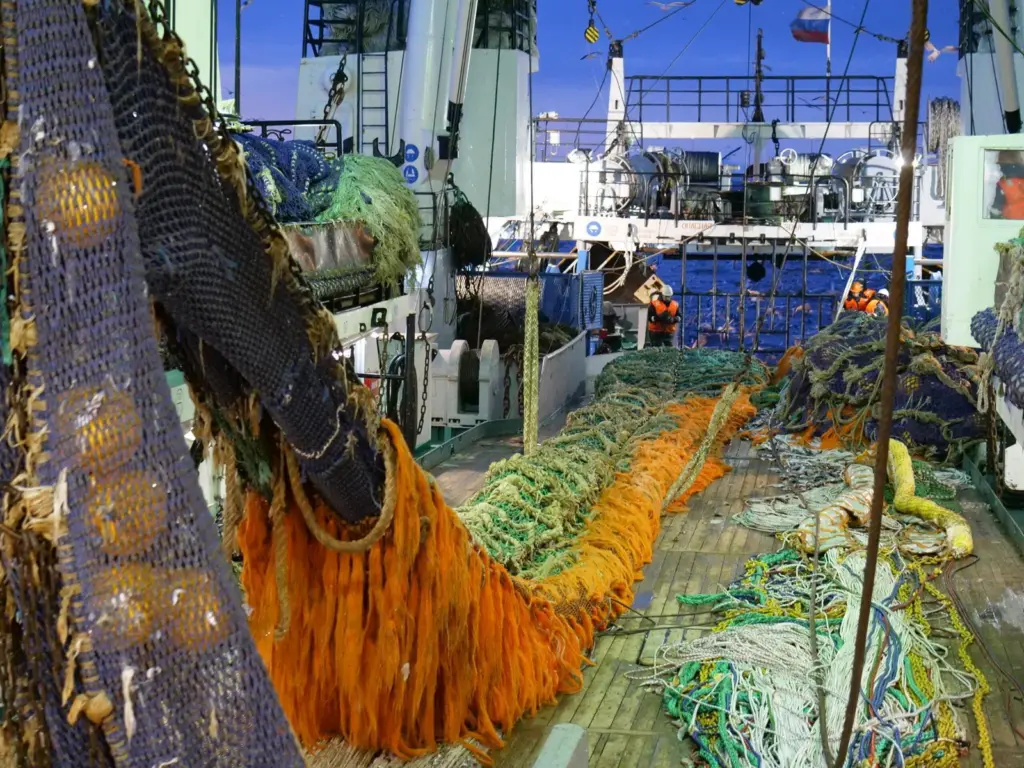
There’s no doubt the sanctions have led the Russian fishing industry to suffer. In a January 2023 report, the Russian Union of Fishermen, Varpe, warned that the fleet renewal programme had stalled. One of the most striking examples of this was the construction of six trawlers ordered by the Russian Fishing Company (RFC) had been suspended.
Under the contract with a St Petersburg shipyard, all ships should have been handed over to the customer by 2025, but the new reality is it’s doubtful that the vessels will be ready before 2030. Varpe suggested the key problem was a lack of important equipment, with a long list including main and auxiliary engines, controllable pitch propellers, main switchboards, steering and thrusters, pumps, deck equipment, fishing gear and factory deck equipment.
Varpe claimed that in total, 24 fishing vessels at various construction stages lacked necessary equipment.
Meanwhile, in May 2022, the Russian government approved a parallel import scheme under which Russian businesses are allowed to import some goods without the consent of the intellectual rights holders. During the past year, fishermen have tried to take advantage of this facility, ordering certain equipment in Europe through third-countries like Turkey, the United Arab Emirates (UAE) and Kazakhstan.
However, a spokesperson for Varpe confirmed these attempts eventually failed. While several Russian fishing companies had indeed imported Western equipment through third-countries last year, they were not able to put the machines into operation without service support from the suppliers. It’s been said that one company even tried to hack the software to put the machines to work, but these efforts brought even more trouble since the actions resulted in incorrect operations and failures which the company was unable to fix.
Consequently, parallel imports are no longer seen as a reliable option to source the necessary technologies. Furthermore, in March, Turkey, which emerged as the key transit hub for Russia, blocked the re-export of sanctioned Western goods. And in April, some restrictions on parallel import were also imposed by Kazakhstan. Other countries in the Middle East and Central Asia also face mounting pressure to ensure they are not used to circumvent sanctions.
Against the odds
Nevertheless, and despite the challenges, it appears as though the Russian coastal fish processing industry is growing. In April, the Russian federal agency for fisheries, Rosrybolovstvo, estimated the Far Eastern onshore fish processing plants could handle 1 million tonnes of pollock catches in 2023. Last year, Russian fishermen caught 1.9 million tonnes of pollock, the highest figure ever.
A source in the Russian fishing industry who wished not to be named said that Western sanctions are no longer seen as a threat to the processing industry’s development. The source explained that every company scrambles to find its own way to deal with a lack of technologies but claimed that “the mission is quite possible”.
It was highlighted there’s a growing reliance on Chinese technologies, especially in the Far East, plus some companies from countries deemed unfriendly continue to sell their products to Russian customers.
The source reminded WF that the sanctions have not prohibited selling fish processing equipment to Russia and explained that the problems in this field are primarily associated with Western sanctions against the logistics and banking sector, which made delivering the ordered goods and paying the bills a tricky task. However, these issues are already sorted, the source said.
According to the source, the future of the onshore fish processing industry is now tightly linked to the second round of the state-run investment quotas programme, under which the Russian government distributes fishing quotas among investors who are willing to renew fishing fleets or build processing infrastructure.
Within the first round, which started in 2017, the Russian government signed investment agreements for the construction of 64 vessels and 27 processing plants, with a total worth of 240 billion roubles (around US$4 billion). The second round, slated to begin in 2023, is expected to focus even more on expanding the processing capacity.
Eyeing independency
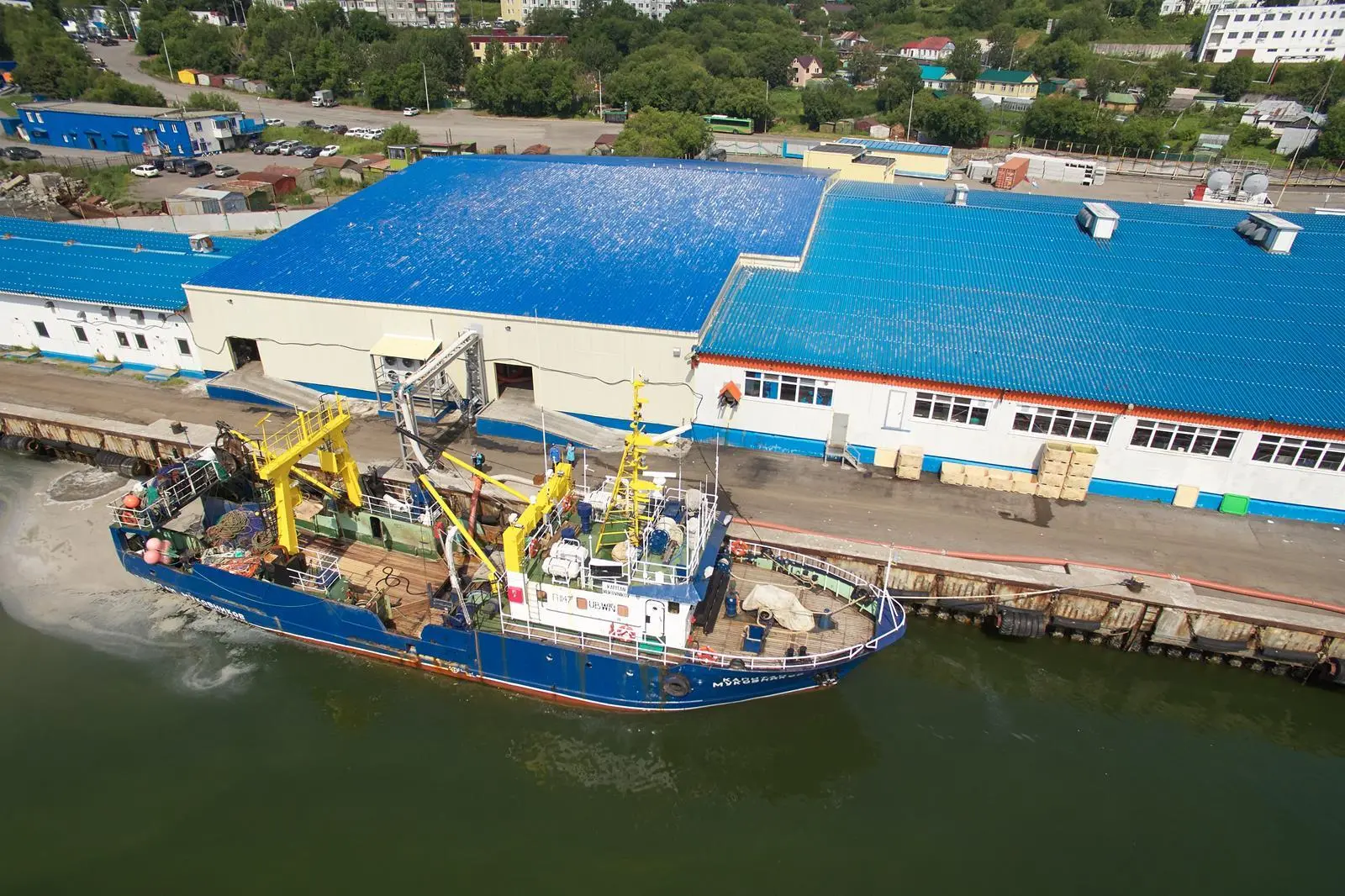
Under the second round of the investment quotas programme, the Russian government originally considered obliging fishermen to process up to 70% of catches onshore. Several market players opposed this idea, claiming it would be better to process more fish onboard, and it was eventually abandoned. Still, it is believed that fish processing will get more attention than during the first round.
The delivery of catches to the shore, in general, should be a top priority of the industry’s regulation, said Maxim Kozlov, head of the Association of fishing enterprises of the Sakhalin region. Currently, authorities are designing by-laws to define the requirements for the onshore processing plants to participate in the second round of the reform.
The issue of the development of fish processing also goes hand in hand with the Russian fish industry’s export opportunities. Russian businesses believe that processing fish domestically not only helps sell products to foreign customers with higher added-value but also will expand the list of sales markets.
Rosrybolovstvo’s proposal on the mandatory processing of 70% of fish at coastal factories would help fishermen to boost the share of premium products, which would increase demand for Russian fish on the world market, said Alexei Osintsev, President of the Russian Association of Fishing Fleet Owners, but he added that onboard fish processing should also not be neglected.
In the wake of sanctions, the Russian Agricultural Ministry unveiled plans to help direct Russian fish into new markets in Africa, Asia and Latin America. The Russian fishing industry is still searching for alternative sales markets due to looming fears of new Western sanctions. However, as it stands, Russian fish is doing relatively well on the global market, including growing supplies to Europe.
In 2022, Russia exported 198,800 tonnes of fish to Europe, 18.7% more compared with the previous year, Varpe reported, citing the official data. Moreover, Russian companies earned €940 million in revenue from selling fish to European customers, almost 60% more than in 2021.
Osintsev said that a growth in sales of Russian to Europe fish export was largely secured by expanding domestic processing capacities. This could also explain the jump in revenue, with Russian fishermen now exporting products with a higher added value.
Despite recent progress, there is still room for growth in the Russian fish processing industry. In this regard, Varpe estimated that China, Japan and Korea together imported 1.66 million tonnes of Russian fish last year, most of which was landed at processing plants. Additionally, Varpe acknowledged that Russian fish exports to the EU are in a risk zone and also warned that it would be extremely challenging for Russian businesses to find a replacement for the European market. In theory, it would be easier if Russia sold processed fish products instead of raw fish, but there are no guarantees whether this is the case.