




Fish factories focus on high-tech
With competition levels intensifying throughout the global seafood processing industry, selecting the most efficient equipment and technologies can provide serious competitive advantages.
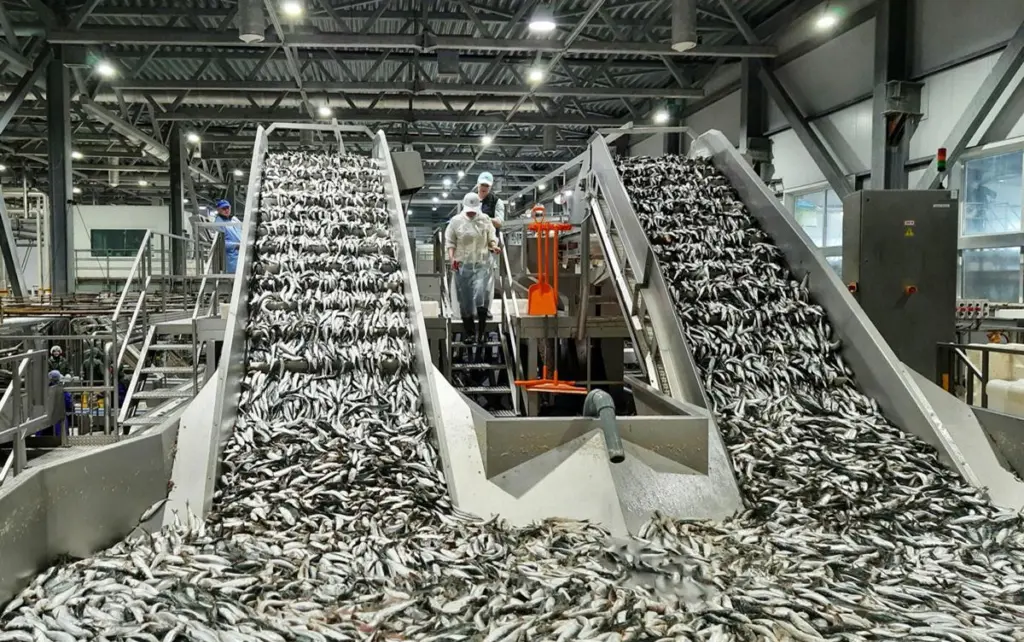
Over the last decade, the greatest demand for the most modern industrial equipment has come from the largest emerging nations, particularly China and Russia, and to a lesser extent, Brazil. But while Russia and its leading fish processors have significantly reduced the purchasing of equipment and technologies due to the sanctions imposed in the wake of the country’s invasion of Ukraine, China’s procurements have continued at pace to fuel the unrelenting growth of its fish processing sector.
This purchasing behaviour is also part of the Chinese government’s plans for the development of its fish processing sector. In accordance with the existing Chinese 14th Five-Year National Fisheries Development Plan, which runs until 2025, the domestic production of fish products will increase. This is in contrast to previous years, when most of processed output was sent for exports.
Now, though, particular attention will be paid to redirecting supplies to the home market.
Greener product focus
Like China, there are a number of countries in the South Asia region that are looking to grow their fish processing sectors, and which are also seeking to source modern equipment and technologies, including for onboard processing.
It’s a similar situation in Western markets. Demand for the latest equipment in these regions soared during the pandemic, with automation and digitalisation providing the means to overcome staffing issues whilst also meeting sharp rises in product demand.
According to analyst agency TechBullion, the current demand growth in Asian and Western markets is being driven by the rising demand for processed fish products – with innovation and sustainability at the forefront of this growth.
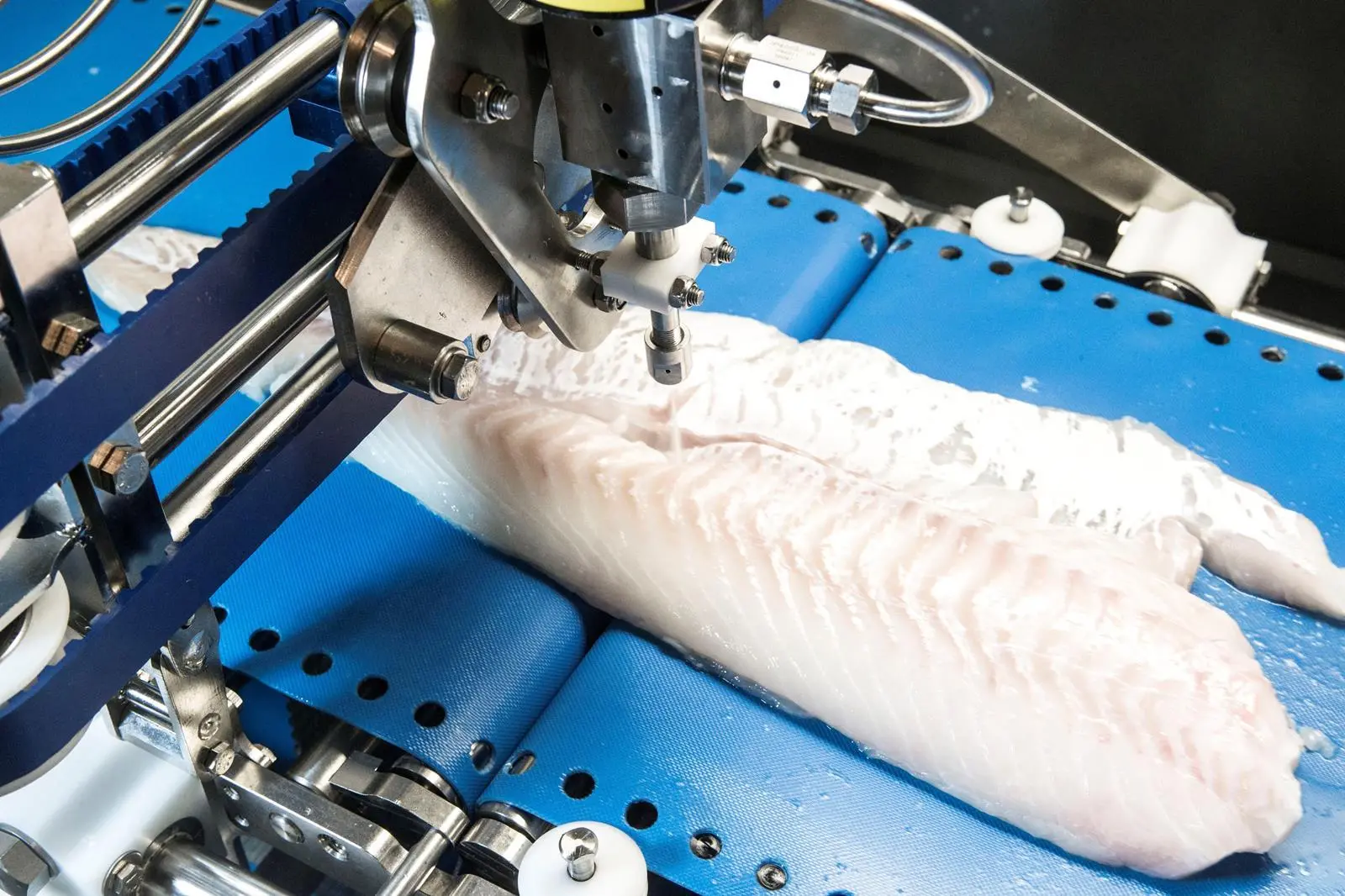
TechBullion’s experts told WF that currently the biggest demand is observed for precision cutting technologies along with advanced freezing machinery, which improve product quality and increase shelf-life. They also note the current major trends in the fish processing equipment market are sustainability and environmental friendliness.
These, they say, contribute to the more active development of energy-efficient machines and systems that reduce water consumption and waste.
There’s also the ever-growing global trend towards increasing environmental safety when using refrigeration units, they said.
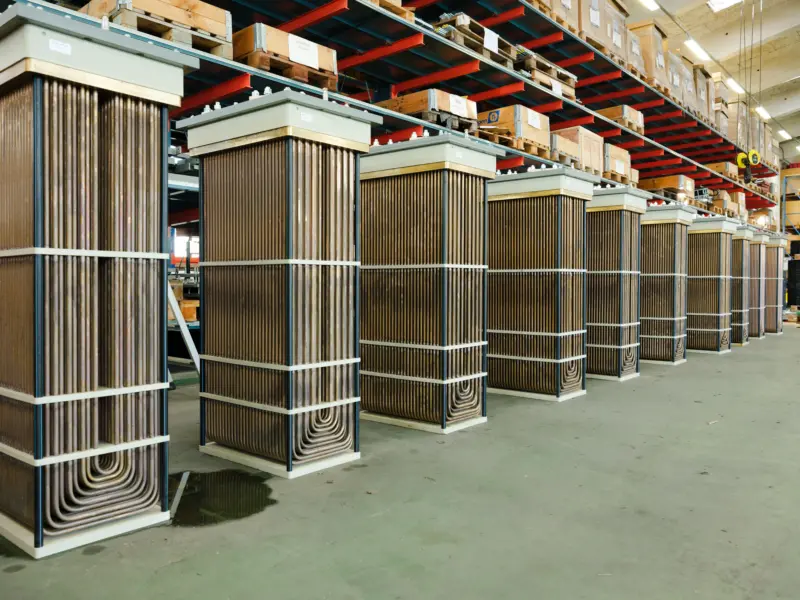
In recent years many European storage warehouses for fish products have switched to carbon dioxide refrigeration systems. Despite the fact that such technology is somewhat more expensive in terms of capital costs, due to a higher energy efficiency and with comparable other operating costs, it’s become possible to recoup the difference in costs in less than in 2.5 years.
Increasing yields
These current market trends are confirmed by leading equipment providers.
Billy Sisk, Senior Industry Manager EMEA of Rockwell Automation, the US provider of industrial automation and fish processing equipment, said the fishing industry must look to modern, smart and connected solutions to keep pace with growing global demand.
According to Sisk, in order to be efficient amid the ever-rising seafood demand, more and more fish processing enterprises are turning to modern intelligent automation infrastructure both for existing and completely new factories.
The aim is increasing the yield of different stages and processing methodologies, he said.
He also added that in addition to increase production, “the supply chain is also receiving greater attention in order to avoid the deterioration of seafood products, not only through the development of distribution channels, but also through improvements of technology, processing techniques, packaging process and storage”.
Sisk also believes the further development and modernisation of processing techniques, including heat treatment, temperature reduction and moisture content control, should contribute to a stronger demand for such types of fish processing equipment in global market in years to come.
Overcoming staffing issues
As labour costs continue to go up, thanks to a deepening shortage of personnel, most equipment suppliers and processors believe the more active use of automation solutions will contribute to the growth of efficiency of fish processing enterprises both in the Asian and Western regions. As such, leading market players have significantly expanded their market presence in recent years.
Among these, Kuka – a German manufacturer of factory automation systems – has become a major supplier of industrial robots for the needs of fish processors within the EU and abroad. For example, it recently completed the delivery of fish palletising robots to Polish processor Pakfish for its factory at Rusko, near Darłowo. This equipment has allowed the Polish company to significantly increase its processing capacity to more than 80 tonnes of fresh fish per day.
According to the company, installation of the new technology enabled it to reduce staff workload by eliminating the need to manually place boxes on pallets.
Pakfish Production Manager Jacek Skotarski said: “We are simply short-staffed, and it is difficult work that required automation.”
Kuka’s plans include further expanding its geographical reach. In this regard, it’s expected the Chinese market will be a priority growth area for Kuka and other equipment providers too, with many observing the country’s huge annual procurements of fish processing equipment.
According to official Chinese state data, agricultural machinery, including those for fish processing continue to account for the bulk of purchases in the overall structure of equipment procurements in the country (up to 70%). This is also due to huge state subsidies, which are annually allocated by Chinese government for these needs. Among the most demanded products are mincers, slicers and vacuum sealing machines.
In general, according to most processors and industry analysts, amid the ever-tightening competition in the sector, the demand for new high-tech fish processing equipment and machines will trend upwards, and that will contribute to the launch of new products. The fact the fish processing industry still loses a significant amount of meat due to inefficient processing machines will also drive up the demand for new machines.
Related Articles
 PROCESSING & REFRIGERATION
 SEAFOOD
 SEAFOOD