




Pole and line yellowfin tuna certificate suspended
The MSC certificate for the yellowfin component of the Maldives pole and line skipjack and yellowfin tuna fishery has been suspended by certifier DNV-GL, effective from 15 April.
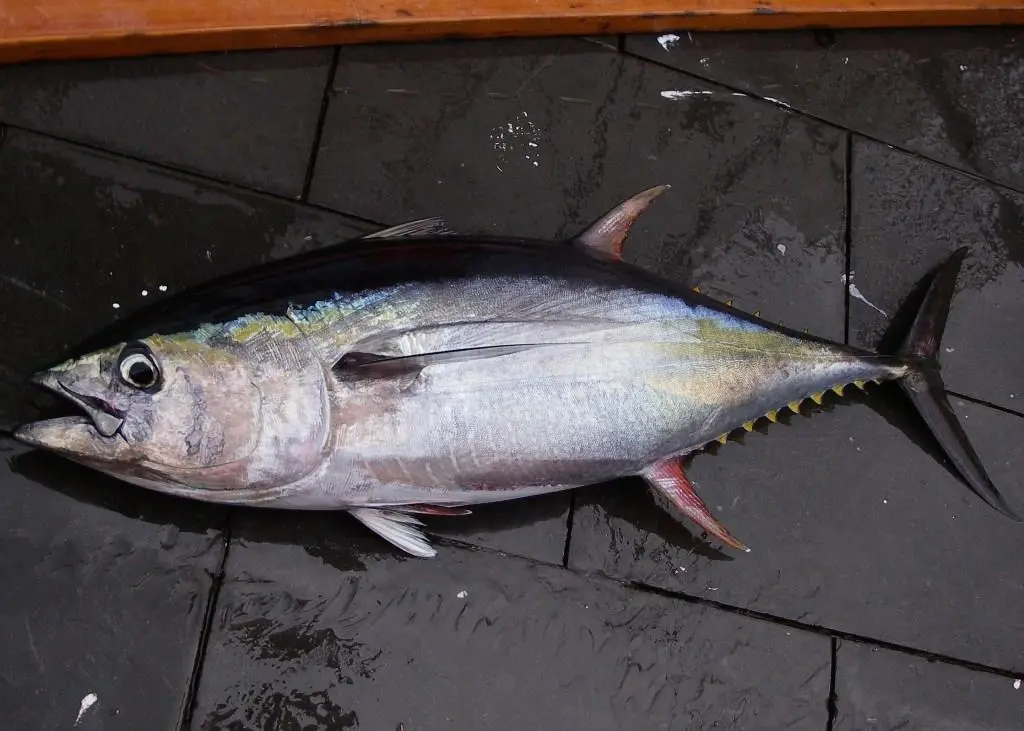
Any yellowfin harvested by this fishery from this date cannot be sold as MSC certified or carry the MSC ecolabel.
The Indian Ocean Tuna Commission (IOTC) Scientific Committee recently released its assessment for the yellowfin tuna stock which showed significant declines as a result of overfishing and relatively low reproduction levels. The stock is targeted by a large number of countries fishing in the Indian Ocean. The IOTC reported that the substantial increase in longline, gillnet, handline and purse seine fishing effort, and associated catches in recent years, has substantially increased the pressure on the Indian Ocean stock as a whole, with recent fishing exceeding the Maximum Sustainable Yield (MSY) related levels.
“Healthy tuna populations are essential for both the wider marine environment and fishing economies. The MSC Fisheries Standard therefore requires that MSC certified fisheries are targeting healthy or recovering stocks that are well-managed”, said Dr Adrian Gutteridge, Fisheries Assessment Manager at the MSC.
MSC certification requires annual surveillance audits for all certified fisheries. During the Maldives pole and line fishery audit, DNV-GL’s assessment team reviewed the latest scientific data and concluded that the stock no longer meets the MSC Standard’s requirements for stock health, and the certificate for yellowfin tuna is therefore suspended. The fishery client now has 90 days in which to produce a corrective action plan which addresses the cause of the suspension.
However, the skipjack tuna component of the Maldives pole and line tuna fishery continues to meet the MSC Fisheries Standard and will maintain its MSC certificate.
DNV-GL found that populations of skipjack tuna in the Indian Ocean are currently healthy, and these findings reflect the IOTC Scientific Committee’s latest assessment for skipjack tuna (PDF) which determined the stock to be neither overfished, nor subject to overfishing.
Related Articles
 FISHERIES
 FISHERIES
 WORLD FISHING EVENTS