




Pelagic discard ban comes into force
The discard ban targeting pelagic quota species means that fishermen will have to land all the quota fish they catch from now on, helping mitigate against the wasteful practice of throwing fish back overboard.
This obligation follows three years of “hard-fought negotiations” led by the UK government in Europe and is the first phase of the introduction of the wider discard ban under reforms to the Common Fisheries Policy in Europe.
UK Fisheries Minister, George Eustice, said: “But our work is not over. While it’s widely recognised pelagic fishing operations have relatively low discard rates we will continue to work with fishermen to help them adjust to the new reforms and make the transition as smooth as possible.”
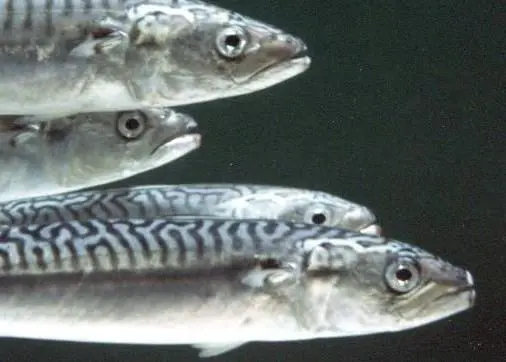
The ban will first apply to pelagic species including blue whiting, boarfish, herring, horse mackerel, mackerel, Norway pout, sandeel and sprat. It will also include by-catch of quota species, such as cod and whiting, and any quota fish that are below the minimum landing size (MLS).
Looking ahead to the implementation of the demersal discard ban in January 2016, for fish such as cod and hake, the UK government said it has successfully resisted further reductions to the amount of days fishermen can spend at sea at this year’s EU Council.
It has also apparently secured a commitment from the European Commission to undertake research to improve quota flexibility, allowing fishermen to use quotas across different regions in light of the need for increased selectivity.
The Marine Management Organisation’s (MMO) guidance outlines which fish come under the new landing obligation, what fishermen have to do with them on board, and which can be sold for human consumption.
Related Articles
 FISHERIES
 FISHERIES
 WORLD FISHING EVENTS