






Overfishing in the Balearics
Oceana warns that half of all the catches in the Spanish Balearic Islands over the last 60 years have not been declared – meaning that actual catches from the fisheries are 2.3 times higher than official figures.
Xavier Pastor, senior vice president, Oceana, said: “Although the percentage of the unregistered catches in the Balearic Islands has decreased from 61% in 1950 to 53% in 2010, there are still more catches that are not recorded.”
“In order to properly manage fishing activity, it is necessary to know the actual amount that is being captured. Otherwise, it is impossible to know the extent of the resources and how to extract the maximum amount without compromising their survival,” he added.
In its two-year study of the Balearics, Oceana’s contribution to the Sea Around Us project lead by the University of British Columbia, the organisation performed calculations by adding unofficial captures to official landings (248,000 tonnes).
The total was actually found to have risen to 570.5 tonnes, including the 24% of sales on the black market and the 18% of catches discarded overboard.
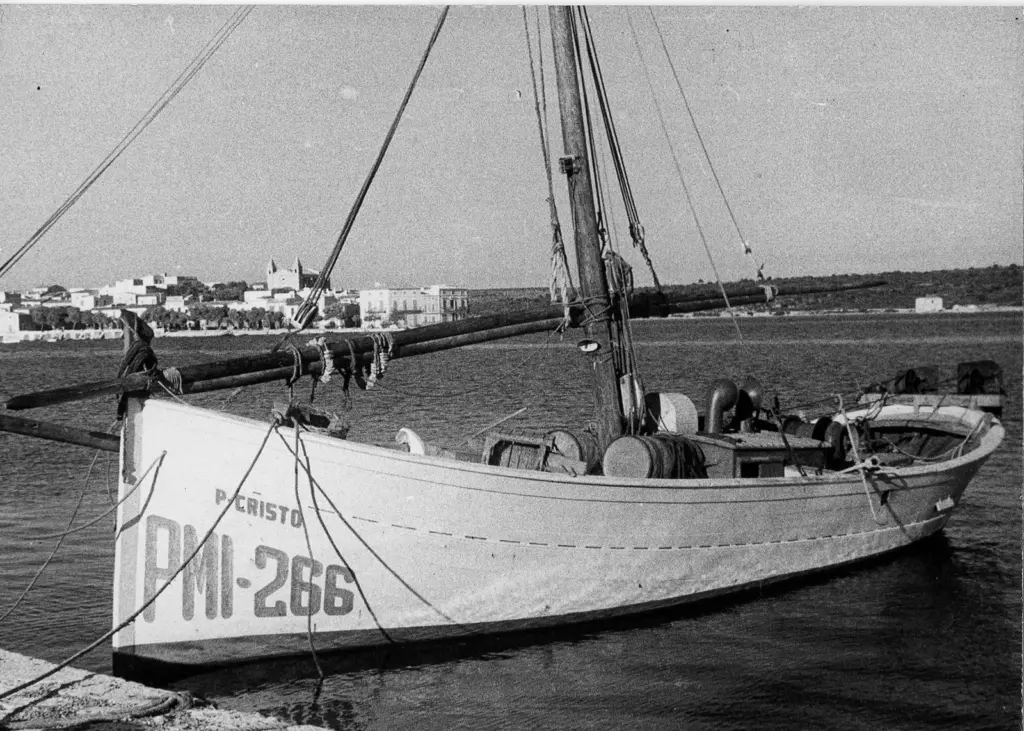
Oceana said that one of the main reasons for this overfishing is that the industry has changed over the years going from an activity carried out mainly by traditional fishermen, to that of trawling boats, bigger nets and greater industrial technology.
Although the number of fishermen has decreased from 5000 to around 700 during the time period, nearly the same amount is captured now as in 1950. But the quality and diversity of the catch has decreased, indicating a decrease in fishery productivity.
Species that were once abundant, such as the smoothound, the dogfish, the slipper lobster, grouper and amberjack, have declined. Some species such as the spider crab, angel shark and nursehound have disappeared completely.
Related Articles
 FISHERIES
 FISHERIES
 WORLD FISHING EVENTS