




Orange roughy furore
It has been a turbulent few days with NGOs piling in to slam the MSC’s decision to certify the New Zealand orange roughy fishery as sustainable.
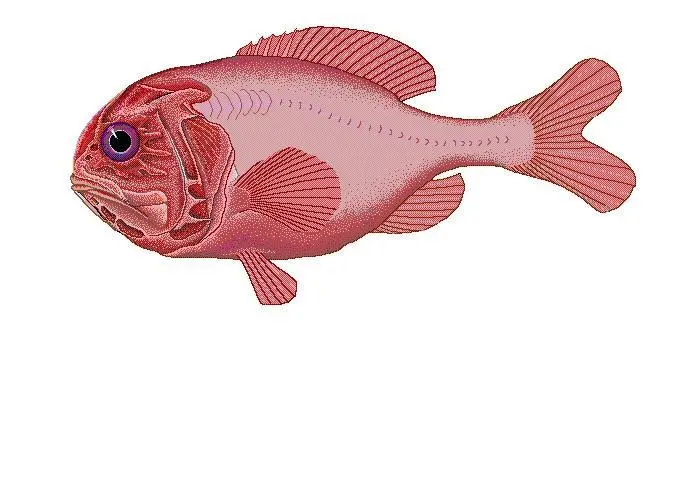
According to the MSC, New Zealand’s orange roughy fishery has had to satisfy a stringent set of criteria to meet the organisation’s robust standards, and the fact that it has been certified as sustainable demonstrates the success of twenty years of management improvement and scientific innovation.
“This certification signals to the world that collaboration among industry, Māori iwi leaders, government, scientists and other interest groups has the power to improve the health of fish stocks and ensure their sustainability,” said MSC’s Asia Pacific Director Patrick Caleo. “We believe that rewarding positive change through our certification program and ecolabel is essential if we are to ensure healthy oceans.”
George Clement, representing a group of NZ deep water fishing operators in the Deepwater Group, stated that management has been substantially revised over the years and is now highly precautionary.
“To ensure the long-term productivity of this fishery – for every 100 adult orange roughy in New Zealand, we harvest less than 5 each year, leaving at least 95 to ensure that these stocks remain healthy for the future,” he said.
“Our science-based management demonstrates our commitment to ensure that we have healthy fish stocks and a healthy marine environment. MSC certification gives our buyers and consumers third party assurance that our seafood is harvested sustainably and responsibly.”
Not everyone agrees with the MSC’s findings on orange roughy and things began to get awkward a week or two ago with the leaking of a WWF document that has since been described as an internal piece of work, but casts an uncomfortable light on the relationship between the MSC and the WWF, which was instrumental in setting up the certification body.
The suggestion has been made that corners may be cut in the certification process when dealing with applicants with heavyweight financial backing, notably with the assertion that the Indian Ocean tuna fishery was certified while stakeholders’ were sidelined and that the fishery could not meet sustainability criteria as facts were ignored by assessors.
Other NGOs have been quick off the mark to condemn the MSC certification, with the Deep Sea Conservation Coalition (DSCC), New Zealand NGO ECO, Bloom Associates and Greenpeace all lining up to swing punches at the MSC.
“This is a farce and the public can no longer have confidence in MSC certification” claimed Matthew Gianni of DSCC. “If the MSC can certify this fishery, which threatens to destroy deep sea corals and other long-lived and vulnerable deep sea species and habitats, as ‘sustainable’ and describe the fish as ‘responsibly caught’, then it lacks any credibility. The MSC should either be fundamentally reformed or replaced by a standard that the public can have confidence in.”
DSCC lawyer Duncan Currie said a controversial report on dumping, stating that the real catch was 2.7 times the declared catch, had been excluded from the certification process.
“It is unfortunate that the key New Zealand government report revealing massive under-reporting of catch, and a slew of scientific reports, were ruled inadmissible by MSC,” he said
“It is a travesty that this obviously unsustainable fishery, which has been demonstrably overfished for many years, has been certified by MSC,” said Oliver Knowles of Greenpeace New Zealand.
But from now on, New Zealand orange roughy will carry the blue MSC tick, allowing it to be marketed as sustainable, and the management of the fishery has demonstrably changed since the days when big trips on orange roughy were the nothing unusual.
Was it a brave decision to certify orange roughy – or was it a fool hardy one? The MSC has presented its evidence after a long and detailed assessment process. On the other hand, this is no the first time that there have been complaints about the MSC’s objection process – although this is first time that the MSC has come under such sustained and outspoken fire.
Is the MSC broken, as Greenpeace New Zealand confidently asserts? Probably not – although there are certainly questions that need to be asked and there are undoubtedly crisis meetings taking place figure out how to limit the damage, just as a group of NGOs appear to be relishing the opportunity of giving the MSC a severe kicking.
Related Articles
 FISHERIES
 FISHERIES
 WORLD FISHING EVENTS