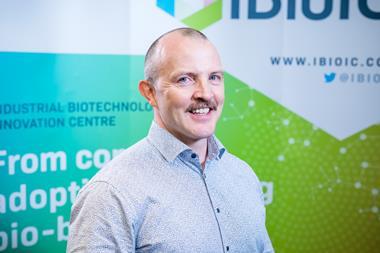




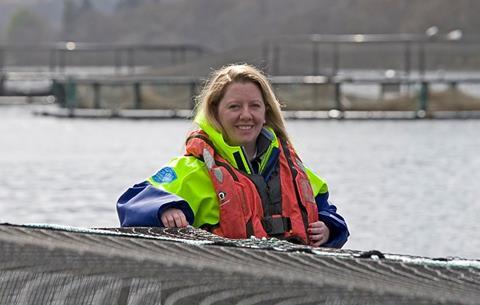
Aquaculture Stewardship Council Director of Innovation, Alison Hutchins writes for WF
Innovative and emerging technologies are changing business practices and enabling faster, easier and more efficient operations in all spheres of work, but particularly in the aquaculture sector.
As the new Director of Innovation for the ASC, I am proud to see how my organisation has been at the forefront of driving forward new technology and innovation in seafood and the wider supply chain space for the past 12 years.
Being the world’s leading provider of farmed seafood certification, we create and enforce the world’s strictest combination of standards for fish health, feed ingredients and water quality to improve farmed seafood. We ensure supply chain integrity by tracing from farm to retailer, providing full transparency through public disclosure, and protecting the environment, workers and communities. ASC is also the only certifying programme able to verify a product from source to plate or package.
Championing new tech
ASC aims to reflect and establish global best practice and pays keen attention to incorporating emerging technology such as digital traceability and product authentication techniques to ensure we stay ahead of the game.
One example is our project using technology to improve the digital traceability of ASC certified products. We use specialist software to capture and convey relevant Key Data Elements (KDEs) from certified farm origin, through the supply chain, to the end user. As the project develops, registered users of the system will be able access information about ASC certified products of interest.
Ultimately, the integrated KDE project will ensure a higher level of programme assurance, by increasing transparency across the supply chain. The initial focus of this project is on shrimp, but we aim to expand it to other species.
Supply chain benefits
ASC also unveiled the new application of another technology recently, which allows us to verify ASC-certified shrimp back to its farm of origin, with unprecedented accuracy! Such an ability is beneficial to consumers, retailers and to fish farmers.
This pioneering programme is based on trace element fingerprinting (TEF), which works by matching the trace element profile of a shrimp, which represents the local soils, water and the feed where it was raised to known locations where ASC shrimp are farmed.
We are delighted that use of this technology will in part help to further detect and reduce seafood fraud and mislabelling, occurrences of which are all too common in wild-caught and farmed seafood.
TEF has been used in a number of industries, but its use has so far been limited, due to cost, scale, and limitations posed by conventional analytical approaches The system pioneered by ASC combines TEF with advanced mathematics to provide greater accuracy. The result is an added layer of assurance to the ASC programme and greater confidence in the ASC logo.
Other areas being explored by ASC include data collection and analysis using sensors, GIS and remote satellite monitoring. This rapidly developing area of technology could bring new solutions and efficiencies to assurance and verification.