


Electrical stunning – it’s what consumers want
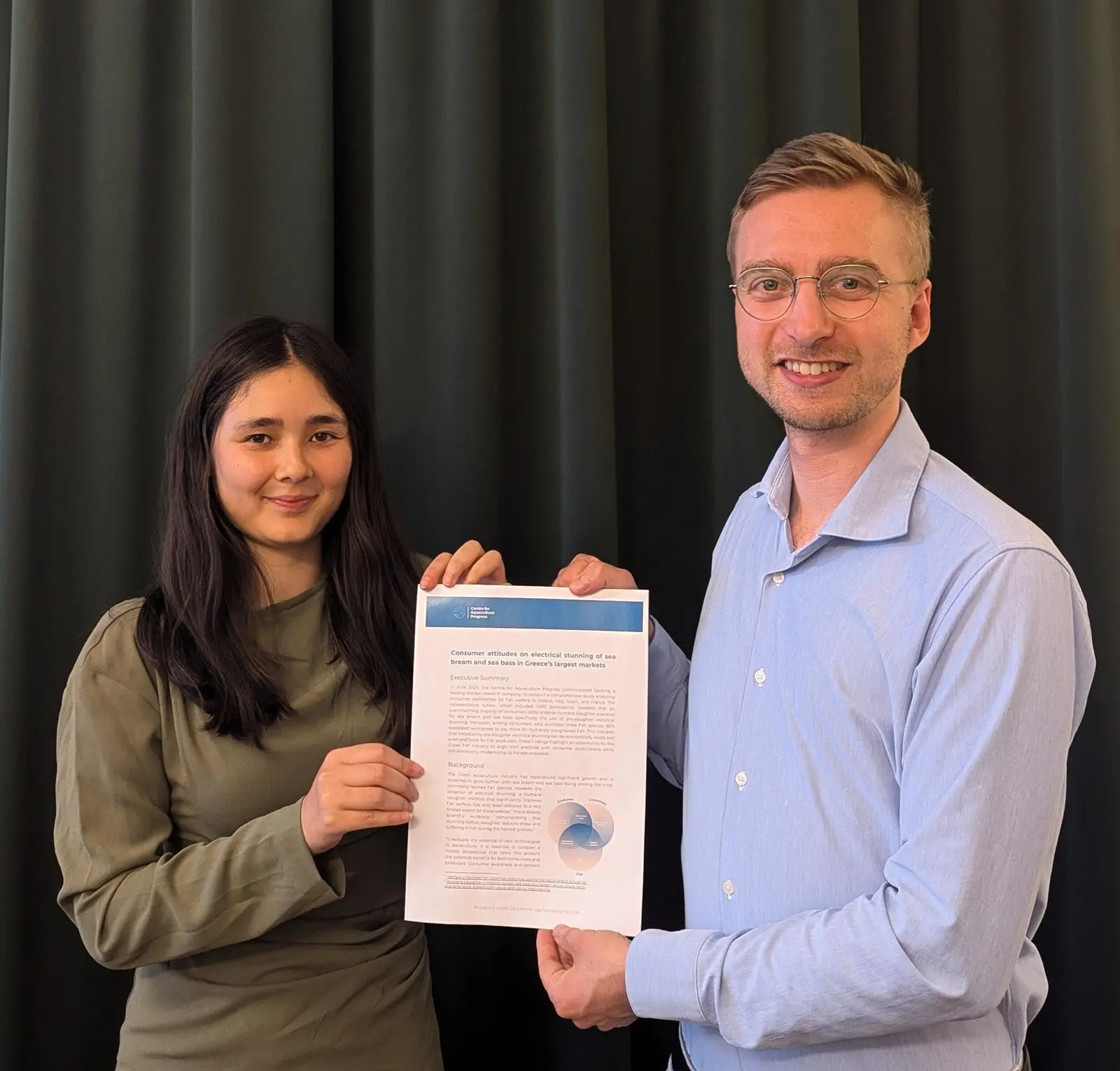
Recent research demonstrates a clear imperative for the Mediterranean aquaculture industry, particularly Greek producers and those exporting to Greece, Spain, Italy and France, to adopt more humane fish harvesting practices for seabream and seabass. A representative study conducted by the Centre for Aquaculture Progress in June 2024 revealed compelling evidence that consumers are not only ready for this change but are actively demanding it.
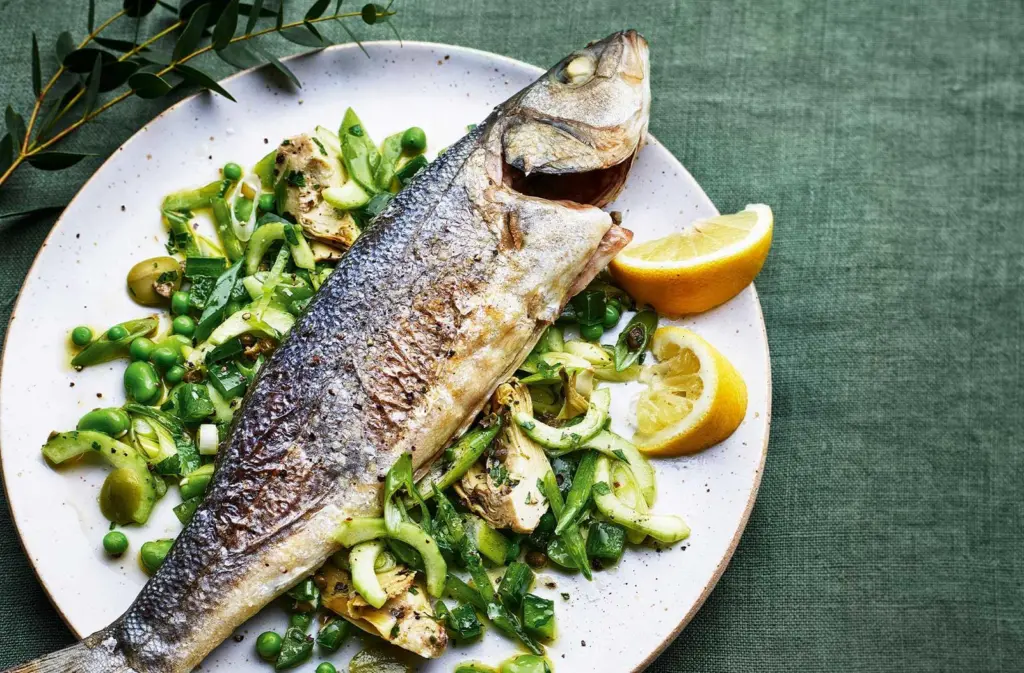

The predominant harvesting method in the Mediterranean aquaculture industry for seabream and seabass involves live chilling in ice slurry after brailing (scooping the fish out of the water using large nets). This practice, however, is not deemed acceptable by the World Organisation for Animal Health (WOAH) due to the stress it causes to the fish. In contrast, electrical stunning offers a more humane alternative.
Electrical stunning involves rendering the fish unconscious before they are put into the ice slurry. This process minimises stress for the fish and, importantly, also improves flesh quality. Essentially, electrical stunning is a win-win solution. It significantly improves fish welfare during harvest while simultaneously enhancing product quality and improving harvesting efficiency. It results in benefits for the consumer, producer and fish.
Study results
Our survey, encompassing 1,600 participants across Greece, Italy, Spain and France, uncovered striking statistics:
- 83% of consumers support humane slaughter practices for seabream and seabass, with a particular emphasis on pre-slaughter electrical stunning
- 80% of those who purchase these fish species are willing to pay at least five euro cents more per 200g serving (equivalent to 20 euro cents per kg) for humanely-slaughtered fish
These findings present a significant opportunity for aquaculture producers supplying these markets to align their practices with consumer demands and potentially increase their profitability.
As a non-profit organisation dedicated to reducing fish stress and improving aquaculture practices, the Centre for Aquaculture Progress interprets these results as clear evidence of growing consumer demand for fish slaughtered with more humane practices.
The shift in consumer preferences is unmistakable. The industry must adapt to meet these evolving demands or risk losing market share to more progressive producers. Particularly those producing or exporting to Greece, Spain, Italy and France are under pressure to incorporate these consumer preferences into their production processes.
The future
The adoption of more humane slaughter practices, especially pre-slaughter electrical stunning, is not just an option to consider – it’s becoming a necessity for the industry’s future. This shift is further reinforced by other significant trends in the sector. For instance, there is a strong likelihood that Aquaculture Stewardship Council (ASC) certifications will include stunning requirements for seabream and seabass in its next standard.
As the aquaculture industry continues to evolve, producers who proactively adapt to changing consumer preferences and emerging welfare standards will secure a competitive advantage in the market. The Centre for Aquaculture Progress urges industry stakeholders to engage in continued dialogue and collaboration to advance more humane and sustainable aquaculture practices across the Mediterranean region and beyond.
About the Centre for Aquaculture Progress
The Centre for Aquaculture Progress is an independent non-profit organisation dedicated to finding solutions to reduce fish stress. The centre assists fish producers in modernising their production through pro bono consulting services and provides support with adopting new technologies, such as pre-slaughter electrical stunning technology.