



OMC Asia: the shift offshore
Opening the second day of the Offshore Mariculture Conference 2018 by summarizing the first day, conference ?chairman Alessandro Lovatelli noted the large moves underway from small cages to bigger ones, and efforts to establish farms further offshore.
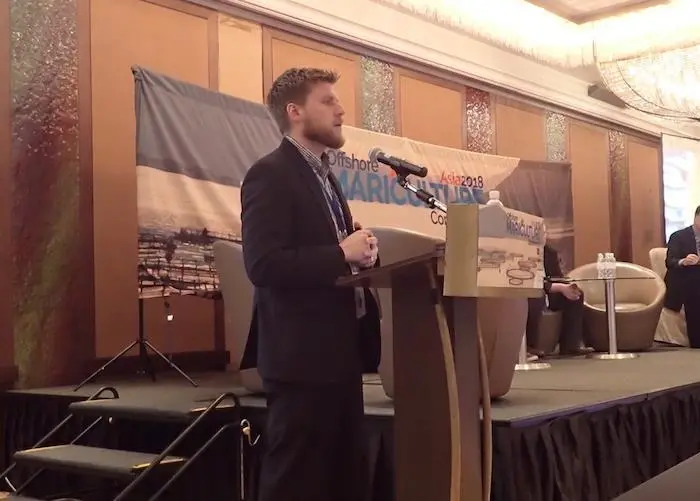
There are some technical challenges, such as net structure and maintaining that in extreme conditions but technical improvements are continuing, he said, and this will be a high capital investment for offshore aquaculture. There is also considerable progress in fingerling growth. As the production of fish in nurseries will become necessary as aquaculture moves into more dynamic environments, this is a positive sign. Mr. Lovatelli also referred to increased automation and the need to be aware of biodiversity to prevent disease outbreaks.
Matt Brooker of The Fishin’ Company started Session 4 by stressing the importance of setting up aquaculture systems to meet the markets, especially one as changing, dynamic and diverse as the US. In trying to facilitate growth towards offshore aquaculture, there are moves to first identify the markets, he said, and that is critically important to success.
“We have typical American families changing in geographic location and demographics and we need to find the right way to target them. In addition we have changes in generations, such as the millenial generation looking for different things to previous generations,” he said.
To ensure that seafood products arrive at the end consumer, retailer requirements, such as ensuring the certification of processing facilities, needs to be met. Another key question is how important is it that products are from a sustainable source? Certifications, according to Brooker, are key to ensuring success — if a product is not produced in facilities with high safety standards, it’s likely to miss out on a massive market.
GSSI certification in particular will be critical to benchmarking certifications and allowing for long-term sustainability within seafood. Traceability, for customers’ purposes, he continued, is an egg-to-plate solution in understanding where their products are coming from. It will be an expectation, over time, that that type of information is available.
This view was also echoed by the Vice President of the Global Aquaculture Alliance Steven Hart towards the end of Session 4. On discussing the role of third party sustainability certification programs in the future of marine aquaculture, Hart shared with the audience the reasons for certification (recognition of problems in the aquaculture industry), the need for them to be science-driven, and the need to talk to buyers, find out what they require and what they will want and need from you when working towards certification.
Among the most critical components moving forward are a biosecurity plan (outlining quarantine procedures) and record keeping (good detailed content). Hart closed with the four pillars of sustainability – food safety, social responsibility, environmental responsibility and animal health and welfare, on which GAA standards are based.
Related Articles
 AQUACULTURE
 AQUACULTURE
 SEAFOOD