

Offshore multi-use platform project, H2OCEAN
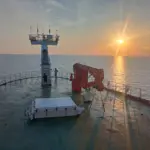
Fusion Marine has been selected to develop a design concept for an economically and environmentally sustainable multiple use open sea platform as part of the European Commission project H2OCEAN.
The multi-partner H2OCEAN project aims to develop a design proposition for an offshore platform that harnesses as many potential uses from the surrounding marine environment as possible, including renewable energy generation and integrated multi-trophic aquaculture production (IMTA).
Seventeen partners from five European countries are participating in the project. Fusion Marine, the Scottish based aquaculture equipment supplier and consultant, will focus its expertise in developing a design for an IMTA unit on the platform so as to achieve a natural balance in the management of the water area. Also involved in the aquaculture element are project manager Viking Fish Farms, the Scottish aquaculture research and experimental station; Chlamys, an Italian SME specialising in the ecology and environmental impact of aquaculture systems; and Sustainable Technologies, a Spanish engineering company involved in waste and biomass treatment.
The combined brief includes designing a system for the combined culture of finfish, seaweed and shellfish in a novel ‘ecosystem’ approach to marine farming. Seaweed, for example, reduces excessive nutrients in the water, which in turn will benefit other fish and shellfish being farmed. Incorporated into the design concept will be the facility on the platform to process the farmed seafood, including the implementation of biodigesters to handle and recycle waste products.
Three sites have been selected to develop and test the H2OCEAN design: a North Atlantic Ocean site, with energetic wave resource; a North Sea site, with excellent wind resource and requirement for an alternative aquaculture solution; and a Mediterranean Sea site, with relatively benign wind and wave resource, and a different aquaculture combination.
Specific combinations of the types of fish, shellfish and seaweed species to be cultured at each site have been determined and full production programmes developed (stocking levels, feed and growth rates, harvesting schedules, containment requirements, etc.).
The overall aim is to develop a conceptual model that will increase public awareness and inform different stakeholders of the potential advantages of the future development of offshore multi-use platforms. It is envisaged that the final design concepts will be completed later this year.
Related Articles
 FISHERIES
 FISHERIES
 WORLD FISHING EVENTS