



Thailand has taken some tough decisions in its efforts to reform its fisheries sector. The EU Yellow Card has been a wake-up call to Thailand and things have happened fast since the Royal Ordinance on Fisheries was enacted last year, although it remains to be seen how the catching sector will cope with quotas, licensing and VMS requirements that came into force only a few months ago.
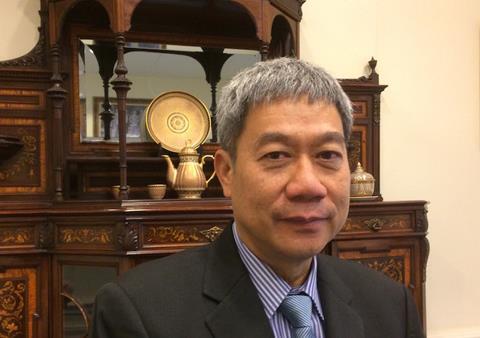
Dr Adisorn Promthep, the Director General of Thailand’s department of fisheries (DoF) is at the public face of the reform initiative. He accepts that tough decisions have been made and this is not going to be an easy process, although significant steps have already been taken that have been welcomed by much of Thailand’s fish industry.
Unlicensed vessels have been kept tied up and while the 26,000-strong artisanal fleet of vessels under 10gt has an overall quota, from 1st April this year 11,000 larger vessels were subject to new licensing and given quotas at the same time as new regulation came in for landing at registered ports and a stricter regime of monitoring landings and sales.
“The new laws also state clearly that we must fish according to MSY, and we have been in discussions with the European Commission which has helped us reach solutions in reducing capacity and reaching the MSY targets.”
TACs have been set at a level 10% lower than needed for Thailand’s MSY target, leaving a buffer in case of quotas being overshot.
“We want to be certain we’re not overfishing,” he said.
“We have anecdotal reports from artisanal fishermen that they are seeing less pressure on their fishing grounds now that the unlicensed boats have been taken out. The same applies to the larger operators who are satisfied that unlicensed operators are no longer competing. The price of fish products could go higher, but we have to do this. If we allow things to go on as in the past, we won’t have the fish at all,” he said and commented that he feels it unlikely that the processing sector will relocate to other countries with more lax regulation.
“We will know early next year if these changes were a good or a bad decision. Even if we exceed the TACs, we are still safe – but this needs long-term information. Slimming down the fishing industry has called for some hard decisions, but reform isn’t like building a house. It’s an ongoing process that takes place alongside environmental, societal and economic change.”
He added that all of this work comes at a price, and the Thai government has made available both funds and manpower to push through reforms, and there could be ASEAN funds also available for further support.
“We are overhauling the Department of Fisheries to bring it up to a higher level of efficiency. So government is investing in this, and the industry and the fishermen need to invest in the new system as well. We have a more level field of competition now, with no more free rides. In the long term this will increase competitiveness – and the overall objective is sustainable fisheries.”
The full interview with Dr Adisorn Promthep will be in the November issue of World Fishing