



The Parties to Nauru Agreement (PNA) has said that it is “deeply disappointed” with the failure by members to reach a solution on overfished bigeye tuna at the 12th Regular Session of the Western and Central Fisheries Commission (WCPFC) in Bali, Indonesia.
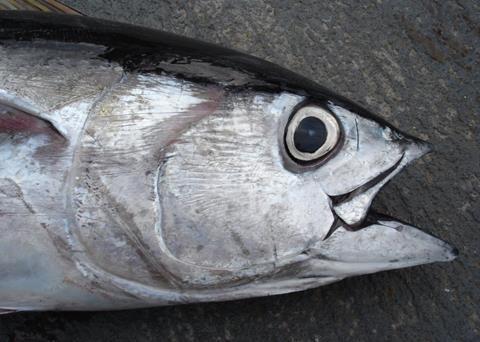
There will be no reduction in bigeye catches and no limit to the number of fish aggregating devices (FADs) that vessels can deploy.
PNA chairman Eugene Pangelinan said the Parties had presented a balanced package of longline and purse seine proposals for the meeting and they had received wide support for their proposals. However, no meaningful measures on bigeye, skipjack and yellowfin tuna were agreed.
"Already we are losing jobs because of this failure and we will lose more by our inaction every year to reduce bigeye mortality”, he said.
Mr Pangelinan commended the efforts of chairperson Rhea Moss-Christian in trying hard to get WCPFC members to come to some common ground, but said it was evident that certain distant water fishing nations were determined to derail the whole process.
PNA chief executive officer, Dr Transform Aqorau, said that despite the outcome on tropical tuna, PNA nations would continue to work through 2016 implementing FAD charging and FAD tracking, along with the longline Vessel Day Scheme.
"It will be back to the drawing board for us but we will be looking at hard measures also in our own waters as we may not get a measure for us here [in Bali],” he said. “But we have other ways to apply hard limits within our own exclusive economic zones and this is where our Vessel Day Scheme has proven to be a valuable tool for our members in terms of economic returns and managing fishing effort.”
Amanda Nickson, director of global tuna conservation for The Pew Charitable Trusts, said, “While the Commission made some progress in determining timelines for developing long-term management strategies, it is of great concern that member governments left this meeting with no agreement on how to end the continued overfishing of Pacific bluefin and bigeye tunas.”
Commission members also failed to adopt minimum standards to guide countries in the implementation of port controls, for the sixth year in a row.