



A newly restored estuary is giving juvenile salmon from throughout Puget Sound a place to feed and grow before they migrate to the open ocean.
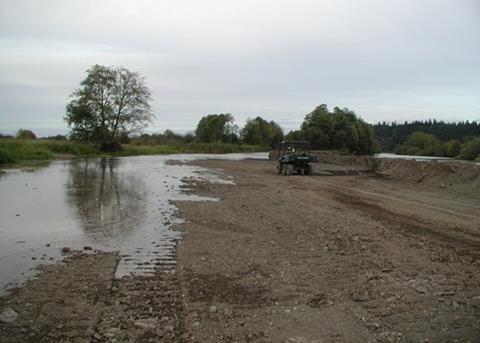
A mile long dike along the Nisqually River is in the process of being removed, allowing it to migrate naturally for the first time in a century: further, the Nisqually National Wildlife Refuge and Nisqually Indian Tribe are also engaged in reconnecting at least three tidal channels. “These channels are vital to salmon survival in the early part of their life cycle,” restoration biologist Florian Leischner said.
“We’re tracking a lot of benefits for salmon in the estuary since it has been restored,” added David Troutt, natural resources director for the tribe. “Our studies show than the young salmon are benefiting. The salmon that are coming into the estuary are finding the food they need here.”
It’s predicted that a restored habitat means more salmon will return to the Nisqually which will, amongst other things, benefit the local indigenous population: Georgianna Kautz, natural resources manager for the Nisqually Tribe said, “The right to harvest salmon that the tribe reserved in our treaty is meaningless if we don’t have salmon to harvest and the habitat to support them.”