



Europêche has met with various NGOs in the European Parliament to discuss the use of fish aggregated devices (FADs) and how to improve tuna fisheries management.
The meeting, which took place on 26 January, was hosted by Ulrike Rodust MEP and attended by socialist and democrat MEPs.
Javier Garat, president of Europêche, said: "NGOs such as Greenpeace have for some time been campaigning against FAD use without any scientific evidence that FAD use could lead to tuna overexploitation.
“What is not usually mentioned is that the actual threat for tuna stocks around the world is over capacity,” he added.
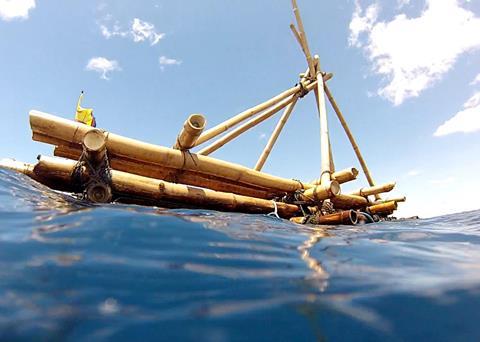
FADs are floating objects that have been employed for years to improve methods when catching ocean going pelagic species including tuna.
As NGOs suggested the removal of all FADs, the industry explained that this would shift existing efforts from skipjack tuna to yellowfin tuna, leading to the latter’s certain overexploitation.
Two main issues were identified by the NGOs as being problematic - the catching of juveniles and the catching of turtles or sharks as bycatch.
In response to this, the sector explained that natural juvenile tuna mortality is normally higher than its fishing mortality, which is the basic reason why tuna is so resilient to fishing pressure.
It was also explained that all fishermen are trained to safely release sharks, rays and turtles live. For example, in 2013 only 12 turtles in the Eastern Pacific were inadvertently caught out of a total of 280 purse seine vessels.
Mr Garat continued: “I am pleased that the NGOs have today recognised this fact and the impressive work and effort that the sector has gone to in order to make this fishing practice sustainable.”
He concluded: “FADs are used for the vast majority of the tuna purse seine fleet and support thousands of livelihoods of coastal communities all over the world. In fact, the majority of the recent tropical tuna catch came from healthy stocks and a high proportion of that came from fisheries using FADs."
Both NGOs and the sector concluded that there is a real need for more scientific data.