

Swedish, Finnish support
Sweden and Finland have been given €115 million and €71 million respectively in EU funding to help promote sustainable fisheries and aquaculture and stimulate innovation and growth.
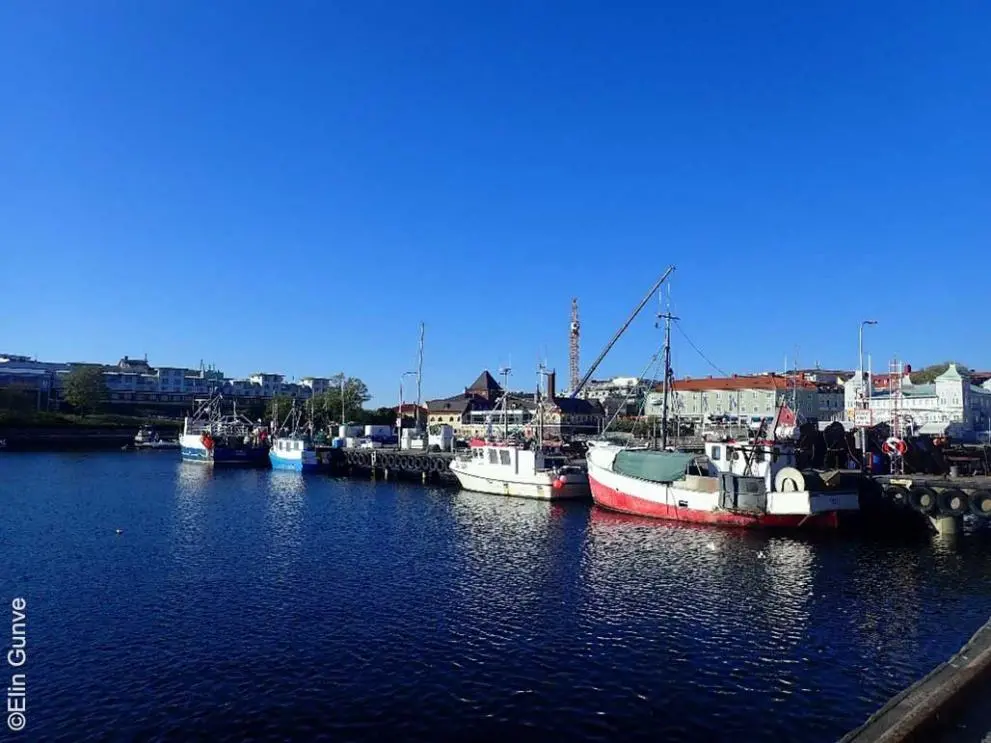
The European Commission has adopted the European Maritime, Fisheries and Aquaculture Fund (EMFAF) Programme for the countries and will implement the EU common fisheries policy and priorities outlined in the European Green Deal.
The total financial allocation for the Finnish programme 2021-2027 is €140.3 million over the next six years, of which the EU contribution accounts for around half. Sweden’s allocation is €231.6 million, again with the EU contributing around half.
“I am delighted to announce this new EMFAF Programme that will support sustainable investments in aquaculture and fisheries in Sweden and Finland, accelerating a green and digital transition of the sector. I am confident that the programme will safeguard the common fisheries policy and the marine environment, while supporting the industry’s resilience and profitability,” said Commissioner for Environment, Oceans and Fisheries, Virginijus Sinkevičius.
Aims and expected outcomes
The EMFAF aims to double Finnish aquaculture production and boost Sweden’s production by 71% by 2030. Sweden is adding a further €110 million in national co-financing, bringing total funding for aquaculture to €141 million.
In Sweden 55% of its EMFAF budget will be dedicated to scientific data collection and fisheries control and enforcement, 21% to sustainable fisheries and environmental measures, 12% will be invested in sustainable aquaculture and 6% in processing and marketing.
Finland will dedicate 33% of the total EMFAF allocation to environmental measures and investments and 20% to sustainable aquaculture. Endangered fish species will be protected by improving the selectivity of fishing and marine life will be better protected by the removal of lost fishing gear and marine litter generally. Coastal fishing communities will also benefit thanks to changes around local fishing permits for private waters and the recruitment of new fishermen.
Other goals for both countries are to protect marine biodiversity, promote sustainable practices, improve resilience and profitability and enhance the traceability and control of fish products.