



When data triumphs over death
A digital platform is helping salmon farmers in Norway make quick decisions and reduce mortality rates
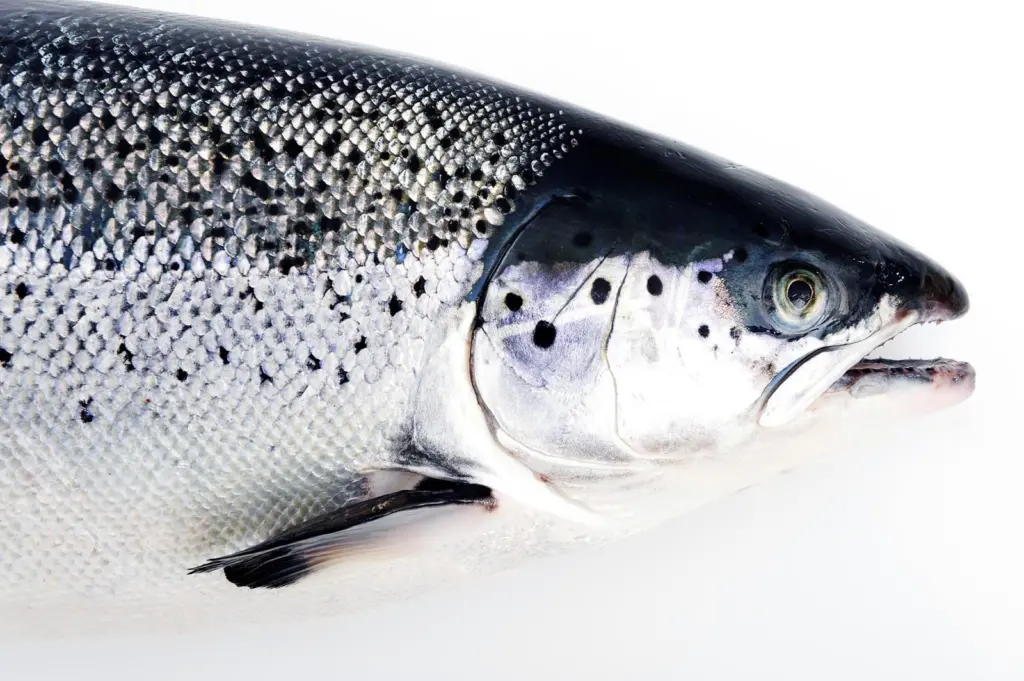
Mortality on fish farms is of particular concern and can lead to significant economic loss for producers. It also raises questions about the ethics and sustainability of the farm in question and of aquaculture as a whole.
These events tend to occur as a result of adverse conditions like algal blooms or disease outbreaks, or interventions such as deteriorating water quality, pathogen entry or parasite treatment. A deeper understanding of these can play an important part in monitoring and surveillance to inform farmers in advance and help them act accordingly.
In Norway, although at the lower end of the spectrum compared to other salmon markets, mortality rates on salmon farms have been alarmingly high. In 2021, around 54 million salmon died in cages. This represents 15.5% of the total Norwegian stock.
Amidst this, salmon farmer Lingalaks AS decided to take action. It joined forces with Norwegian and US software and data analytics firm Manolin by investing in Manolin’s Essentials platform. As a result, the company can now quickly and easily monitor fish health trends on a daily basis.
Today it’s aiming to avoid the major costs that mortalities bring to farmers and the industry, and to tackle larger issues surrounding fish health and welfare.
“In terms of protein production systems, salmon mortality rates are orders of magnitude higher than what we see for chickens and cattle,” said Tony Chen, Co-Founder and CEO of Manolin.
“Salmon is at the forefront of aquaculture, but it’s still behind other production systems, and mortality is an issue that’s also growing. Fish mortality causes significant financial losses to producers, more environmental impact from waste and higher resource use. It could be the result of decreasing nutritional quality or sea lice, which has also been increasing, along with the amount of treatment that has been used on farms.”
Informed decision making
Manolin’s Essentials platform provides a strong example of how technology and data management can play key roles in helping farmers make quick decisions and take necessary steps. It brings all farm data into one place, providing risk forecasts and analytical tools so that farmers can make smarter decisions on how to respond to particular issues on their farm.
Its role is to identify patterns and trends on a farm and enable an entire team to access relevant information. Hundreds of millions of data points are scanned every 15 minutes, alerting farmers when something’s not right and predicting such things as the early onset of disease.
Through the platform, farmers can also view mortality, feed and growth trends over time, compare different sites and cages and learn what went right or wrong. Historic farm data timelines and a map of real-time fish health across Norway are also available along with disease outbreak notifications and nearby treatment alerts.
Farmers can use the platform as part of their day-to-day workflow to better understand changes that occur across their sites.
41% mortality reduction
Lingalaks has seen significant results thanks to better data access. Performance analysis by Manolin shows that Lingalaks’ average sea lice values are the lowest in the last five years, and its two more recent generations’ mortality numbers were 41% lower than the previous average.
Lingalaks is now monitoring mortality rates every day, along with lice counts and feeding numbers and attributes the 41% to being able to take action more quickly than before, and having all farm information in one place. This helps staff to better understand the development of fish health over time.
“Driving down salmon mortalities by 41% is huge,” said Chen. “Companies like Lingalaks have been aggressively tackling sea lice over the last few years, and they are much better about how and when they deploy treatments.”
As far as the decrease in mortality is concerned, he explained that data access enables trends to be identified such as whether the fish can handle sea lice treatments, and they can make better decisions and act accordingly.
“Other decisions they’ve made have also had positive impacts, whether it’s feeding, vaccine or equipment choices. We like to think that from our side, helping them to identify smarter treatments has made a big impact, particularly when it comes to mortalities.”
Chen continued, “When you’re losing fish, small decisions that can be made, changes in the environment or in the way you’re raising your fish can have big impacts. So being able to make a split-second decision or having additional data to make a smarter decision is extremely important.”
For Lingalaks, the focus has always been on making sure that the entire team has access to these insights and information, not just one or two people in the organisation. They have been working to ensure that new technologies fit into the daily tasks of each employee.
“That has been key to enabling more collaborative decision-making,” he said.
Optimising data value
Chen believes that being able to prove the return on investment for farms and making operations easier for farmers will be key to getting aquaculture on board with data sharing and investing in technology.
While it’s clear that all farmers would benefit from sharing and understanding data, work is underway to get more access to the information that farmers need, and process and store it properly before presenting it back to farmers.
One of the challenges he and his team are working on is to make sure that all data are in the right formats and that no information is lost.
Making the platform more and more useful across an entire team is also important, due to people’s different roles within a company, the amount of time they have dedicated to specific platforms and the different types of work that they do.
Being able to support all those different needs is another aspect that Manolin is addressing, along with continuing to ensure data security.
Going forward, more tasks lie ahead for Chen and his team.
“Something else about salmon farming that is interesting to us is the generational shift in farmers, which has been accelerating over the last few years,” said Chen. “The first generation who started the farms have begun to retire and move out, and younger farmers are coming in. For us, continuing to help them make smarter decisions and improve the way that they raise their fish is going to be extremely important.”
Another thing they are “very curious to explore” is how treatments on farms can be reduced.
“Sea lice management is a huge issue when it comes to salmon farming in Norway and the overall trend is that treatments are increasing. We would love to see what the data say about how treatments could be reduced while improving the situation surrounding sea lice,” said Chen.
Related Articles
 PROCESSING & REFRIGERATION
 PROCESSING & REFRIGERATION
 PROCESSING & REFRIGERATION