





Miracle in the desert
Saudi Arabia started developing fish farming in the 1980s, but for decades the industry was hindered by a mix of infrastructural and environmental challenges. However, there are high hopes that big money and cutting-edge technologies could at long last turn the tide.
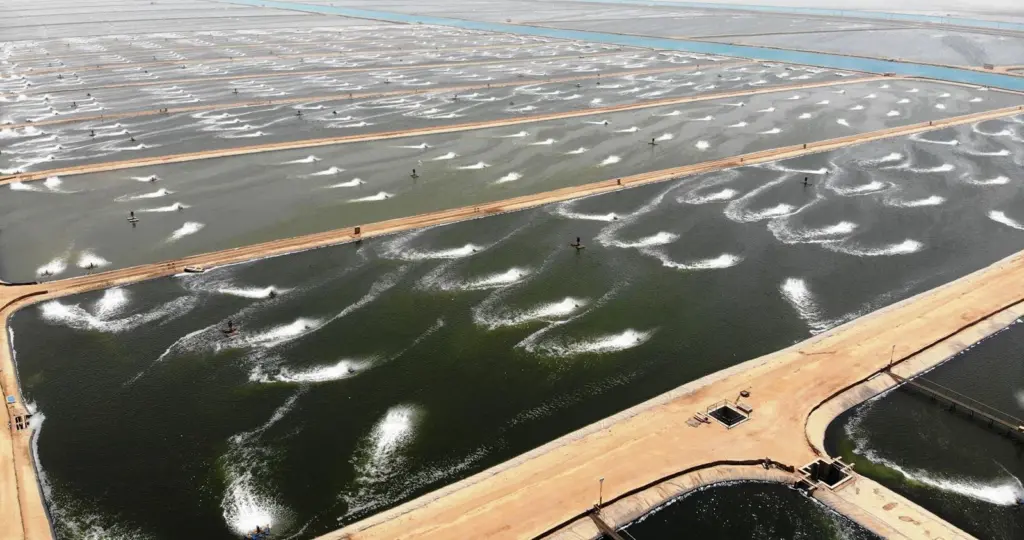
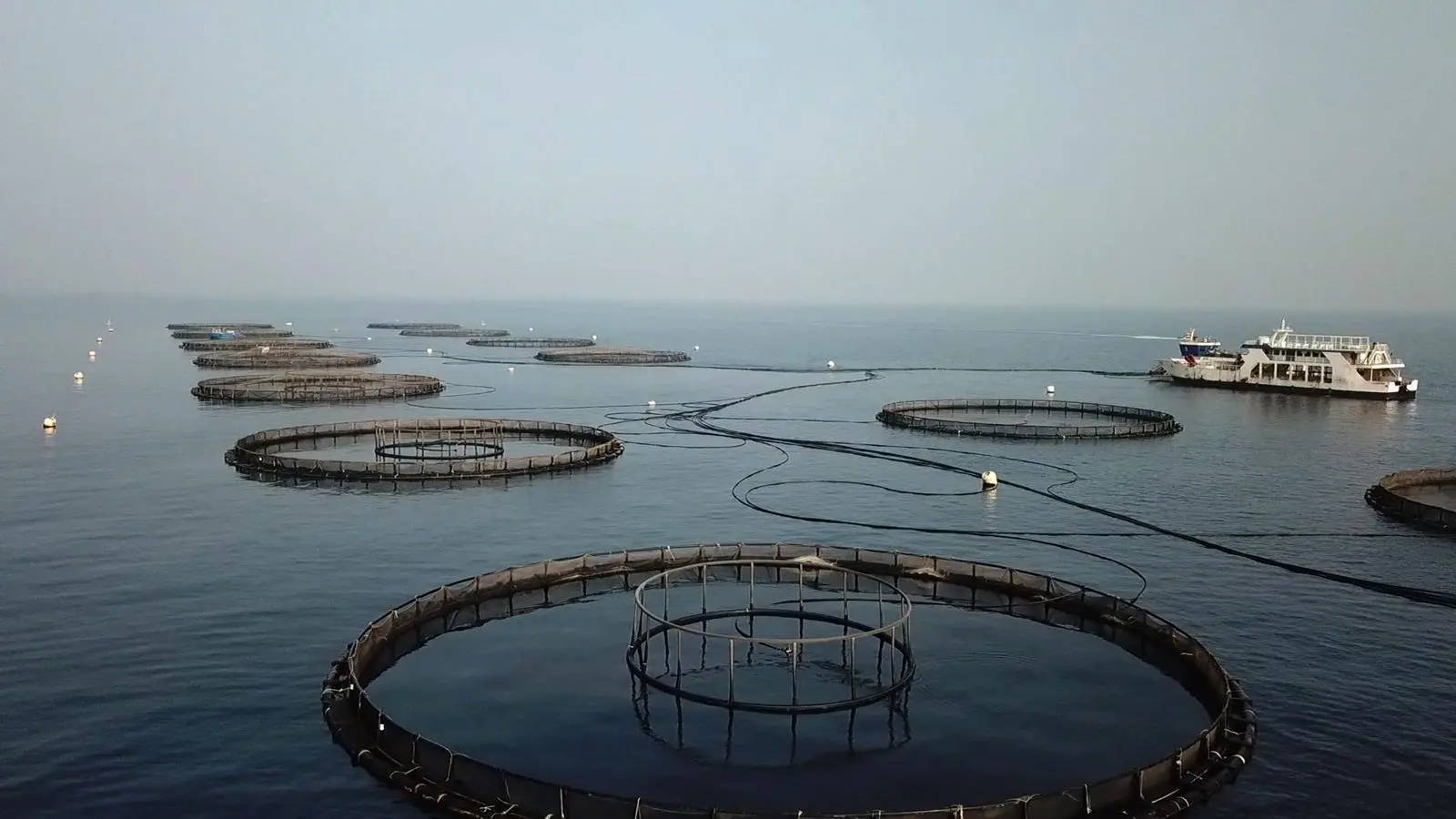
Under its current National Fisheries Development Programme, the government wants to boost aquaculture production in the kingdom from the current level of around 80,000 tonnes to 300,000 tonnes in 2025 and to 600,000 tonnes by 2030. Its plans stipulate that around 450,000 tonnes of fish are to be produced by marine cage farms in the Red Sea and the Persian Gulf. The rest should be provided by recirculating aquaculture systems (RAS) farms built across the country. Overall, the potential of the Saudi fish farming industry is estimated to be close to 1 million tonnes per year.
One of the main reasons for scaling up the growth of its aquaculture production is to bolster demand in the domestic fish market. Consumption currently stands at 11 kg per capita, which is about half of the world average. Furthermore, and similar to other countries in the Middle East, Saudi Arabia depends heavily on food imports, purchasing roughly 80% of all the food it consumes from abroad, including the lion’s share of the 300,000 tonnes of fish it consumes annually.
Under Saudi Arabia’s Vision 2030, the country is seeking to diversify its economy and move away from heavily relying on oil export revenues. The fish farming development programme is therefore designed to eliminate the reliance on imported fish.
Saudi Arabia is expected to achieve seafood self-sufficiency by 2026, according to Ali Al-Sheikhi, CEO of the National Fisheries Development Programme in Saudi Arabia. In addition, the growth in the fish farming sector is expected to push the overall value of fish exports to $270 million per year.
Greater product diversity
Currently, fish farmers in Saudi Arabia primarily raise whiteleg shrimp (Penaeus vannamei), Nile tilapia (Oreochromis niloticus), Asian sea bass or barramundi (Lates calcarifer) and gilthead sea bream (Sparus aurata). To fully meet the domestic demand, these farmers need not only to increase output but also expand the product range.
The development programme is not just limited to pumping investments into new production capacities. The key task is to establish relevant infrastructure – in order to solve some long-standing issues.
Al Sheikhi confirmed the industry battled numerous challenges in the past years, including weak demand for locally farmed fish products and poor efficiency of locally produced feed.
“Add to this supply chain disruptions, poor infrastructure, and a lack of hatcheries, fish feed factories and packaging plants. This means that the sector is left at the mercy of external suppliers,” he said, estimating that an unnecessary increase in production costs entails worsening control over the product quality.
The Saudi fish farming sector has also been suffering long from bureaucracy. Al Sheikhi explained that investors complain about delays in obtaining operational licenses from the national regulatory authority and also about unclear rules pertaining to state support measures in the sector.
“These factors eventually lead to difficulties in attracting investments and [slowing down] industry growth,” Al Sheikhi said.
Furthermore, the aquaculture sector experiences a looming threat of a freshwater shortage. Saudi Arabia is a desert country with no permanent rivers or lakes and very little rainfall. Indeed, the kingdom is believed to be one of the most water-scarce nations in the world, although the Saudi desert sits on top of some 500 billion cubic metres of fossil water – the country’s main freshwater source.
But some environmental models show that these reserves are rapidly depleting and could exhaust in the next few decades.
Meanwhile, in the background, the Saudi Ministry of Environment, Water and Agriculture recently announced that the kingdom has allocated 105 billion riyals ($28 billion) for new projects aimed at improving the water system in the country. The problems with fossil water could hamper the land-based segment of Saudi aquaculture.
Creating favourable conditions
To facilitate the fish farming sector’s development, Saudi Arabia announced in June this year that it had joined the Network of Aquaculture Centres in Asia-Pacific (NACA). Al Sheikhi said that by becoming a member of this organisation, Saudi Arabia intended to join forces with countries that produce more than 90% of the world’s aquaculture output.
The move is expected to encourage an inflow of foreign investments in the Saudi aquaculture sector. Over the past several years, the Saudi treasury has invested heavily in running researchers and creating comfortable conditions for private investors, including those from abroad, but the upcoming growth should be secured by private money.
Al Sheikhi confirmed that the country spent almost SR300 million ($80 million) over the previous three years on R&D: carrying out feasibility studies, measuring environmental impacts, identifying the suitable species to be cultivated, calculating feed consumption rates and for other purposes.
In addition, steps have been made to overcome challenges in the broodstock, feed and packaging segments so that potential investors “can just focus on production”.
Indeed, several new hatcheries have been laid down in Saudi Arabia over the past few years. For instance, Dubai-based Aqua Bridge has built a hatchery in Al-Lith, Makkah Province, for 3 million juveniles per year, primarily of seabream and seabass, eyeing to boost its performance to 10 million juveniles in the future.
“European seabream and European seabass are some of the most popular species for aquaculture projects in the region, and the localised production of their fingerlings further enhances their appeal for production in the Saudi aquaculture sphere,” the company said in a statement.
Aqua Bridge also stressed that locally produced broodstock is expected to have better quality and secure better gains and lower mortality rate compared to imported juveniles.
Local players with big ambitions
Currently, the largest aquaculture producers in Saudi Arabia are Tabuk Fish Co and Naqua. Both harbour large-scale development plans.
In 2020, Tabuk Fish Co inked a new agreement to launch a hatchery in the Saudi megacity Neom – a $500 billion futuristic project that will include a nature sanctuary, coral reefs, and heritage sites on around 50 islands off the Red Sea Coast. Under the agreement, the megacity should also house the country’s largest hatchery for 70 million fingerlings. The project is called to spur investors’ interest in fish farming in the Neom and beyond.
In early 2022, Neom rolled out plans to produce 80,000 tonnes of seafood per year. The initial stage envisages launching production at 22-hectare RAS facility designed to grow 12,000 tonnes of fish per year. In addition, the megacity expects production to begin at 2,500 ha of recirculating ponds and offshore and nearshore cage farms.
To secure a sufficient level of aquafeed supply, Neom’s developers plan to launch several insect and seaweed farms.
Naqua is believed to be one of the largest aquaculture companies in the Middle East. With a total investment to date of SAR 4 billion ($1.06 billion), it established large, fully integrated marine farms approximately 180km south of Jeddah, with the designed production performance 100,000 tonnes of shrimp, fish and sea cucumbers, though the actual production level is lower.
Currently, Naqua accounts for nearly 86% of Saudi aquaculture production, the company estimates. By 2030, its harvest is projected to grow to 250,000 tonnes, making it one of the world’s largest aquaculture producers.
Related Articles
 PROCESSING & REFRIGERATION
 PROCESSING & REFRIGERATION
 PROCESSING & REFRIGERATION