



Manmade ocean acidification will have profound impacts on commercial marine shellfisheries, even without a further increase of CO2 emissions, according to a new report.
The report claims that latest evidence shows that seawater chemistry is changing and only huge reductions of fossil fuel use and deforestation can help restore ocean health.
The new guide, 'Ocean Acidification: Questions Answered', states that ocean acidification is now happening 10 times faster than that which preceded the extinction 55 million years ago of many marine species.
If the current rate of acidification continues a wealth of marine life will be seriously damaged by 2050, suggests the guide.
Compiled by the Ocean Acidification Reference User Group (RUG) and drawing on the expertise of over 30 of the world’s leading marine scientists, the guide is being launched by Prince Albert II of Monaco at a meeting co-hosted by the International Union for Conservation of Nature (IUCN).
“Climate change may be all over the headlines, but it has an evil twin, caused by the same invisible gas carbon dioxide, with more measurable, rapid and seemingly unstoppable effects,” said Dan Laffoley, marine vice chair of IUCN’s World Commission on Protected Areas and lead editor of the guide.
“By answering the main questions people have about ocean acidification, we intend to break through the ignorance and confusion that exist, so everyone is clearer on what is happening and why this is a matter of the highest global priority.”
The guide states anthropogenic CO2 emissions can alter marine chemistry by increasing dissolved CO2 and decreasing ocean pH and carbonate ion concentration. Such a reduction in carbonate ions has great biological significance, since it can affect the rate at which marine organisms build their calcareous shells or skeletons.
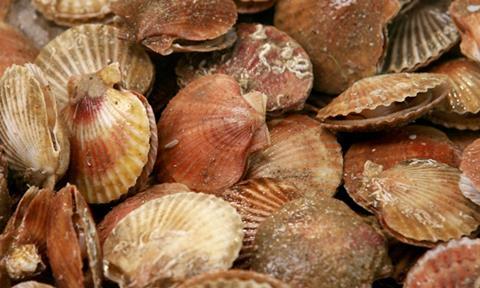
Laboratory studies suggest that molluscs, including commercially important species such as mussels and oysters are particularly sensitive to these changes.
RUG member Dr Tom Pickerell, director of the Shellfish Association of Great Britain (SAGB) added: “The SAGB is rightly concerned by the predicted impacts of ocean acidification on shellfish and shellfisheries. The publication of the guide demonstrates a clear and urgent need for action and should provide the rallying call for industry members to join the movement calling for change.”
Ocean acidification, as climate change, is happening everywhere but some parts of the world will be more rapidly and severely affected than others.
The Arctic Ocean will be the quickest to become acidified and hostile to a wide range of ocean life, particularly creatures with shells, according to the report. It claims the chemistry of one half of the Arctic Ocean will be changed by 2050 if CO2 levels continue to rise at current rates.