



A new pilot to test biodegradable FADs will take place in the Indian Ocean, with the aim of reducing the impact on the ecosystem.
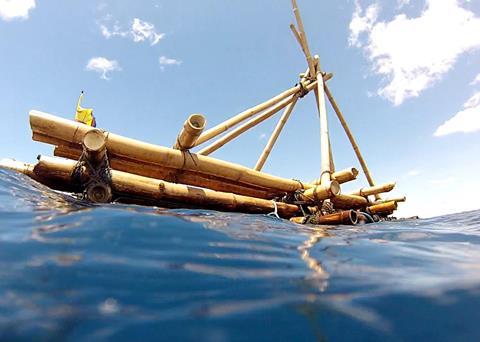
At least 100 of these FADs will be deployed by the Spanish high sea tuna purse seine fishing fleet to see how durable they are in real fishing conditions.
The research and development project for these biodegradable FADs began in 2015. The pilot will be carried out by OPAGAC members, in collaboration with AZTI and the ISSF.
The new FADs incorporate elements made from natural fibres such as cotton and linen, and different types of biodegradable plastic. This is in addition to the traditional materials of bamboo and jute. The aim is to strike a balance between being durable and having zero impact on the environment if they are lost of drift away.
“If with the previous generation of non-meshing FADs we managed to virtually eliminate bycatch of turtles and sharks, with new bio-FADs we meet the requirement of achieving durability and safety of these devices and remove their potential negative impact on the ecosystem," said to Julio Moron, OPAGAC manager.
"The analysis made finds the balance between a year-and-a-half compared to 10 or more years of durability in the case of the previous generation of FADs.”