


Scapêche and the Compagnie des Pêches Saint-Malo have been certified by the Marine Stewardship Council (MSC).
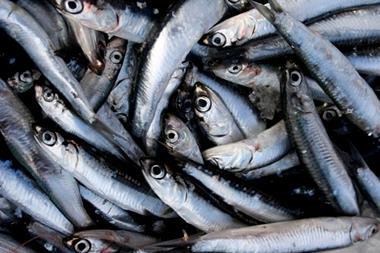
The certification relates to the saithe (Pollachius virens) fishery in the North-East Atlantic, North Sea, and Northern Norwegian Sea.
The two fishing companies are based in the Brittany region; Scapêche in the city of Lorient and Compagnie des Pêches in Saint-Malo. They entered MSC assessment more than 14 months ago, under the coordination of the National Association of Producers’ Organizations (ANOP).
The certification was conducted by the MacAlister Elliott and Partners Ltd (MEP) Certification Body, who appointed a team of independent scientists and experts. The evaluation examined the fishery’s performance against the three fundamental principles of the MSC standard: sustainable fish stocks, minimising ecosystem impacts, and effective management of the fishery.
As part of the certification decision, the fishery must undertake management action plans to improve understanding of the potential interactions between the fishery and non-targeted and protected species, such as the common skate. As required by the certifier, the two companies have undertaken to implement measures to ensure that their fishing activity is targeted accurately and to limit its potential impact. These include: onboard identification and registration of bycatch figures for protected species; information to employees on sensitive habitats; separation at auction; and detailed reports by independent onboard observers.
Welcoming the certification decision, Dominique Périer, President of Scapêche, said: “Saithe is one of our most iconic species. We have been developing a Sustainable Fishing policy since 2006, which has helped to engage our staff on issues such as good management of fish stocks, the wider marine environment, fishermen’s working conditions and our products’ freshness. This organisation-wide commitment is now further strengthened by the MSC program. The MSC certification is the logical extension of the dialogues we have already initiated with scientists, and it is now great testimony that our saithe fishing operations are sustainable."