





Massachusetts to fight seafood fraud
Massachusetts has introduced new legislation to address the growing problem of seafood fraud – a decision applauded by Oceana.
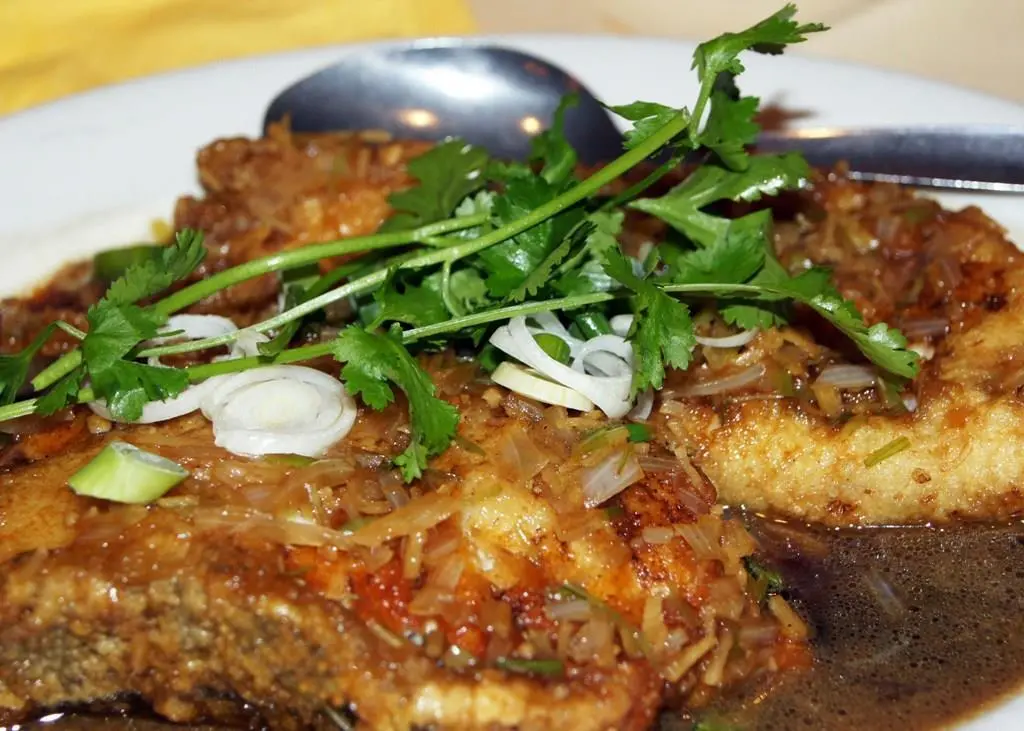
If passed, the bill would prohibit the sale, import and export of escolar within Massachusetts, and sets stronger fines for venues selling mislabelled Atlantic cod, Atlantic halibut, grey sole and red snapper. This bill also allows state agencies to inspect seafood to ensure accurate labelling.
Oceana campaign director Beth Lowell said, “Seafood fraud not only cheats consumers, but also hurts honest fishermen, suppliers and retailers along the seafood supply chain. Increasing fines for mislabelling for commonly swapped species is a good first step in deterring seafood fraud by creating a disincentive to sell mislabelled fish.
“With the widespread amount of escolar, a fish with unpleasant side effects, masquerading as white tuna, it is not surprising that the state of Massachusetts decided to take action. This species substitution not only dupes consumers but could also send them home with an upset stomach.
“Solving the problem of seafood fraud requires full traceability from boat to plate to ensure that the seafood sold in the US is safe, legal and honestly labelled. Our recent seafood testing in Los Angeles, Miami and New York City revealed that seafood fraud is not a Massachusetts-only issue. Seafood fraud is widespread and needs national attention.”
Related Articles
 FISHERIES
 SEAFOOD
 SUSTAINABILITY