


Korean fisheries need reform, claim NGOs
An extensive investigation by NGOs Advocate for Public Interest Law (APIL) and the Environmental Justice Foundation (EJF) have led to demands for Korea to make some substantial reforms to fishing industry practices, based on evidence of frequent physical and verbal abuse suffered by migrant workers in Korea’s distant water fleet.
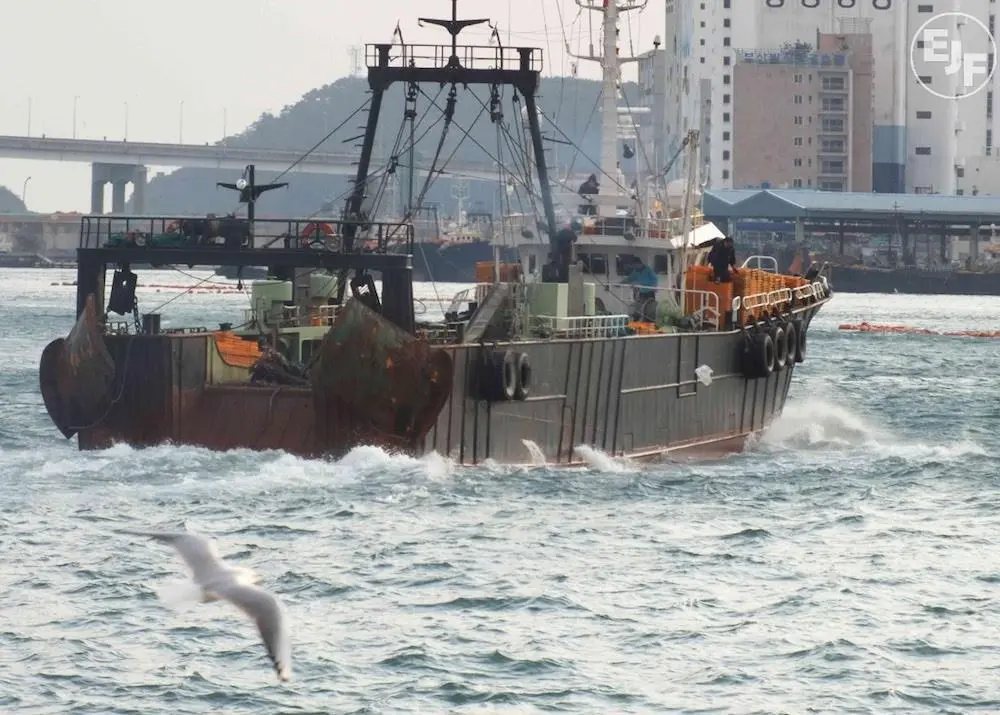
APIL and EJF want to see urgent reforms designed to address the issues described by former crew, claiming that the Korean government must make a firm commitment to transparency in the sector with measures that include ratification of the ILO Work in Fishing Convention (ILO C188), a new inspection regime conducted by officials trained in adopting a victim-based approach, and the mandatory installation of cameras on vessels to monitor what they catch.
According to APIL and EJF, 29 of the 40 vessels that were under investigation are authorised to export production to the EU and UK, with crew of those vessels alleging violent attacks and illegal activities, including intentionally targeting marine mammals.
On one such vessel there were reports of violent attacks on migrant workers, claims of up to 20-hour working days and illegally caught and processed seals and walruses.
“Many of the vessels whose former workers alleged human rights abuses are certified to export to EU and UK, and Korea exports tens of millions of dollars worth of seafood to the USA every year,” said APIL’s Attorney JongChul Kim.
“Companies and countries across the world should take urgent action to ensure that they are not funding human rights abuses in their seafood supply chains. At the same time, the government of Korea should immediately improve its regulations and enhance monitoring of distant water fishing vessels, including through ratifying ILO 188 and introducing regular labour inspections.”
54 Indonesian former crew were interviewed by APIL, and more than a quarter reported experiencing physical abuse, with 63% witnessing verbal abuse. All but two of those interviewed were made to work more than 12 hours a day without a break, with over half working in excess of 18 hours a day. Almost all reported that passports were confiscated and wages deducted at the start of contracts to disincentive to escape.
In addition to the abusive treatment of crew, a third of the vessels are alleged to have been involved in illegal fishing – operating in unauthorised areas and targeting marine mammals.
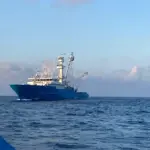
According to APIL, these alleged abuses took place under virtually zero government oversight. Longliners spend the most time at sea, travel the furthest and fish the longest hours, according to research conducted at the University of California, Santa Barbara. Vessels regularly remain at sea for over a year, and in some cases over 18 months, without calling at port. Labour inspections are almost never conducted on the rare occasions when vessels return to Korea, and there are no Korean labour inspectors assigned to overseas ports.
APIL and EJF state that among the vessels on which abuses are report to take place, the majority are licensed to supply European markets and in 2018 seafood worth $39 million was exported to the US.
“This means there is a risk that seafood caught by abused workers is finding its way to supermarket shelves across the world. Retailers and suppliers must urgently review their supply chains to ensure that they eradicate any trace of human rights abuse or illegal fishing,” EJF stated, adding that over the last ten years, Korea has been formally warned by the EU on one occasion and the USA on two occasions to address IUU fishing by its fleet.
Related Articles
 FISHERIES
 FISHERIES
 FISHERIES