



Kinki and Clean seas extend tuna breeding success
Kinki University of Japan – acknowledged as a global aquaculture leader for its artificial spawning and cultivation of Pacific bluefin tuna – has lent its experience to another aquaculture pioneer with extraordinary results.
A Memorandum of Understanding established between Kinki University and Australian aquaculture pioneer Clean Seas Tuna in 2008 has seen the company successfully close the Southern bluefin tuna seedling production cycle only two years into its breeding program with the help of Kinki University scientists.
Since February 2009, four groups of highly qualified Kinki University scientists have visited Clean Seas’ operations at Arno Bay, near Port Lincoln, South Australia to assist with the successful completion of the SBT seedling production cycle.
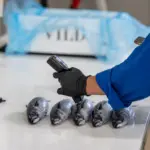
In March, Clean Seas successfully closed the SBT seedling production cycle for the first time. Healthy stocks of fingerlings up to three months old are now being held at the company’s onshore breeding facility at Arno Bay and the company plans to commence commercial production of artificially bred SBT later this year.
Kinki University’s involvement with the Clean Seas SBT breeding program allowed breeding challenges such as cannibalism and tank wall collisions to be overcome quickly. Similarly, the Japanese team’s experience contributed to high survival rates and fast-tracked the weaning of SBT juveniles from hatched larvae to raw fish or formulated diets.
Both Kinki University and Clean Seas scientists agree that the breeding program has been a major success, with even a small number of juveniles at the first attempt at SBT seedling production being considered as an outstanding performance.
The scientists believe the world-first SBT seedling production will provide the opportunity to establish sustainable aquaculture of this important species, which will develop the worldwide aquaculture industry and eventually reduce the pressure on natural stock of this species.
Related Articles
 FISHERIES
 FISHERIES
 WORLD FISHING EVENTS