




Oceana welcomes the establishment of an official register of Italian vessels authorised to catch Mediterranean swordfish but warns that much more is needed to secure the recovery of this long overfished stock.
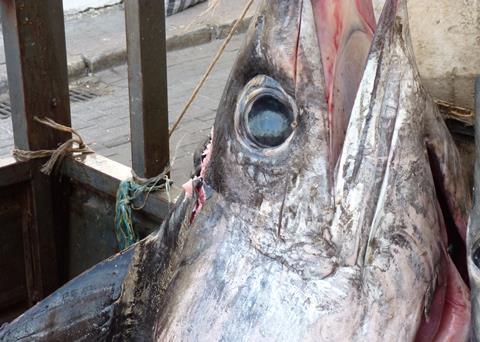
In 2015, Italy reported a fleet of over 8,400 vessels targeting Mediterranean swordfish, representing more than 40% of all the international fleets fishing in the Atlantic and Mediterranean Sea, however the new register has exposed this figure as heavily inaccurate.
Lasse Gustavsson, executive director of Oceana in Europe, explained: “We are happy that Italy, a major Mediterranean swordfish fishing nation, has finally established an authorised list of vessels based on declared catches, although the list of 849 vessels confirms the fleet was overinflated by almost 10 times in 2015.”
“The real problem is the systematic overfishing of swordfish. Italy can take the lead in the development of a recovery plan with catch limits based on reliable data which can rebuild a healthy stock and make a sustainable fishery possible. Sustainable fishing puts more fish on our plates and more jobs in the fishing industry - overfishing is bad for everybody,” he added.
Mediterranean swordfish has declined by about two thirds from the early 1980s and 2013 witnessed the lowest ever recorded total annual catch. Despite the worrying situation, illegal fishing is still widespread and Oceana believes that the latest management measures issued by the International Commission for the Conservation of Atlantic Tunas are largely obscure and ineffective.
Oceana calls on EU institutions and member states to halt Mediterranean swordfish overfishing by adopting a recovery plan which regulates the fishery in a transparent and effective manner. The plan must set total allowable catches, adjust fishing opportunities reflect the actual fleet capacity, enforce surveillance and adopt larger size limits to avoid catching juveniles.