



The International Seafood Sustainability Foundation (ISSF) has launched the Make the Commitment project, the next phase of its effort to transform tuna fisheries.
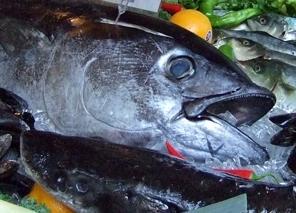
The global improvement plan addresses the sustainability of the three most common methods of tuna fishing: purse seine, longline, and pole and line.
The Make the Commitment project, a Global Improvement Plan for Better Practices in Tuna Fisheries, recognises that rather than abandoning fisheries with flaws, stakeholders should work to facilitate advancements. ISSF is calling on fishers, processors, governments and conservationists to put their strengths to work for the most commonly fished tuna species – skipjack, yellowfin, bigeye, and albacore.
“Purse seine fisheries are where our partners can have a real impact, and fast. Most of the catch supplies the processed market and there are relatively few large-scale vessels, so our efforts can be focused and effective. Participating companies have already pledged to begin working with their suppliers to meet the deadlines in this plan, which will reduce environmental impact and build capacity for long-term programs simultaneously,” said Susan Jackson, President of ISSF.
The complete Global Improvement Plan is now available for download. Specific tactics include:
- Across-the-board retention of bycatch in order to improve data and eliminate waste
- 100% observer coverage (human or electronic) onboard vessels in order to ensure best practices and responsible fishing
- Work to foster the creation of markets for bycatch
- Mandates on longline fisheries to institute best practices in mitigating bird bycatch, improved hook technology and turtle release education
- The development of management programs for baitfish fisheries for pole and line baitfish
ISSF will also build an online database of vessels adopting best-in-class practices, develop training courses for observers and skippers and lead the creation of a universal global vessel monitoring system.
However, in response to this news, Greenpeace Oceans Campaigner Sari Tolvanen said:
“The ISSF is side-stepping the issue of sustainable fishing once again. The environmental case for ban on the use of fish aggregation devices (FADs) in tuna purse seine fisheries is clear - anything less is an unnecessary distraction, driven by short-term profit over instead of the future health of the industry and the oceans.
“Greenpeace continues to expand its international campaign to encourage responsible fishing by calling on major tinned tuna brands and retailers to prohibit the use of purse seine FAD caught tuna from their suppliers.”
She added, “It’s clear from the ISSF action plan that it is keen to make changes to the tuna fishing industry, but its policies are too heavily influenced by the tinned tuna CEOs sitting on its board. The ISSF would be better off listening to the growing number of customers that demand sustainably caught tinned tuna and to progressive retail industry leaders like Princes, Sainsbury’s and Tesco that have already committed to delivering it.”