





IPNLF and ISSF launch pole-and-line guide
A new handbook detailing science-based best-practices for maximising catch value and also minimising the environmental impacts of these fisheries is jointly published by and the International Pole & Line Foundation (IPNLF) and the International Seafood Sustainability Foundation (ISSF).
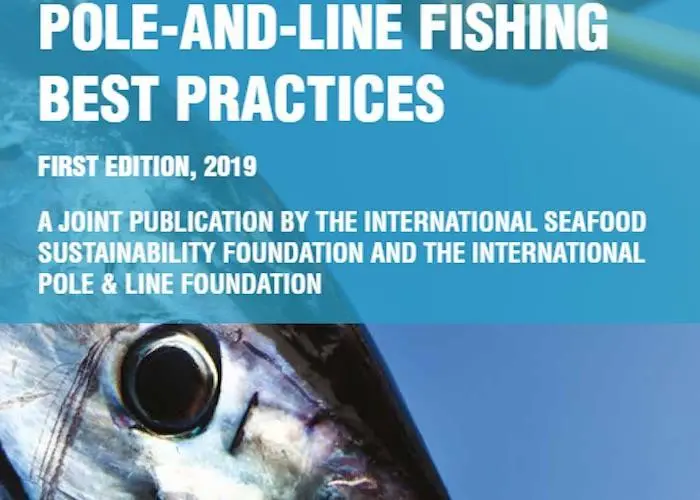
The Skippers’ Guidebook to Pole-and-Line Fishing Best Practices has been written by fishermen, marine scientists and pole-and-line experts. Aimed at one-by-one fishing operators and fishery stakeholders, the guidebook offers practical advice on conducting these artisanal tuna fishing operations – from capture to handling and storage methods.
Subjects covered by the guidebook include tuna species targeted by pole-and-line fisheries, fishing operations in pole-and-line tuna fishing, tuna catch handling and storage, and baitfish catch methods, management, and utilisation in pole-and-line fisheries.
“ISSF is committed to the long-term conservation and sustainable use of global tuna fisheries. That commitment drives the publication of the ISSF Skippers Guidebook series for longline and purse seine vessel fishers, as well as our observer guidebook – sharing best practices with those stakeholders on the front lines of the collaborative work toward sustainable fisheries,” said Dr Victor Restrepo, Vice President of Science at ISSF.
“Having expert advisors on our respective science committees in common, ISSF is pleased to partner with the International Pole and Line Foundation in expanding such science-based guidance to the pole-and-line sector.”
The Skippers’ Guidebook to Pole-and-Line Fishing Best Practices is available online from ISSF and IPNLF.
Related Articles
 FISHERIES
 FISHERIES
 WORLD FISHING EVENTS