


International gear workshop agree on new forum for deepwater stock
An international workshop investigating the impact of lost nets and traps on marine stocks has endorsed a code of practice for European gill-net fisheries and called for the setting-up of a forum to investigate the impact on deepwater grounds.
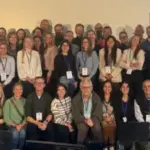
The two-day meeting, held near London and organised by Seafish, was the culmination of five years of European supported research investigating the extent to which lost nets continue to catch fish and other marine life.
Most of the delegates were fishermen who had been advising the teams of researchers. They came from Spain, Portugal, France, Sweden, Norway, the USA and the UK.
Research has been able to demonstrate that in most European fisheries lost nets and traps pose no significant problems for the conservation of fish stocks, but in some fisheries, most notably the southern Baltic Sea and in waters greater than 200m in depth, lost gear can continue to catch fish.
Workshop
The workshop looked at examples from around the world where efforts have been made to minimise the problems of lost gear and reduce the conflict between the mobile and static gear sectors.
A Canadian gillnet management scheme aroused the greatest interest amongst delegates and led to them endorsing a version suitable for European gillnet fisheries. Measures agreed included:
* Only setting the amount of gear that can be handled regularly and efficiently.
* Marking gear properly, including the identity of the vessel.
* Paying close attention to weather patterns and not setting gear when poor weather is expected.
* Ensuring that gear is set in such a way as to avoid conflict with other users, and take appropriate precautions when fishing in areas of high marine traffic.
* Always carrying net retrieval gear aboard.
* Always attempting to retrieve lost gear and reporting its loss where possible.
* Delegates recommend strongly that trawled-up gillnets and other gears should not be dumped back into the sea — a practice which is in any case illegal.
Impacts
The group also addressed the issues raised by deepwater fisheries and acknowledged that there is little systematic information on the areas fished and effort exerted. There is, however, plenty of evidence of conflict between static and towed gear.
It is also clear that gear lost in deep water can continue to fish for many years.
The fact that much of the effort takes place in waters outside European and national jurisdiction means that any effective management regime would have to involve international bodies like North-East Atlantic Fisheries Commission (NEAFC).
Related Articles
 FISHERIES
 FISHERIES
 WORLD FISHING EVENTS