

Shifting aquaculture’s currency to green
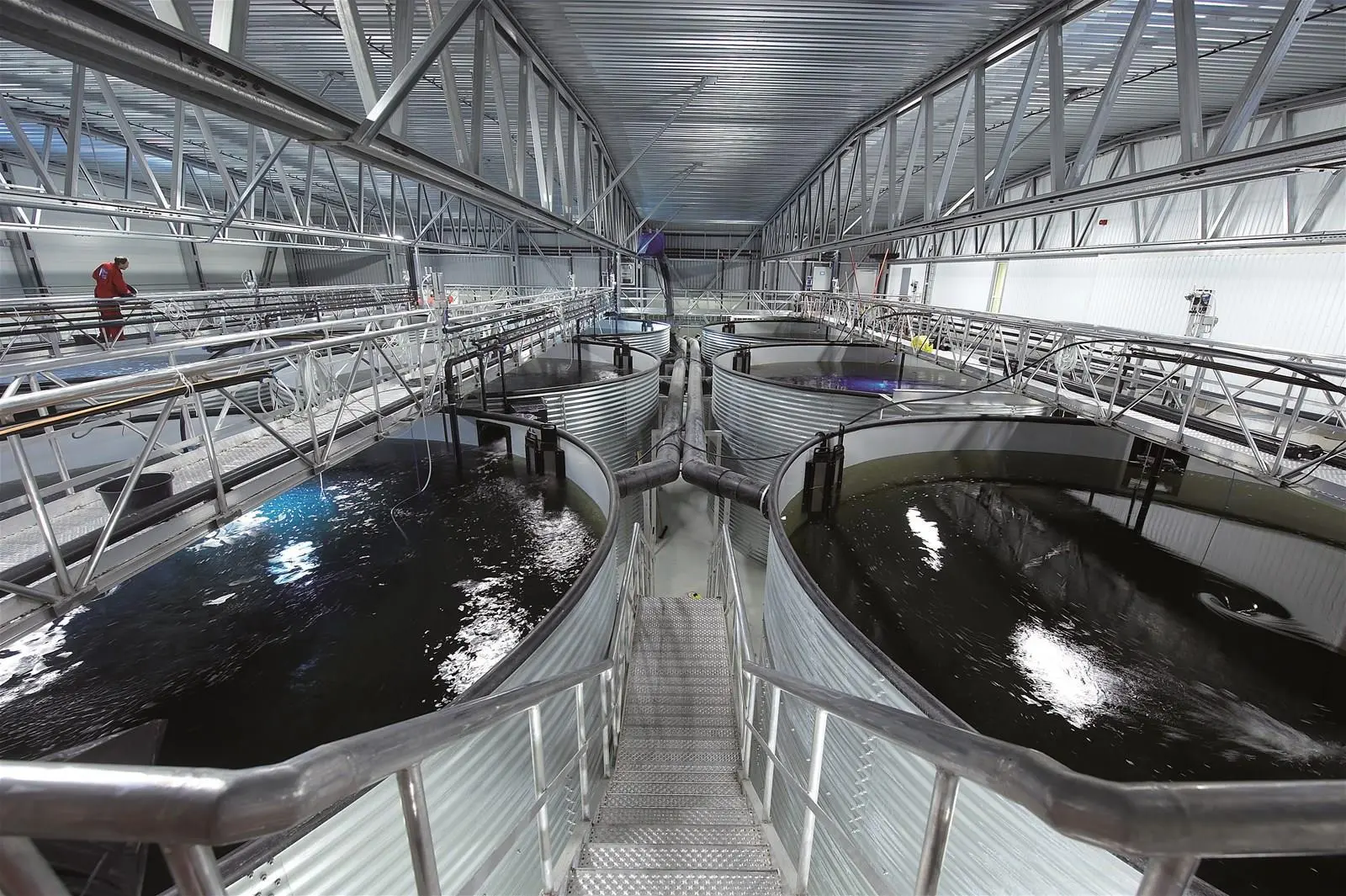
Globally, a lot of excitement is being generated by recirculating aquaculture systems – or RAS – as a means of fish and food production, with countless new facilities now in production or in the planning stage. Even in Europe, where the total aquaculture output hovers just above very modest 1.3 million tonne level, RAS is the subject of a fast-growing number of investments.
A key reason for this interest is that RAS offers a means to overcome many of the obstacles that have long hindered the advancement of European aquaculture – things like but not limited to lengthy licensing procedures, considerable regulatory red tape and weighty environmental opposition.
Speaking at the recent EUMOFA Talk, ‘Impact of new aquaculture technologies: growth potential in the EU’, Jacob Bregnballe, RAS expert at the AKVA Group, stated that the big benefit of recirculation aquaculture is that it offers fully-controlled conditions.
“That gives you exact production planning because you know how fast your fish or shrimp will grow. It also offers high biosecurity, saves on water use and allows discharges from the farm to be controlled.”
On the flip side, “it’s damn expensive to build a RAS facility; you need a lot of capital. And then once you have built it, it costs a lot of money to run,” he said.
As far as Bregnballe is concerned, the “real strength in RAS is growing big fish when they are still small”. This is because juvenile fish have high growth rates compared to getting large fish to market size, perhaps adding 2.5% of their bodyweight per day, compared to a larger fish’s 0.5%.
“The reality on the ground is that the production of small fish for further on-growing has been proven to be a success by such sectors as salmon, trout, seabass and seabream farming. But the production of market-size fish is really hard to make profitable,” he said.
Harmonised farming
Alongside RAS and given the right circumstances, integrated multi-trophic aquaculture (IMTA) is another concept that’s been identified as having potential in Europe’s evolving, greener food landscape.
Currently, European aquaculture practices are focused on the monoculture of single species, while IMTA is a form of polyculture that requires the growing of two or more species together and for those species to be complementary, Frank Kane, aquaculture expert with Ireland’s Marine Institute, explained.
Zane said that although there’s no one ideal IMTA system, the concept must comprise three elements. First, there’s aquaculture and the farming of aquatic organisms like fish and shellfish; second is the multi-trophic element with other species coming from a different level of the food chain so that the nutrients can pass between the different levels being farmed; and third is the “key” integrated element with the species needing to be linked in a biological way with complimentary functions within the ecosystem.
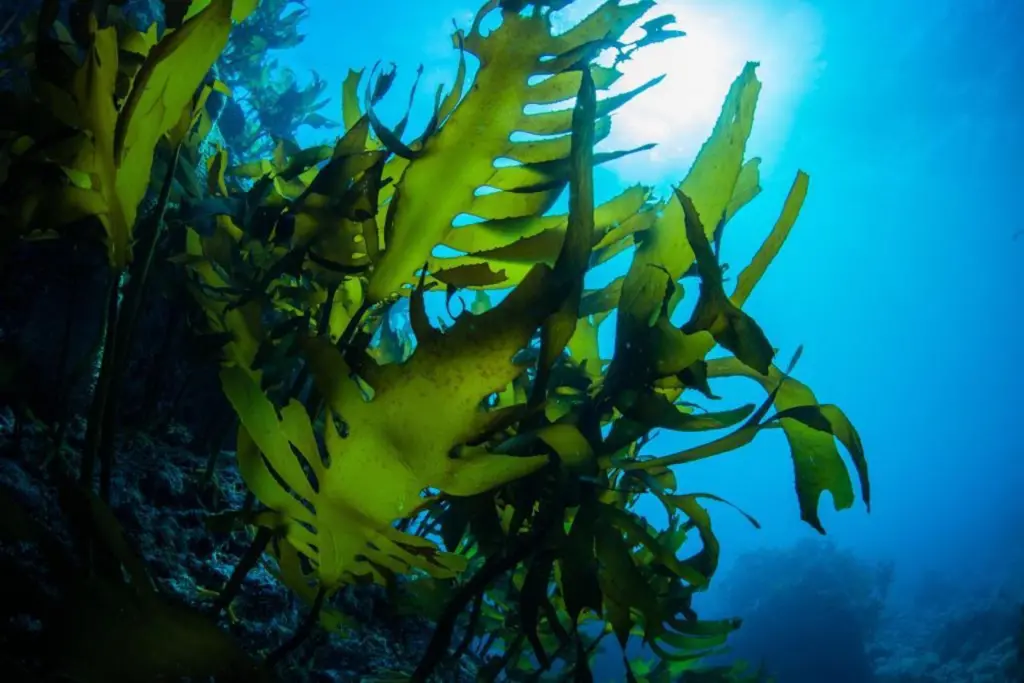
“The idea is that the organic and inorganic waste from one species serves as nutritional inputs for others. For example, filter feeders like oysters and mussels take out particular waste as food, using it to grow, while seaweed and other plants in the water filter nutrients using those to grow. This model reduces negative elements and environmental impacts, and instead generates positive outcomes from the aquaculture process.
“IMTA is mimicking the natural interaction in the ocean with animals and plants living in a circular ecosystem.”
“The species being farmed must be chosen well and they must be complementary to each other – driving benefits from the arrangement, and the set up should be advantageous to both the farm and the environment,” Zane said.
Ecosystem value
Like RAS, there are multiple benefits to IMTA. As well as allowing more biomass to be achieved from the same farming area, it creates greater diversity for farmers, with more saleable products reducing risks and increasing profitability while providing the scope to deliver year-round crops. It’s also a more efficient use of labour.
From a broader perspective, it increases biodiversity and provides a habitat for a wider variety of species. In turn, this has the potential to make aquaculture more socially accepted amongst the buying public.
Again, like RAS, IMTA has its challenges. These are largely economic, operational and regulatory, Zane confirmed. “There’s an imbalance of income potential between the different trophic layers, with fish being more profitable than seaweed, for example. This is a significant barrier to the concept.
“Also, having other trophic levels adds complexity to the farm set-up, with farmers usually being experts in just monoculture systems. It also adds cost and effort.”
Potentially casting shadow all these pros and cons, the one key benefit that makes IMTA worthwhile doing in the aquaculture sector is bioremediation – the production of other organisms that use contaminants in the farming system as food.
This is the major ecosystem service that IMTA provides, Zane said. However, because the concept is more of an environmental model than an economic one a change in culture is required.
“For ecosystem services to be a driver we need to be putting value on the ecosystem service of bioremediation of lower trophic species. This will be a key element in progressing the concept of IMTA.
“In many cases, seaweed has a lower economic value compared to finfish production, but changing the currency from economic value to ecosystem services and environmental benefits sees these species offer real potential for the future.”
Practical application
For IMTA to work from a production perspective, Zane suggests the focus should be on designing IMTA farms and being IMTA farmers rather than adding species to existing systems and remaining fish or shellfish farmers. The designs should also consider each stock equally.
“The potential is for production experts to work collaboratively so that a finfish producer, a shellfish farmer and a seaweed grower could all work on one site rather than try and learn new expertise.
“This also provides scope for an IMTA product that goes beyond organic,’ he said.
While there are have been few incentives to get people together to do that, the new strategic guidelines for a more sustainable and competitive EU aquaculture sector adopted by the European Commission in May 2021, propose specific actions to make progress in key areas including RAS and IMTA, Birgit Van Tongelen of the European Commission/DG MARE aquaculture team told the EUMOFA Talk.
These identify the EU aquaculture has “great scope” for further diversification towards new species, particularly non-fed and low-trophic species like molluscs and herbivorous fish, and new production methods. There’s also the opportunity to deliver new processed and ready-to-use products that appeal more to younger consumer groups, she said.
To support the guidelines, the Commission is setting up a new EU Aquaculture Assistance Mechanism. As well as developing guidance documents, consolidating best practices and helping the implementation of both, a website that’s expected in May this year will provide an accessible knowledge-base for all stakeholders. Also included here will be all of the latest legislation and a database of all good practices.
“The Commission has also started to support the diversification to low impact production methods and is now in the process of revising draft national strategy plans for aquaculture that member states have to prepare for the period 2021 to 2027, including ensuring that diversification to low impact methods are definitely included as much as possible.”
She added that the same goes for the operational programmes that members states are preparing in order to receive funding from the European Fisheries and Aquaculture Fund.