

Iranian fish production in the shadow of sanctions
Despite the detrimental impact of sweeping Western measures imposed over Iran’s nuclear programme, the government has ambitious plans to near double its fish production. And while a lack of access to critical technologies and foreign markets has hurt, it hasn’t crippled the industry.
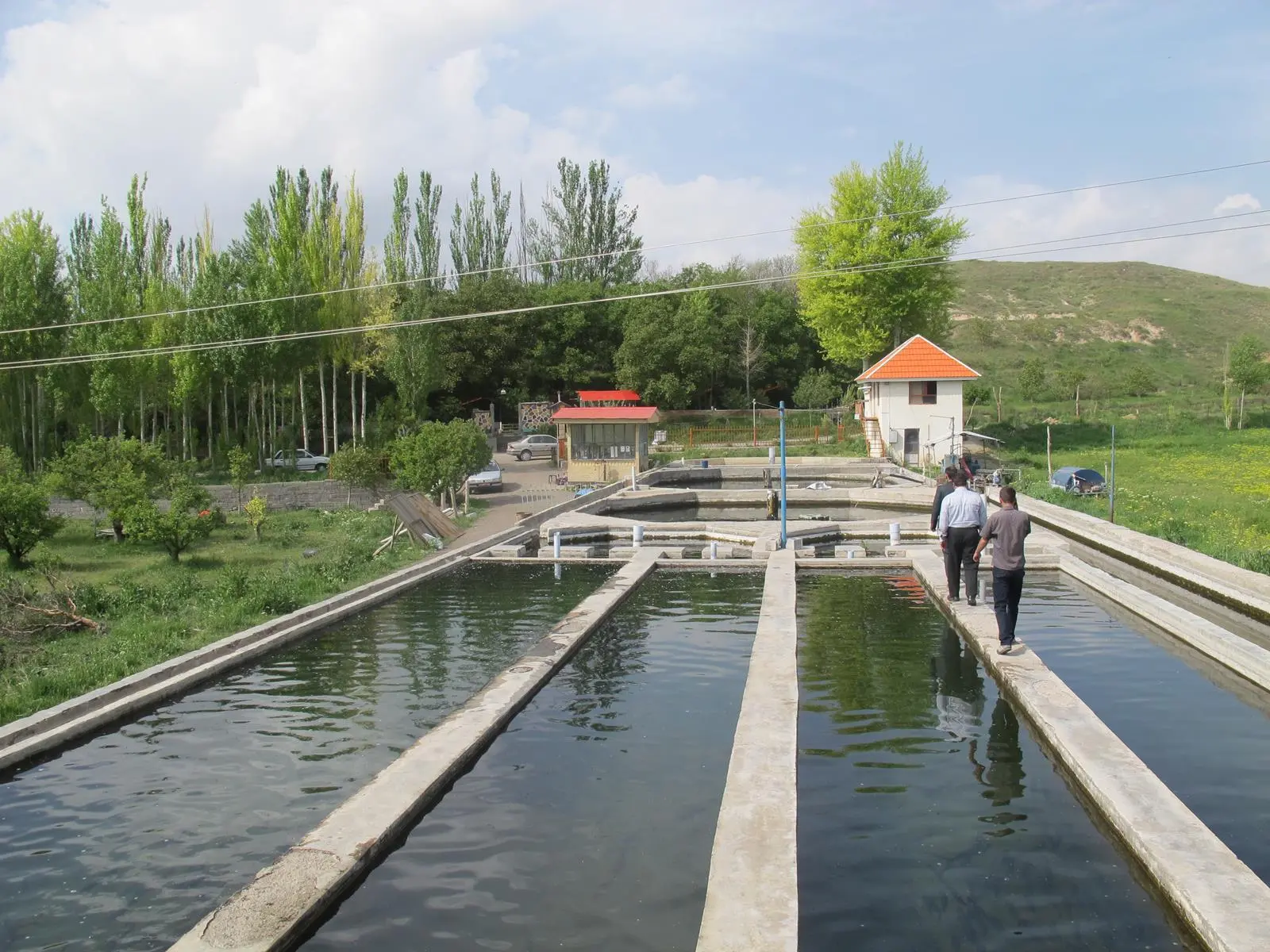
Iran’s fish industry is standing firm despite external pressures, according to Seyed Hossein Hosseini, Deputy Minister of Agricultural Jihad and Head of the Iran Fisheries Organisation. In a recent press conference, Hosseini said the country’s aquaculture production is estimated at 1.25 million tonnes and fisheries production at 1.46 million tonnes per year, while recent studies by Iranian scientists had indicated the combined production could be boosted to a level of 4.5 million tonnes per year, and the authorities have a clear vision how this volume can be achieved.
Building cage farms along the 8,800 km (5,468-mile) coastline is seen as the first and primary step in ramping-up the production performance, Hosseini said.
In the past, the development prospects of cage farming have been hindered by a lack of technologies, as Western companies, including equipment suppliers, usually only do business with Iranian clients through schemes involving a chain of intermediates in third-countries, which implies big risks and huge costs.
However, as Hosseini pointed out, that issue has been largely solved, as 85% of the technologies used in cage farming have been localised in Iran. As a result, in the 1401 Iranian year, which ended March 2023, the number of cage farms in operation in the country tripled, reaching 357. Their combined production performance is estimated at 35,000 tonnes per year.
The trend is picking up, as Iranian authorities expect the cage farm sector’s output to jump to 500,000 tonnes in several years, Hosseini estimated.
However, Iran still lacks hatcheries to purchase broodstock and heavily relies on imports in this segment, he noted, admitting that securing the supply of broodstock in sufficient quantities is associated with challenges.
Embracing the reality
It’s recognised that Iranian government officials have a habit of downplaying the impact of Western sanctions on the economy. Market players, on the other hand, concede the fishing industry is among the economic sectors that felt the heavy brunt of the restrictions.
Ali Akbar Khodayi, Secretary of Iran Aquatic Production and Trade Union, underscored the “brilliant achievements” of Iran’s fishing industry in the past few years but emphasised it “would be in far better condition if not for the heavy shadow of sanctions.” He confirmed it is being hurt in several ways. For example, Iranian companies are denied the right to participate in the world’s main industry exhibitions, including the annual Seafood Expo Global (SEG) in Barcelona, Spain.
In recent years, Iranian companies have tried to circumvent this restriction, taking part in such events under the titles of companies registered in other countries and not mentioning their Iranian origin, Khodayi said.
On the other hand, the problems Iranian businesses face in the West are, to a certain extent, compensated by strong ties with other economies. According to Khodayi, Iranian fish companies traditionally have a strong presence at the world’s largest China exhibition in Xindao City and in St Petersburg, Russia.
But Khodayi also noted Iranian fish exporters face the challenge of collecting payments for delivered goods, as the transactions are associated with certain risks, and clients often demand substantial discounts when dealing with Iranian fish suppliers.
This is tightly linked to another obstacle, as Iranian authorities are limited in their ability to negotiate favourable access to the key markets. Khodayi said that while the government managed to secure tariff preferences for markets like China, South Korea and Russia, supplies to Europe, the most promising market for Iranian fish, still face numerous hurdles.
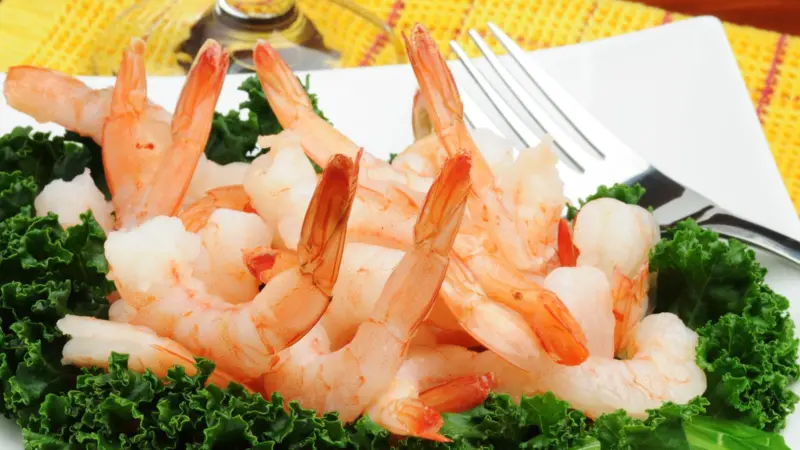
To illustrate how sanctions impact foreign sales, Khodayi said Europe now accounts for just 0.1% of Iranian shrimp exports. In comparison, before the sanctions were imposed, over 50% of foreign sales of Iranian shrimps landed in Europe.
Export hopes
In recent years, Iranian officials have increasingly pinned hopes on exports, as domestic consumption has little potential for growth. Indeed, rampant inflation has decimated the purchasing power of the 89 million Iranians in the last few years and business unions have determined that red meat consumption almost halved over the past year, and poultry consumption dropped by nearly 30%.
There are various estimates of how much fish is consumed in Iran. Reza Behramlu, head of the Hamedan Agricultural Jihad Organisation, estimated that in 2024, the per capita consumption will be 12 kg. Other reports put this figure as low as 8.9 kg. Nevertheless, all institutions looking into this subject admit a downward dynamic. As a result, some products like caviar and shrimp have already become almost purely export commodities.
In a statement in 2022, Hosseini estimated Iran could boost the value of its seafood exports nearly fourfold to $2 billion in the foreseeable future. However, amid Western sanctions, Iranian authorities have had to resort to hard currency rationing to keep the wheels of the national economy in motion. Today, seafood exports worth around $600 million per year, alongside hydrocarbon exports, are one of the critical sources of hard currency for the state treasury.
Over the past several years, Southeast Asia accounted for 75% of Iranian seafood exports, and further hopes are placed on this region. According to Khodayi, exports to Russia and the countries of the Eurasia Economic Union, a trade bloc of five post-Soviet countries, were also on the rise. In contrast, deliveries to neighbouring Middle Eastern countries showed a mixed dynamic.
Expanding offshore operations
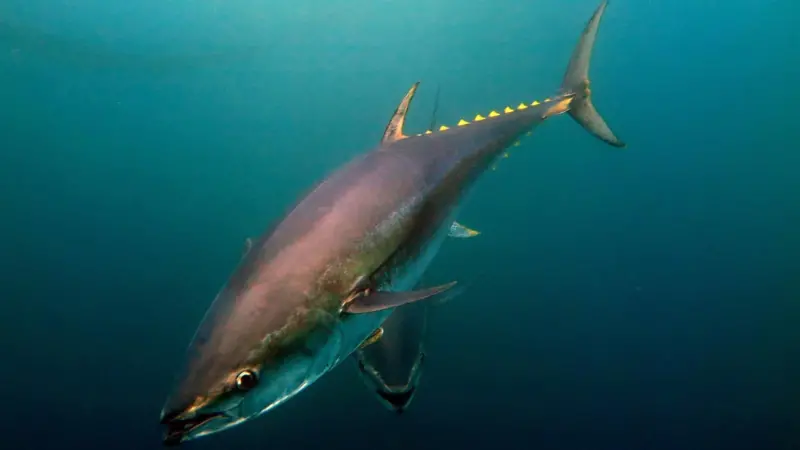
Under the plan drafted by the Iranian Fisheries Organisation, fisheries production is expected to more than double, reaching 2.6 million tonnes by around 2030. Iran catches fish in the Caspian Sea, the Persian Gulf, the Sea of Oman, and the international waters of the Indian Ocean.
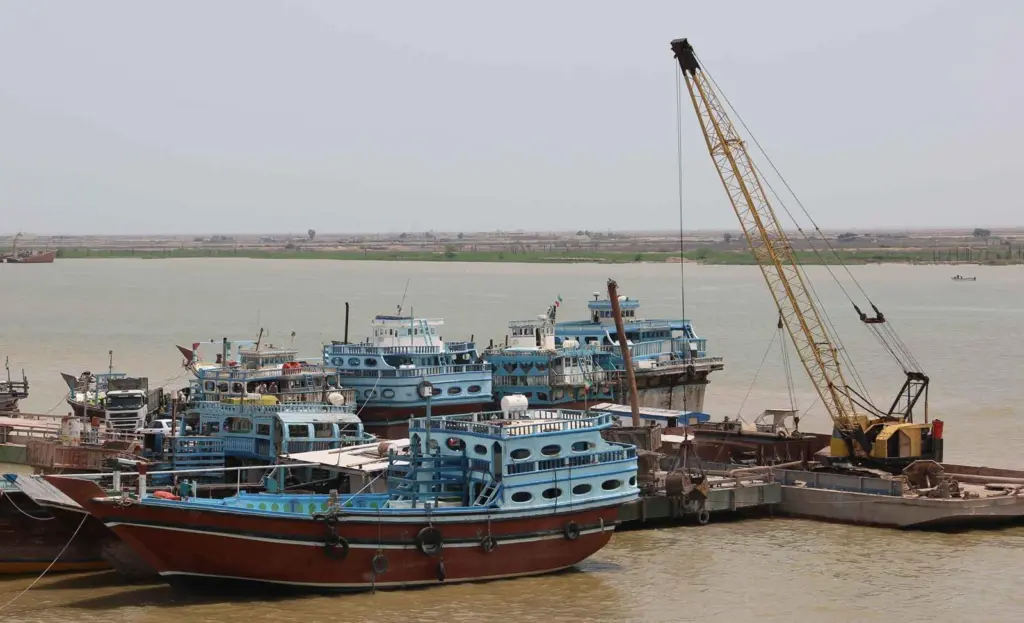
The Iranian fishing fleet comprises 11,500 vessels, but over the years some of these have been accused of operating without authorisation in the exclusive economic zones of countries like Yemen and Somalia.
In 2021, Iran embarked on a five-year fishing fleet modernisation plan, under which vessels over 20 years were to be replaced. The plan was mainly designed for the barges that make up a lot of the coastal fishing fleet. Meanwhile, the government estimates the total number of fishing vessels engaged in offshore operations to be between 800 and 1,000.
To-date, though, Iranian officials haven’t provided any details on how the country plans to ramp up fish catches. In earlier statements, authorities pointed towards offshore fishing, as catches in the Iranian exclusive economic zone had reached a ceiling. However, Iran’s potential to expand its fishing fleet remains questionable. The country lacks access to Western fishing gear and has a limited shipbuilding capacity. Furthermore, building ships at foreign yards is associated with sanctions risks, plus it requires substantial investments.
The Iranian fish industry has shown surprising resilience in the face of Western sanctions in the past, but it is yet to be seen whether the ambitious growth plans drafted by the authorities for the fishing and aquacultural sectors can be realised.