


Exploring probiotics for better aquaculture – inside and out
Probiotics offer untapped potential for fish and shrimp farmers to keep aquaculture systems in balance through nature-based technology that can be used to improve conditions in and around aquatic species, writes Julie Holmquist of Cortec Corporation and Tonya Decterov of Bionetix.
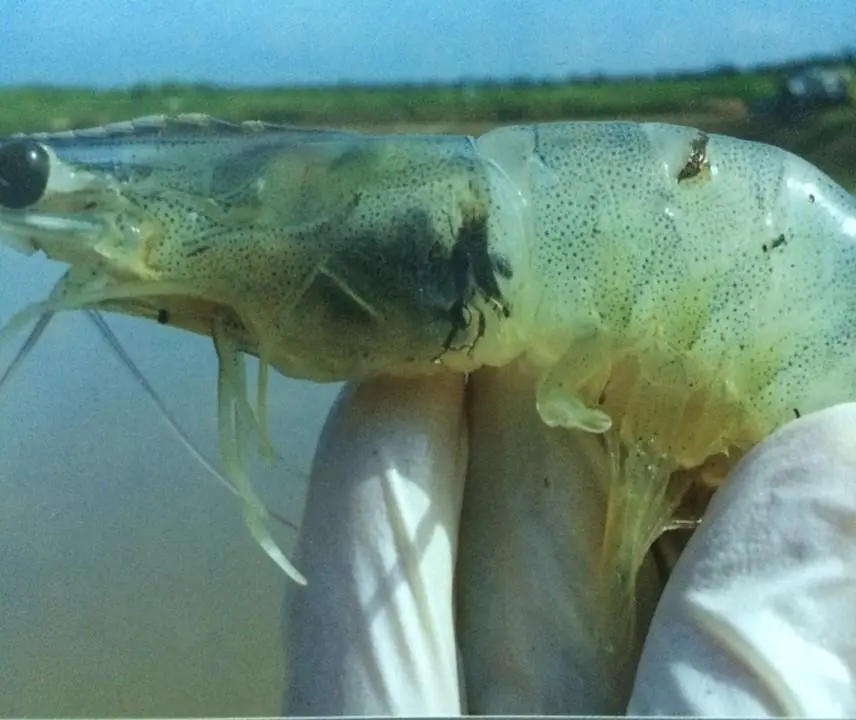
Densely populated fish farms are a breeding ground for disease, which can incur significant costs through fish die-off or simply the preventative measures that need to be taken. In the past, antibiotics were heavily relied on, but, due to concerns about negative impacts, they have given way to more reliance on vaccines instead.
A third option is probiotics, first explored for human use and health benefits in 1908 and applied to animal feed in the 1970s. These beneficial microorganisms feed on organics such as fats, proteins and starches, creating enzymes to aid in their digestion. When located in the intestines of aquatic species, these enzymes can theoretically help fish and shrimp digest their food better to maximise the nutritional value received.
Improved digestion and nutrition can, in turn, lead to healthier weight gain and more efficient feeding for a better feed conversion ratio. This can make it easier for fish farmers to avoid overfeeding, which is one source of water quality problems due to excessive nutrient and organic loading.
GI hotel: “No vacancy”
In addition to promoting healthier digestion and weight gain to help fish better withstand the effects of stress, probiotic feed additives have other inherent qualities that can help species resist disease. For instance, probiotics leave less space for pathogenic microorganisms to occupy.
The GI (gastrointestinal) tract is the largest of three entry points for pathogens. However, because probiotics attach themselves to intestinal walls, they leave fewer “vacancies,” so to speak, for pathogens to take advantage of, meanwhile competing for nutrients and leaving less “food” for pathogens to survive on. A variety of research also indicates that probiotics may promote a better immune response. Such beneficial results have led researchers to believe that probiotics could be a good supplement or alternative to antibiotics and vaccines.
Taking advantage of commercial feed additives
While more research needs to be done to understand the exact mechanisms by which probiotics encourage better fish health, this does not prevent fish farmers from trying commercially available probiotics firsthand to see if they improve their own aquaculture results.
One excellent option is AQUA-FEED, a feed additive from Bionetix International that contains a rich combination of seven non-pathogenic microorganisms, including several Bacillus strains, Lactobacillus acidophilus, and Saccharomyces cerevisiae. It is also rich in β-glucans, mannan-oligosaccharides (MOS), and additional enzymes.
In addition to promoting a healthy GI tract, a side benefit of AQUA-FEED is that it can also improve water clarity by breaking down excess feed waste that could otherwise create cloudy, nutrient-polluted water or add to sludge buildup. Since probiotics are ingested into fish destined to become part of the world’s food supply, they typically must be certified in the country where they will be used. With AQUA-FEED, this is usually done on a case-by-case basis as clients and countries are added.
Bionetix has received certification in two South American countries, is currently working on the process in Canada (which should lead to renewal in Vietnam) and is ready to assist clients who want to advance the use of probiotics in aquaculture in other regions.
Improving external factors – water quality
While adding probiotics to fish feed is a promising means for supporting species’ internal health, external factors also influence the ability of aquaculture to flourish. Key to this is water quality. Clearer water promotes better oxygen exchange for the health of the fish. In aquaculture, the delicate ecosystem balance is more difficult to maintain in cultivated fishponds than in the wild. For example, while some algae can have a symbiotic relationship with pond life by taking up excess nutrients and producing oxygen, too much algae can cause serious problems such as robbing oxygen and releasing damaging levels of ammonia during a sudden algae die-off event.
Unfortunately, fish farms are an excellent place for excess algae to flourish as abundant fish and feed waste contribute to nutrient-rich waters.
Fish and feed waste are also sources of ammonia, which can be toxic to fish life. According to a publication by the Southern Regional Aquaculture Center (SRAC), total ammonia is higher in the fall and winter, and levels of toxic ammonia rise with higher temperatures. SRAC points out that fish can die off quickly when levels of toxic un-ionized ammonia reach 0.6 mg/L (ppm), although species’ health can be impacted at only 0.06 mg/L (ppm).
It recommends avoiding overfeeding as an important means of preventing excess ammonia problems, a good reminder of the potential benefits of probiotic feed.
Removing nutrient pollution and ammonia
Another strategic way to improve water quality is to add probiotics directly to the aquaculture tank or pond. Bionetix BCP54, a probiotic wastewater treatment designed to accelerate the breakdown of organic waste and other toxins, is well-suited to this. The microorganisms of BCP54 fight nutrient pollution by consuming excess nitrogen and phosphorus, two key drivers of dense algae growth. Without the nutrient overload, algae have less reason to proliferate excessively.
The microorganisms of BCP54 also reduce ammonia, sludge, and (indirectly) H2S levels, helping prevent fish off-flavours and improve the pond cleanout process. At the same time, BCP54 does not take away from the oxygen in the pond because it contains its own oxygen source.
Another helpful way to deal with excess ammonia is to use a bio-converter. Typically, nitrification is a two-step process that relies on nitrifying bacteria to convert ammonia to nitrite and nitrite to nitrate. The next step is nitrogen removal by denitrification, the conversion of nitrates to nitrogen gas.
A bio-converter such as BCP655 can enhance the ammonia and nitrogen removal process by performing denitrification and removing excess BOD (which is toxic to nitrifying bacteria). In addition, the bacteria strains in BCP655 use nitrogen for growth without having to convert these nitrogen-containing substances into another form first. Some strains in BCP655 can also be involved in nitrification.
Probiotic field trial
The practical effects of probiotic treatments – both internal and external – for fish are seen in a trial performed several years ago at an industrial fish farm in Brazil. Some of the common challenges are sludge buildup and water contamination, requiring cleaning and water replacement at the end of the growing cycle. Rain can also cause pond stratification problems, lowering dissolved oxygen and increasing stress on fish.
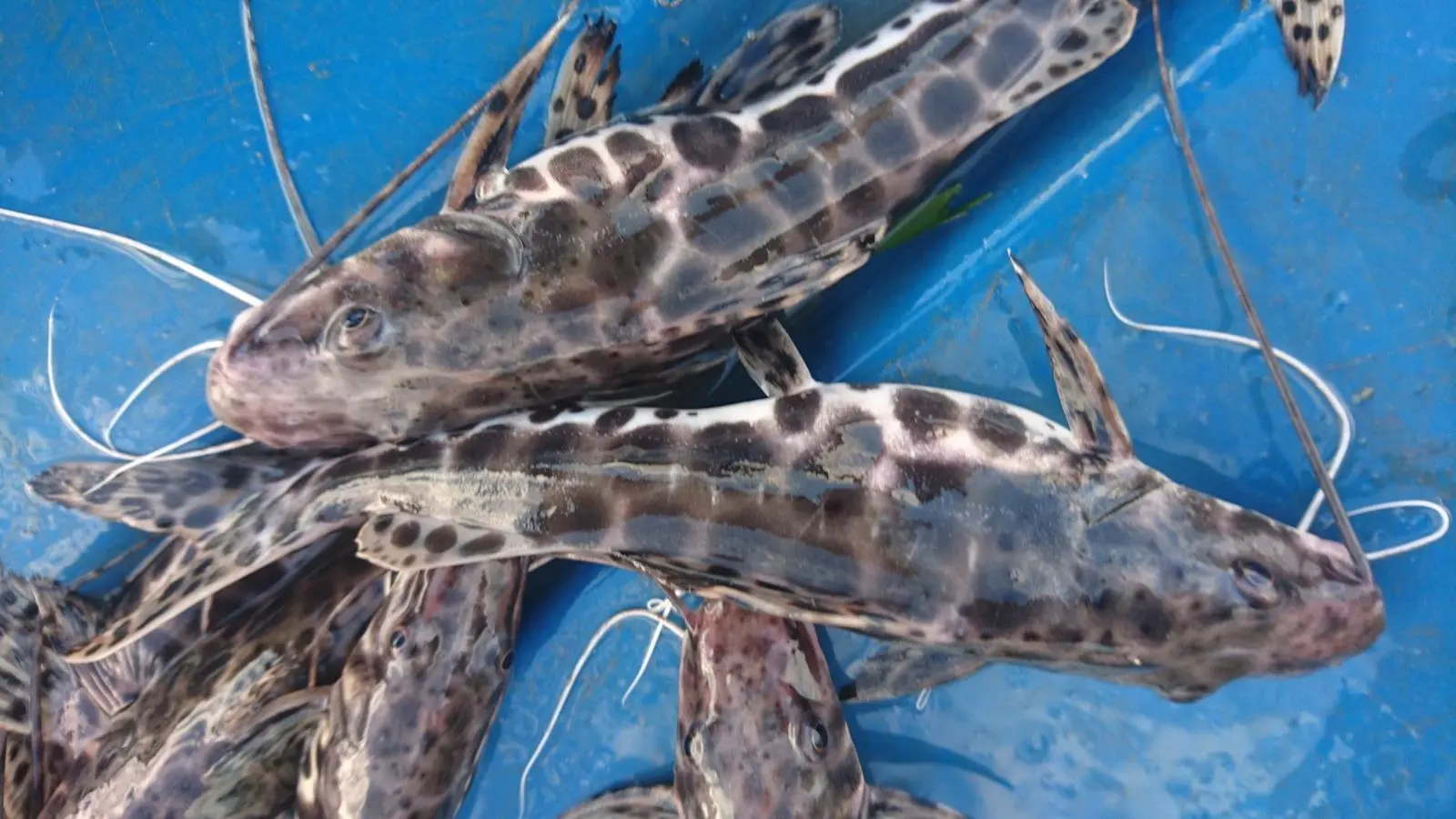
At this farm, Pintado fish were being raised in high-density ponds. The trial therefore involved placing 6,300 young fish into each of two 7,000 square-metre side by side ponds. One pond was treated with BCP54 before adding the fish and throughout the one-year treatment cycle. AQUA-FEED was added to the fish food, and an oxygen regulator was applied eight months after start-up to counteract low oxygen levels from the rainy season.
The control pond cycle was 330 days and the treated pond cycle was 400 days to allow more time for the oxygen booster to work. At the end of the period, the farmer found that the control pond showed a relatively normal yield of 10,500 kg, while the treated pond had a 42% higher yield than typical production levels, weighing in at 15,143 kg.
The size of fish in the treated pond was much more uniform than the control pond, where about one-fourth of the fish fell short of weight requirements and could not be included in the final production count. Another benefit in the treated pond was excellent odour control without the need to drain and replace contaminated water at the end of the cycle (an important factor when considering the high water demand of aquaculture). Better still, the fish stayed healthy without medication.
Consumers deserve more natural solutions
Aquaculture is a growing industry that needs to explore more natural solutions for healthy fish and shrimp production. Probiotics offer one pathway to promising results by supporting species health and water quality as an alternate route to traditional antibiotics, vaccines, and harsh chemicals. While these may be needed on occasion, the industry owes it to consumers (and itself) to explore the more natural solutions of probiotic treatment for the world’s aquatic food supply.
Julie Holmquist is a content writer at Cortec Corporation, a global leader in corrosion solutions for industries involving metal. Tonya Decterov is a product manager at Bionetix International, a supplier of probiotic solutions for aquaculture enhancement and soil and wastewater cleanup.