


EU urged to shift policies to safeguard fishing industry
Europe’s fishing industry needs urgent, coordinated action from policymakers to secure the fleet’s future, with a strong focus on the social dimension, to support a thriving and resilient industry that’s able to offer quality and safe jobs, according to Chair of the EU Social Dialogue Committee for Sea Fisheries Cor Blonk.
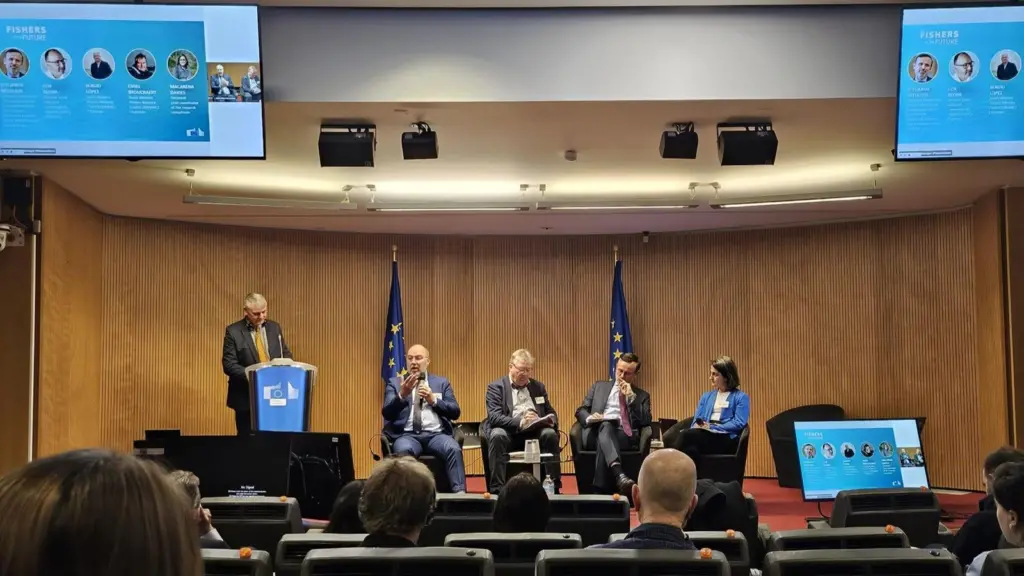
Speaking at the recent Fishers of the Future conference in Brussels, which closed out the European Commission’s Fishers of the Future Foresight Study, an EU-wide participatory programme launched in October 2023 to examine the future role of fishers in society up to 2050, Blonk highlighted the pressing challenges and opportunities facing the sector. He emphasised indispensable contributions of fishers and vessel owners in ensuring Europe’s food self-sufficiency and supporting coastal communities.
The conference was opened by new Commissioner for Fisheries and Oceans Kostas Kadis who acknowledged that fisheries are integral to the socio-economic fabric of coastal communities and the provision of healthy food to European citizens.
Kadis said that despite their significance, fishers face numerous challenges, including labour shortages, an ageing workforce and a gender gap. These issues, he said, demand open communication between policymakers and fishers, alongside policies that ensure competitiveness, resilience and sustainability.
To address these concerns, the Commissioner emphasised the need to focus on building a resilient, adaptable future for the fishing sector – one that’s grounded in a clear understanding of its past, present and future trends.
Meanwhile, Blonk, voicing the joint concerns of social partners, highlighted the fishing industry’s vulnerable position, with it facing a combination of economic, environmental and regulatory challenges.
Rising operational costs and the influx of cheap imports from non-sustainable sources are undermining the market, while overregulation and excessive bureaucracy are problems to be addressed if attractiveness of the sector for younger generations is to be increased, he said, adding that safety remains a critical issue, exacerbated by inconsistent training standards across EU member states, which further jeopardises the well-being of fishers.
“The future of fishers starts today,” Blonk said. “While the industry has made strides in environmental sustainability, such as reducing by 52% its GHG emissions, the focus must expand to include profitability and the welfare of fishers themselves. Sustainability is not only about the planet and profit but also about people.”
He added: “Fishers should be recognised as key actors in securing healthy and nutritious food. They perform an essential role that benefits us all, and their work deserves to be appreciated and valued for the vital contribution they make to our society.”
Despite these challenges, modernisation presents a path forward, and upgrading fleets with safer, more efficient and greener technologies can transform the industry, he said.
But Blonk noted that significant barriers persist such as restrictive EU regulations that hinder fleet renewal. For example, outdated capacity definitions prevent the utilisation of additional space needed to install new technologies or expand accommodation and comfort for diverse crews, further slowing progress.
“We need to act at multiple levels. From fishing capacity to social conditions, everything must align to create equal opportunities for our fishers in a competitive global market.”
Blonk continued: “Times are challenging, but we remain optimistic. What we need is a policy framework that facilitates fishers and fishing vessel owners to do what they do best: deliver healthy seafood to our tables. We cannot stop the future, but we can influence the future. Let’s do it together. In this regard, we welcome the new vision from the Commissioner and Commission officials on the social dimension of the Common Fisheries Policy, which offers hope for a more balanced and inclusive approach to fisheries policies.”
The Fishers of the Future Foresight Study was led by Tetra Tech and partners and a network of country experts covering 22 coastal member states and outermost regions. The study looked at changes that the profession, role and identity of fishers might face up to 2050. Amongst other things, it explored who fishers are, what drives them now and what may drive them in the future, while considering the evolution of existing challenges such as climate change, generational renewal, marine pollution, competition for access to maritime space, etc.